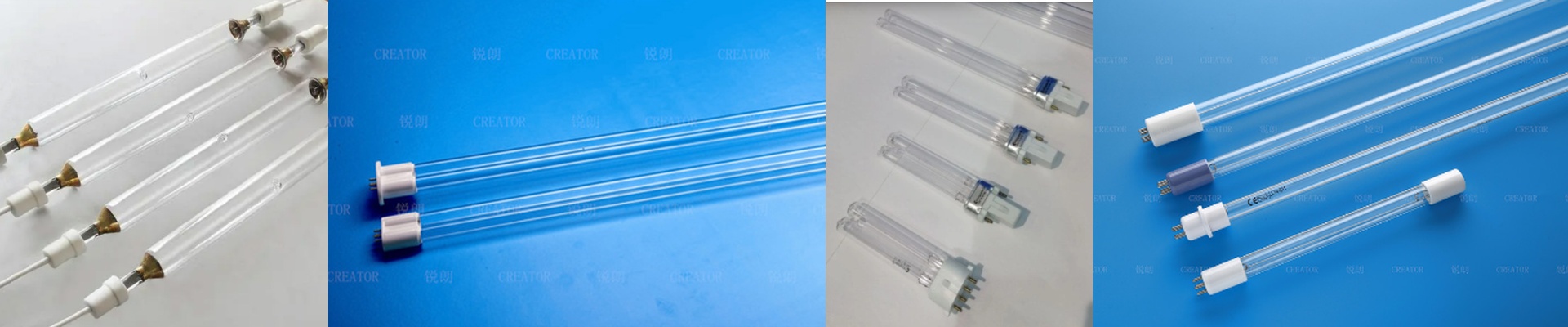
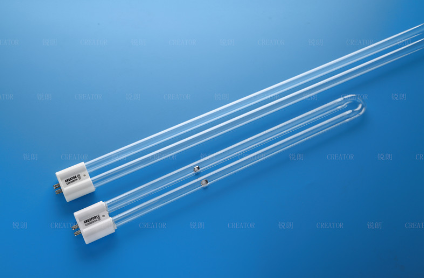
Let’s talk about the 120W/cm Mercury UV Lamp
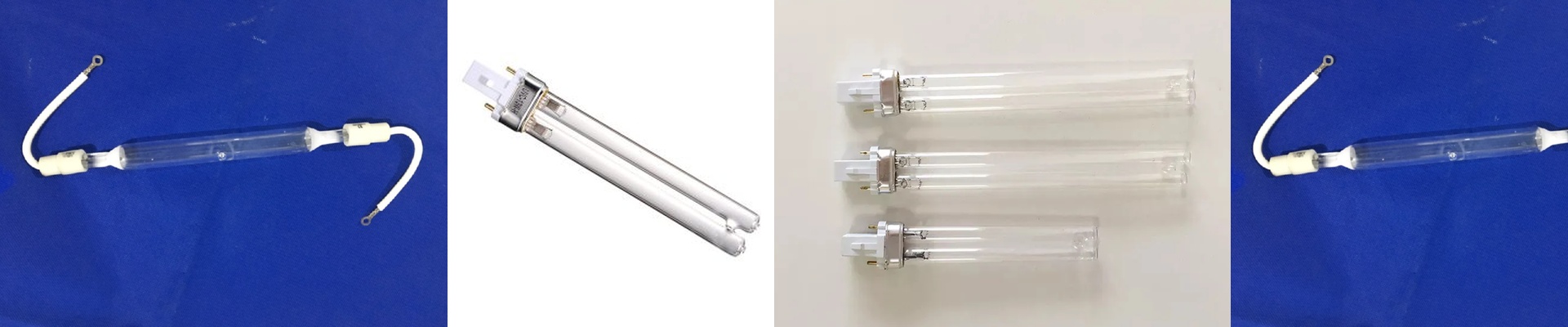
We build our mercury UV lamps to a strict 120W/cm power density. Why? Because in the real world of industrial curing, that’s the sweet spot. It’s a balancing act. If you push the wattage higher, you’re basically frying your materials. But if you drop too low, your line slows to a crawl and you lose money. 120W/cm keeps things moving without scorching the substrate. Getting the power right When we say 120W/cm, we mean you get a steady stream of energy from one end of the tube to the other. No dead spots. We use high-purity mercury vapor so the light hits exactly the right wavelengths to trigger your photoinitiators. That’s what makes the ink or coating actually cure all the way through, rather than just drying on the surface. One quick tip: make sure your ballast matches this wattage. If the voltage is off, the lamp either won’t light up or it’ll burn out way too fast. We’ve spent 15 years messing with electrode compositions to stop “end-loss”—that annoying failure point where cheap lamps usually give up the ghost. Dealing with the heat We use high-transmittance fused quartz. It’s great because it lets the UV rays fly right through instead of soaking into the glass. But here’s the catch: 120W/cm puts out a ton of infrared heat. You absolutely need a forced-air cooling system. If you don’t have a way to exhaust that heat, the pressure inside the tube spikes. In the worst-case scenario, the glass cracks. To make your life easier, we designed these to be drop-in replacements. The footprint and the pins match the big international brands exactly, so you aren’t rewiring your whole shop just to switch lamps. Built for the long haul These are meant for high-volume shops where downtime is a nightmare. We obsess over the seal between the electrodes and the quartz because even a tiny air leak kills the lamp instantly. We also focus on stability. You don’t want your curing process drifting every few days. Our lamps stay steady for the first 1,000 hours, so your operators can just plug them in, set the timer, and get back to work.