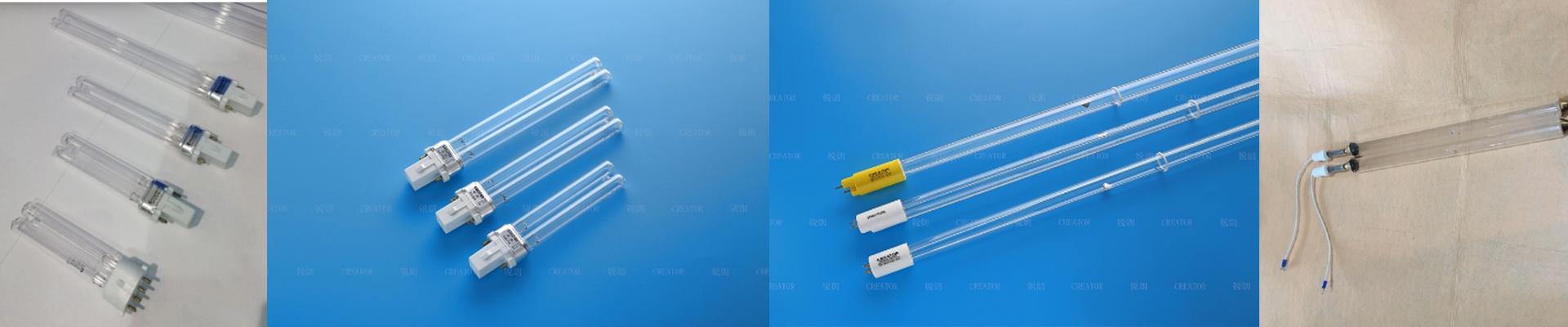
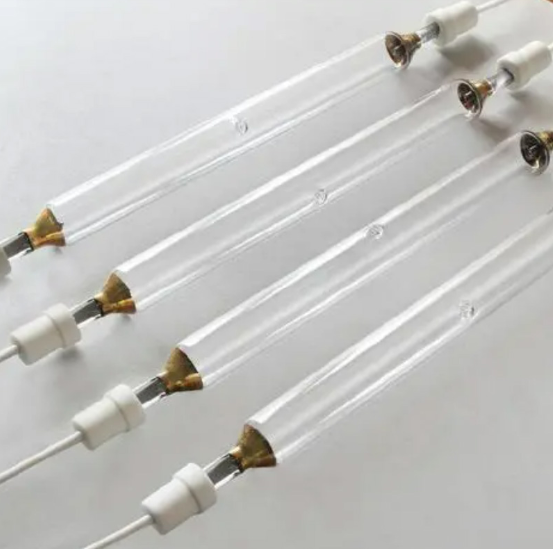
Let’s Talk About UV Energy in the Modern Factory
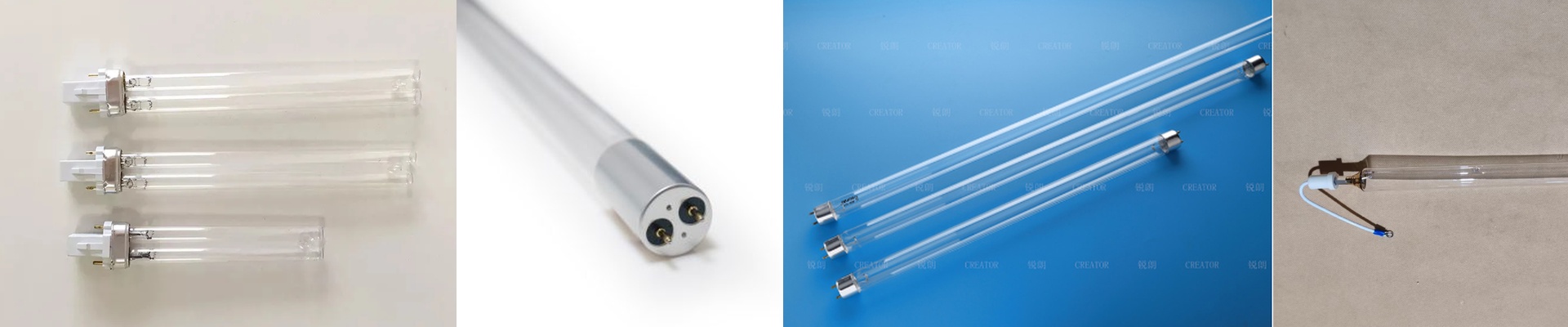
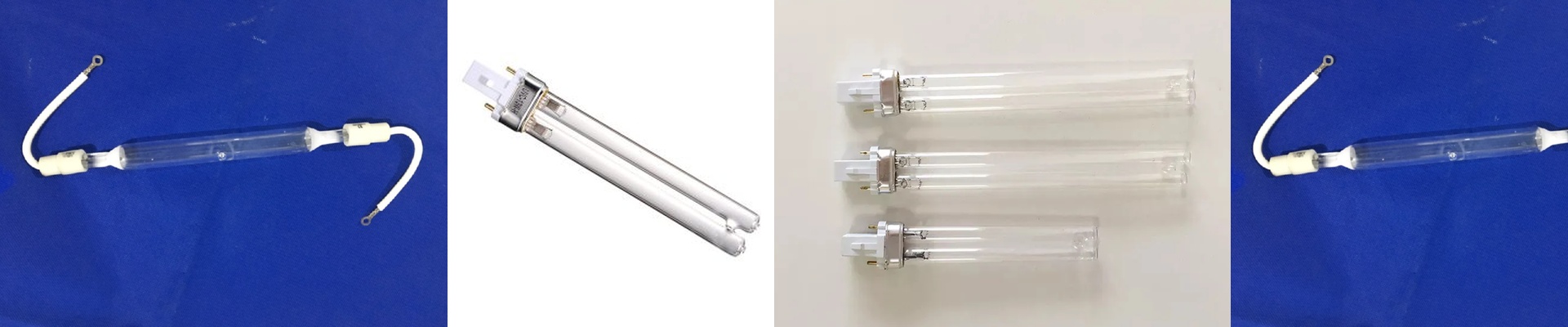
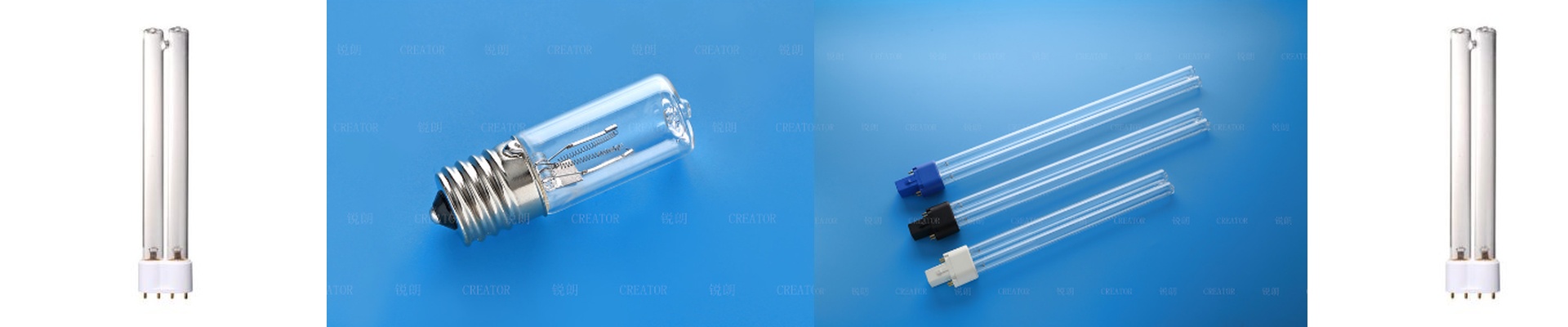
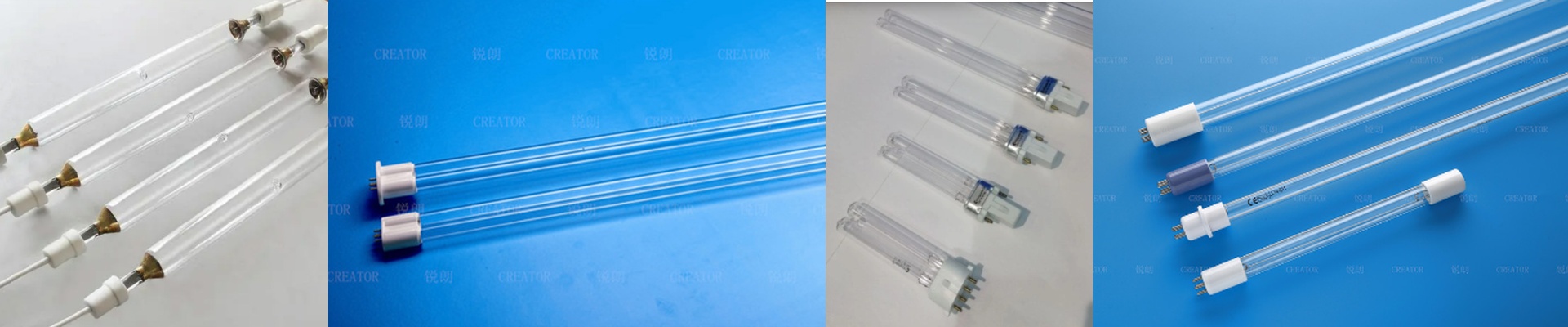
Most people see UV light and think of glue or maybe a quick sterilization cycle. But if you’re running an automated line, it’s more than that. Think of these bulbs as the actual muscles of your microbial control system. They aren’t just parts you swap out; they’re what’s doing the heavy lifting.
The Nitty-Gritty of UVC Output
If you want to actually kill the bugs, you have to hit that 253.7nm wavelength. That’s the sweet spot where DNA just gives up. Here is where a lot of engineers trip up: voltage stability. If your voltage dips even a little, your UVC output doesn’t just slide—it crashes. We keep our tolerances tight so that whether you have one bulb or a rack of a hundred, you’re getting the same hit of sterilization every single time.
The Truth About Quartz
Cheap glass is a deal-breaker because it blocks the UVC. That’s why we stick with high-transmittance fused quartz. There’s this thing called solarization—basically, the glass clouds over time and kills your output. It’s just physics. You’ll see the intensity dip after about 8,000 hours. You can’t stop it entirely, but using the right grade of quartz slows it down significantly.
The Heat Struggle
High-wattage arrays get hot. Really hot. It’s tempting to pack bulbs close together to save on floor space, but that’s a mistake. If you do, you’ll cook your ballasts. You’ve got to get your airflow right to keep the tube surfaces cool, otherwise, you’re just burning through filaments for no reason.
Getting It Running
We made these a drop-in replacement. It doesn’t matter if you’re wiring up a water plant or a clean-room conveyor; the footprint is the same. One piece of advice: stick to the rated current. I know it’s tempting to over-drive the lamps to get “extra” power, but all that does is fry the cathode and kill your lifespan. Just let them do their job.