Mercury UV Lamps for Label Printing: Getting the Trigger and Lamp to Play Nice
We build mercury UV lamps for label printing lines, and honestly? The biggest headache we see isn’t the tube itself. It’s when the trigger and the lamp don’t match up. So if your UV lamp won’t start, don’t just assume you need a new one. You probably just need the right electrical connection between the trigger, the ballast, and what the lamp needs to get going.
Why that trigger matters more than you think
Here’s the thing about mercury UV lamps—they’re high-pressure gas discharge devices. They simply won’t fire up on regular line voltage alone. The trigger is what gives that initial jolt—a high-voltage pulse, usually in the kilovolt range—to get the gas ionized and the arc started. Once the arc is running, the ballast steps in to keep the current in check. In label printing, that lamp needs to strike fast and hold a steady arc, even when the line cycles are quick. If the trigger doesn’t pack enough punch, the lamp keeps trying to start, then gives up. If the trigger timing is off with the ballast and the lamp’s voltage, you end up with constant restarts, flickering, and a lamp that burns out way too soon. We make sure our lamps work with triggers that deliver a clean, reliable pulse—so the arc starts on the first try and stays solid, even during long print runs.
The guts of it: what keeps the tube alive under pressure
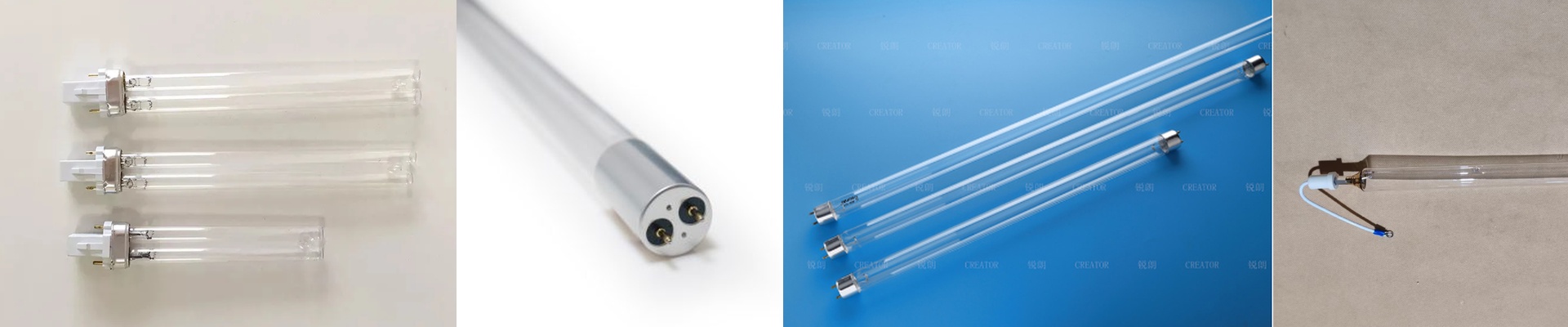
Label printing needs serious UV intensity in a tight space. We use quartz tubes because they let the UV through while handling the heat. Inside, the mercury charge is tuned so the output stays steady and the lamp strikes the same way every time. But where these lamps usually fail? It’s at the seals and the lead wires. That’s why we build in supports and seals that can handle constant heating and cooling without cracking. The connectors are chosen to take high heat and stay reliable, even when things are vibrating. There’s a trade-off, though. High-intensity mercury lamps throw off a lot of heat. The lamp delivers the power, but your machine has to pull that heat away from the ends and the reflector. If the cooling isn’t up to the job, the lamp runs hotter, the trigger has to work harder, and the lamp life plummets.
Keeping your press moving—without the stops
On a label press, uptime is everything. The right lamp-and-trigger combo means fewer startup hiccups, fewer stops to re-strike the lamp, and curing that stays consistent across different materials. We design the whole system as a matched set—lamp, ballast, and trigger—so you can plug it in and get to work. The payoff? Fewer failed starts, a steady arc, and lamp life you can actually plan around. Just remember this: the trigger isn’t an afterthought—it’s part of the system. Match the trigger to the lamp, and make sure your cooling can handle the heat. Do that, and your lamp will run the way it should—consistent, reliable, and ready for whatever comes next.