

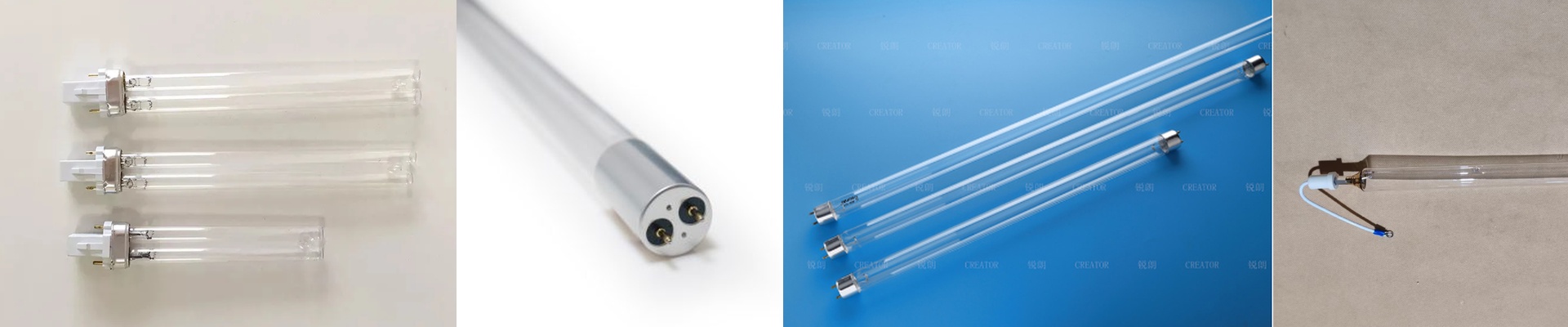


The Real Deal on Industrial Mercury UV Lamps
When you’re running a high-speed printing press, you don’t have time to wait around. The ink needs to cureright now. If your light output dips or the spectrum drifts even a little, you’re looking at wet ink, ruined materials, and a lot of wasted money. That’s why we obsess over how we build these lamps.
How the Magic Happens
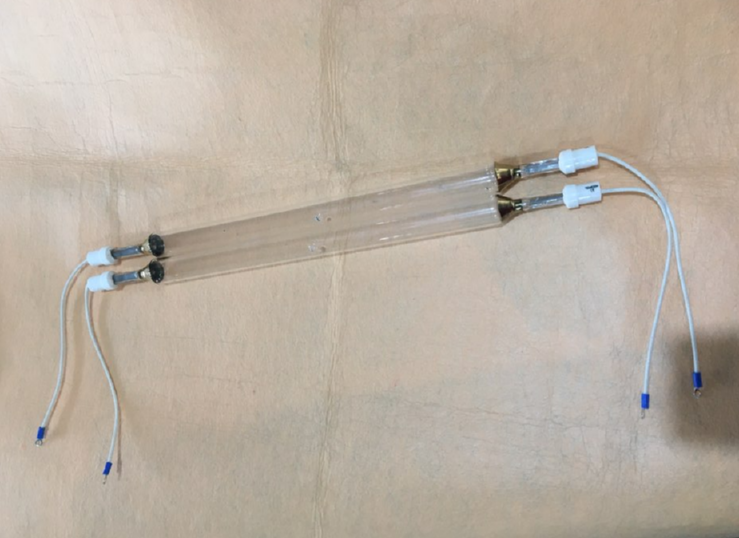
At the heart of our lamps is a high-pressure mercury arc. We tune these to pump out intense UV radiation—mostly in the UVC and UVB ranges. This is the energy that actually hits the photoinitiators in your ink, snapping those chemical bonds and turning a liquid into a rock-hard film in a split second. But you can’t just put this in a regular glass tube. It would melt or block the UV light entirely. Instead, we use high-purity fused quartz. It’s tough, it handles the heat, and it stays stable so the tube doesn’t bow or leak when things get hot.
Dealing with the Heat
Here’s the thing: high-wattage UV lamps aren’t just about light. They put out a massive amount of infrared heat. If you’ve got a dense array of lamps, your cooling system—whether you’re using air or water jackets—has to be up to the task. If the heat has nowhere to go, the quartz envelope takes the hit, and your lamp life will plummet. It’s that simple. We also pay a lot of attention to the connectors. We make sure they’re a tight, snug fit. Why? Because a loose connection leads to arcing, which creates carbon buildup and burns out your lamp way faster than it should.
Getting the Balance Right
Our lamps are designed to be easy drop-in replacements for most standard systems. They just work. But a word of caution: more power isn’t always better. If you crank the wattage too high, you risk scorching your materials or shrinking heat-sensitive plastics. It’s a bit of a balancing act. You have to play with your conveyor speed and lamp power until you find that sweet spot—where the cure is deep and permanent, but your product doesn’t warp.