Introduction
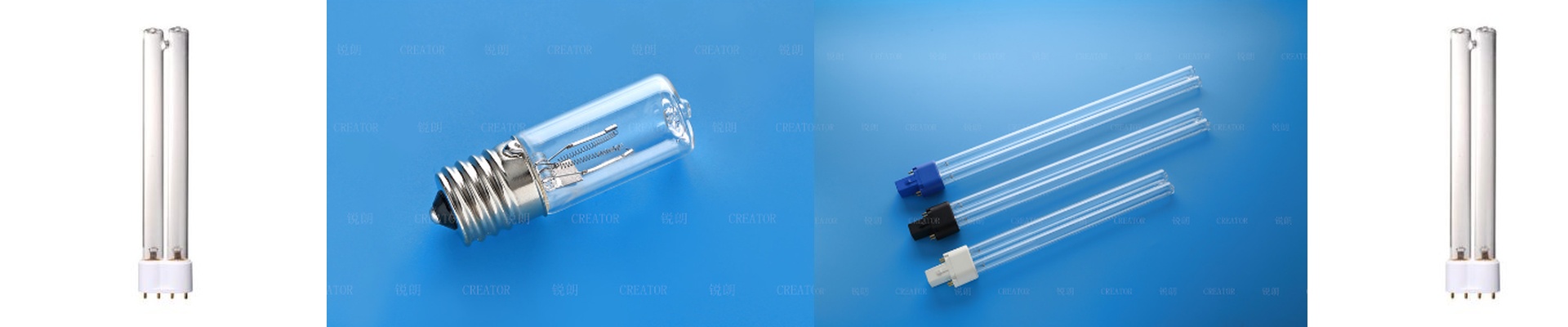
Picture this: we’ve spent years walking through printing plants—about 3,000 of them. And one truth kept hitting us over and over again: the press line never slows down to wait for the curing. So we built our industrial mercury UV bulb to respect that reality. You need a lamp that keeps pace with your output, handles constant start-stop cycles, and slips right into your existing fixtures without forcing a full rewire.
Power, Voltage, and Size: The Real-World Details
Here’s the thing—we designed this lamp to deliver steady UV power, even when the line is running hard. That means matching the wattage to your speed and your cure window, while making sure the voltage plays nicely with the plant’s power setup. Length matters too. We size it to match the irradiation zone exactly. Too short? The ink won’t set. Too long? You’re wasting space and fighting extra heat. We chose a 400V high-voltage setup because it drops the current for the same power. That means smaller wires and less stress on the socket contacts. But it also means your ballast and cooling have to be up to the job. This lamp runs hot, and that heat needs a solid place to go.
The Materials and the “Why” Behind the Design
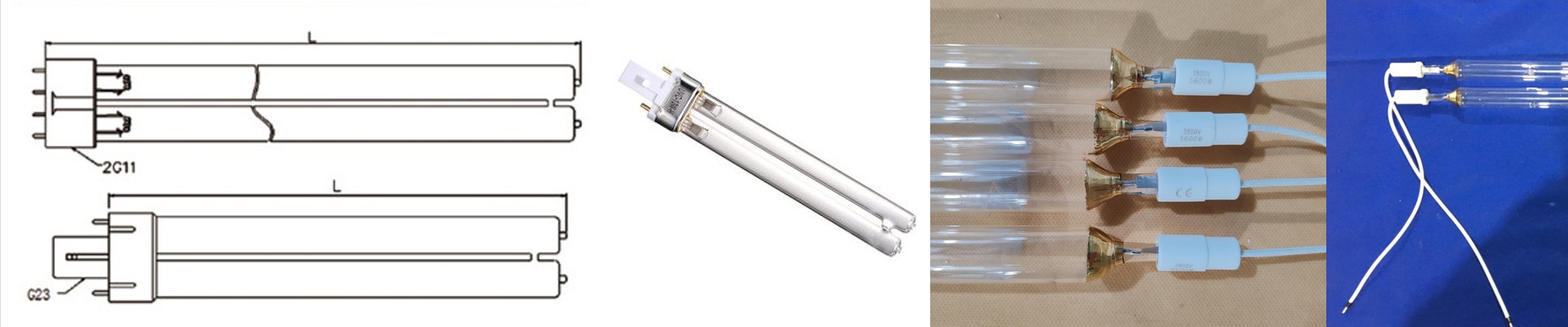
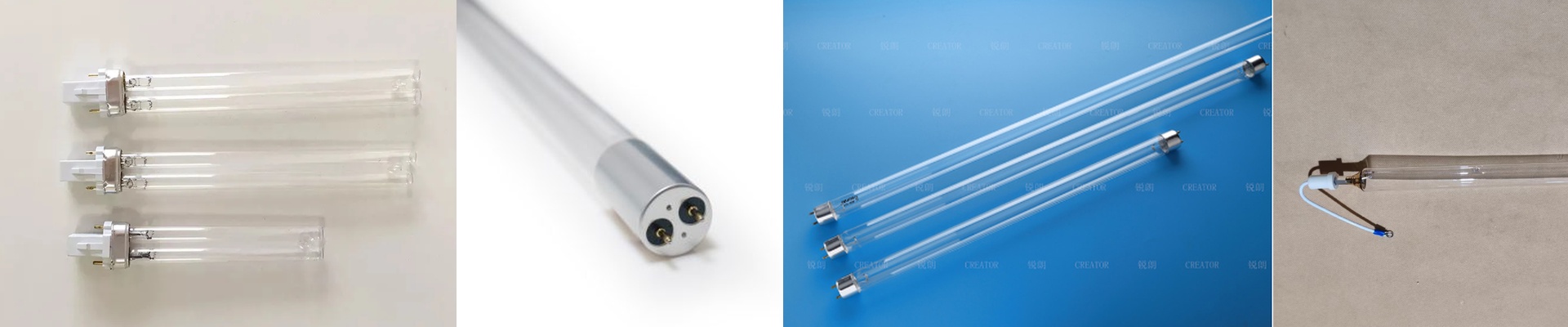
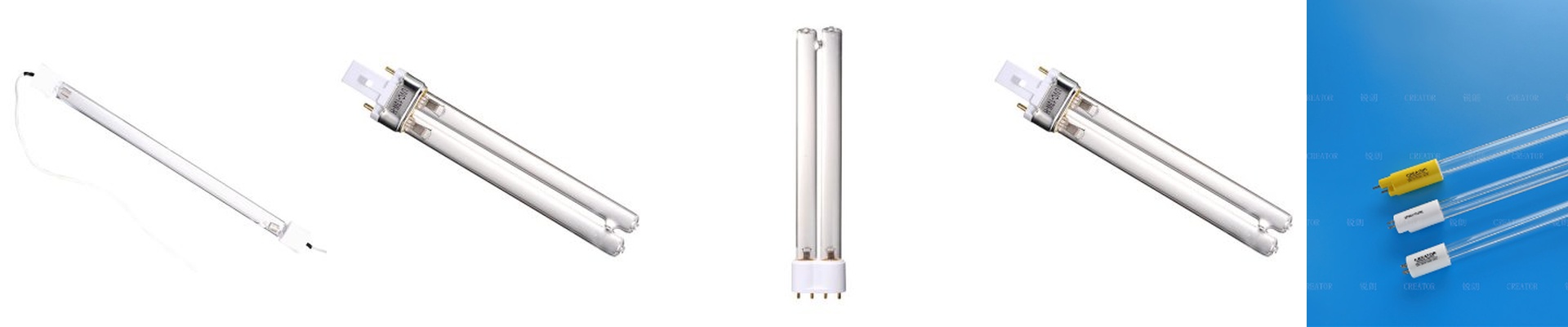
Inside, you’ve got a quartz envelope. It’s there because it transmits UV well and can handle sudden temperature swings without cracking. We also added a specialized coating to shape the output spectrum and shield the arc tube—protecting it from filament fallout and the harsh, humid air of a busy shop floor. And that R7s connector? Not a random pick. It locks the lamp in, handles high current, and makes replacement quick—no tools, no fiddling. In the field, that translated into fewer stoppages and way less downtime spent fussing with alignment.
What It Feels Like on the Line
On modern presses, curing is often the bottleneck—especially on high-speed coaters and multi-color runs. Our mercury UV bulb is built to give you even, repeatable intensity across the whole width, so you get a consistent cure without chasing hot spots. It’s a drop-in replacement that works with standard fixtures, but there’s a trade-off: the higher power density means you need proper cooling and a ballast that matches the ignition and operating needs. When everything is balanced right, you notice it. Fewer pinholes. Better adhesion. Less scrap from passes that didn’t cure through.
Built from the Shop Floor Up
The design didn’t start in a lab. It started with real plant data—how machines are laid out, how maintenance crews work, and what the operating environment actually throws at you. Then we made it consistent across regions, so the same engineering intent holds up no matter where the line is running. The result is a lamp that’s built for the printing line first—and the spec sheet second.