Getting Your UV Curing Right (Without the Headache)
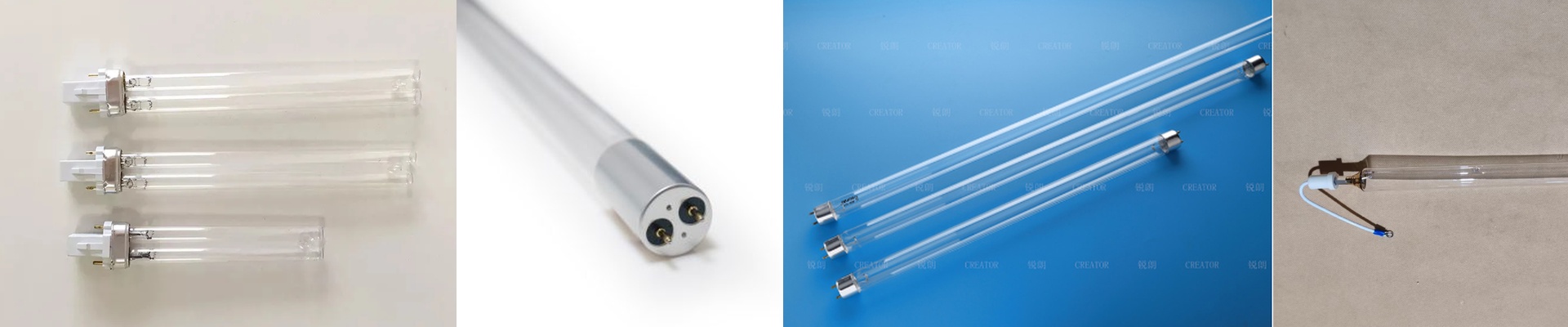
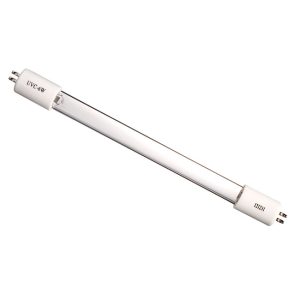
Here is the truth about UV curing lamps: they aren’t one-size-fits-all. When we build custom tubes, we aren’t just guessing. We look at the exact spectral output and irradiance your specific resins need to actually harden. If the wavelength is off by just a few nanometers? You’re in trouble. You’ll end up with a tacky, sticky surface and a whole batch of product headed for the scrap bin. Speed vs. Power It all comes down to a balancing act between wattage and time. We dial in the voltage and length to hit that sweet spot of energy density. The upside of higher wattage is simple: you can crank up your conveyor speed and still get a deep, solid cure. But there’s a catch. High-output lamps get hot. Really hot. If your cooling isn’t up to the task, your tubes will overheat and burn out way before they should. The Glass Matters We use high-purity fused quartz because it actually lets the UV light through. Cheap glass is basically a wall that blocks the shortwave radiation you’re paying for. Depending on what you’re making, we can add coatings to filter out the “wrong” light or focus the beam. This is a lifesaver if you’re working with heat-sensitive plastics that tend to warp. Plus, we use standard industrial connectors. You can just pop these into your existing rigs—no need to spend your weekend rewiring the whole cabinet. Real Results, Not Paper Specs We don’t care about “theoretical” numbers on a datasheet. We care about what happens on your floor. We test our builds against the big, expensive global brands using cross-hatch adhesion tests and hardness scales. If our lamp doesn’t perform as well as a premium name-brand at the same price point, we’ll give you your money back. Simple as that. We look at the actual cure rate on your line, because that’s the only metric that actually matters.