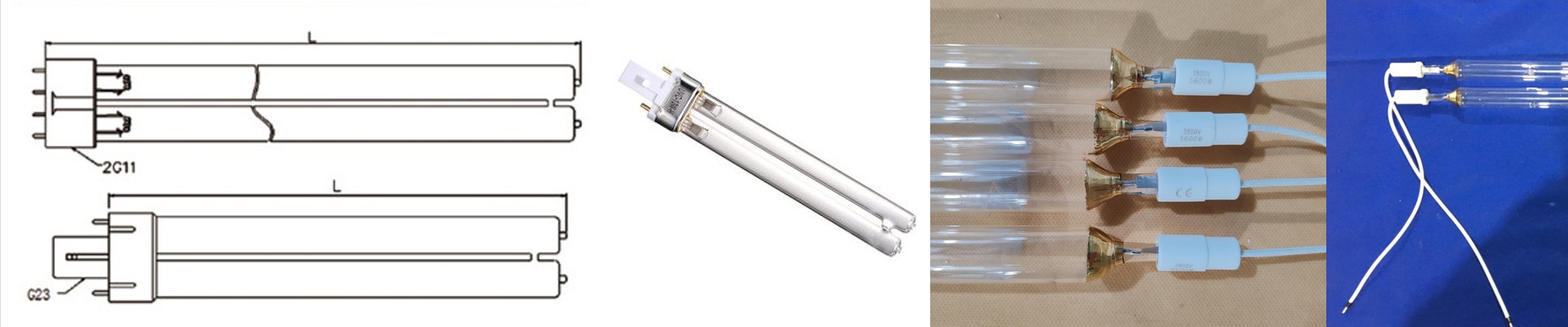
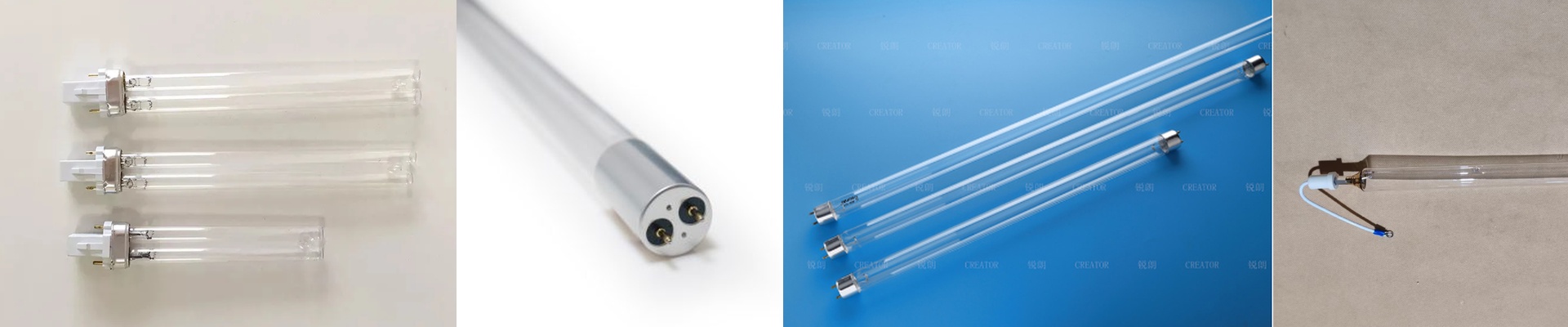
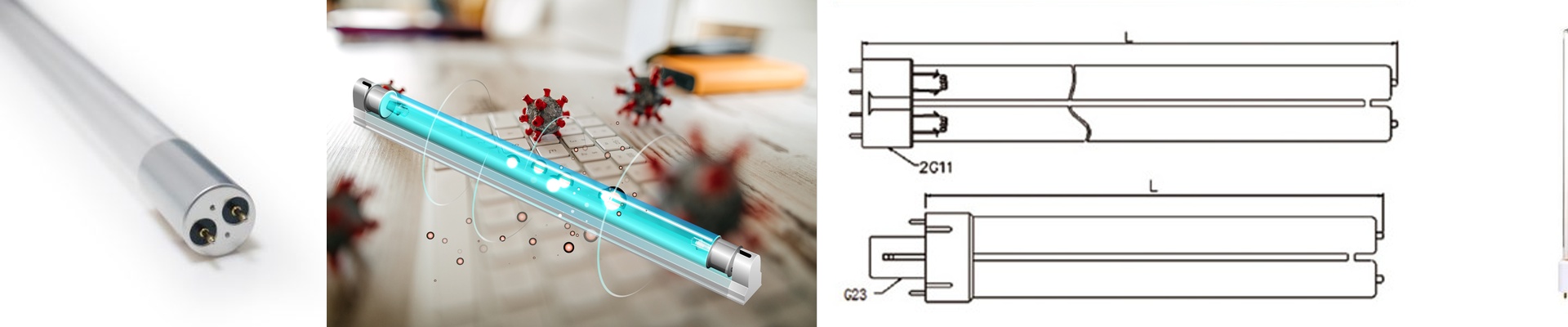
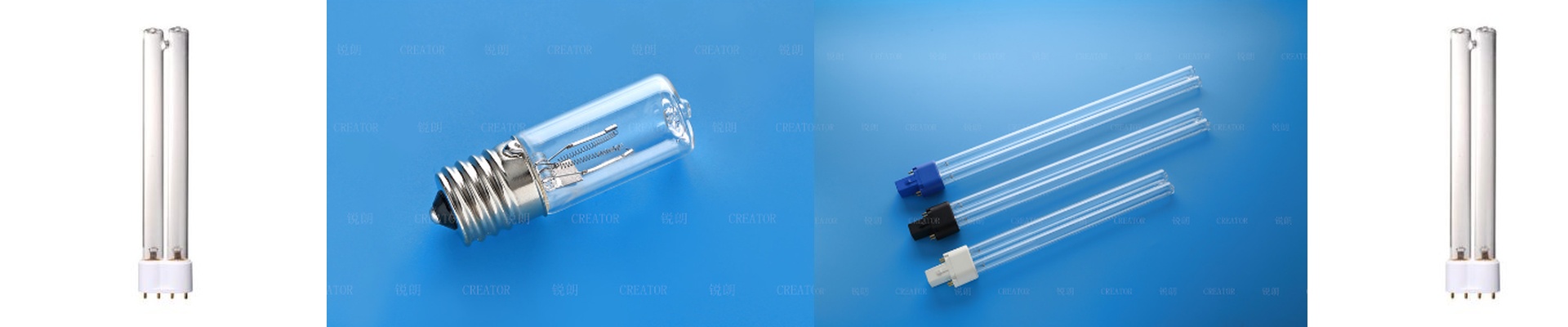
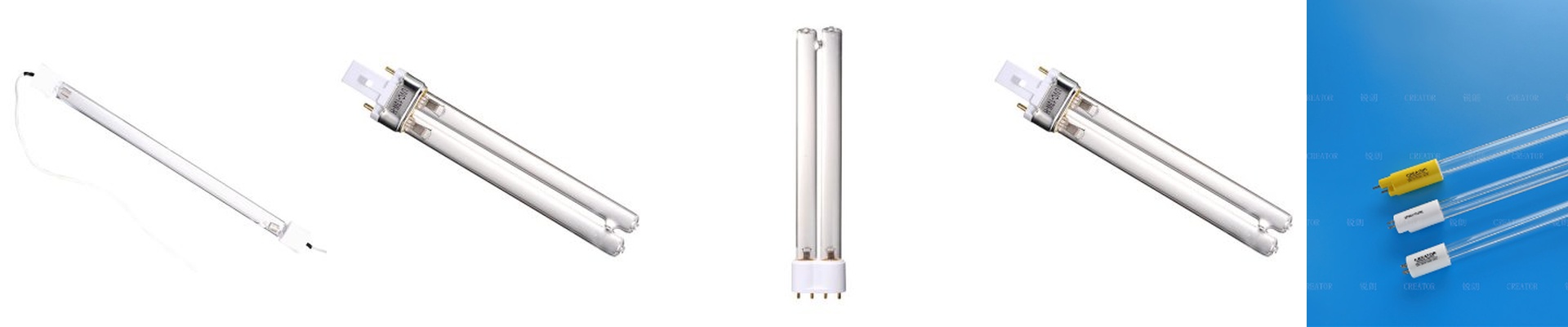
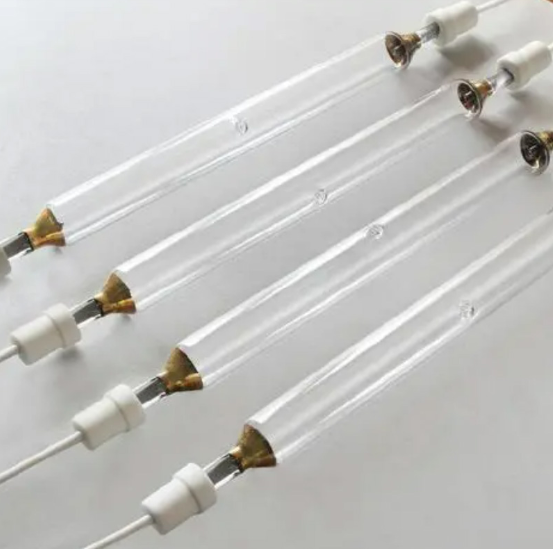
Walk into a dental clinic mid-morning and you see the rhythm: the chair turns every 20 minutes, instruments come back from sterilization still warm, and the next patient can’t be seated until that cycle finishes. If the disinfection step misses—irradiance too low, exposure too short, lamp output drifting—you’re sitting on a hidden failure mode: bioburden carries over on instruments and surfaces, and cross-infection becomes a real possibility. In a dental sterilization cabinet, disinfection isn’t a vague “clean.” It’s a documented reduction of bioburden on tools and the chamber interior. Specifying a custom UV germicidal lamp for a disinfection box means specifying a radiation field, a delivered dose, and a process window you can repeat shift after shift.
What matters technically: 254 nm deep UVC, measured as dose
Deep UVC germicidal lamps lean on the 254 nm mercury emission line for a reason. That wavelength isn’t a marketing choice; DNA and RNA absorb strongly here, and direct photon damage disrupts microbial replication. The language that matters is dose: irradiance (mW/cm²) times exposure time (seconds) gives you dose (mJ/cm²). In a dental disinfection chamber, the lamp has to deliver enough irradiance to hit the required dose on the actual target surface—even when lumen crevices and stacked trays throw shadows. We design these lamps for consistent 254 nm output and stable performance over life. Output isn’t assumed; it’s set by lamp design, fill pressure, and reflector geometry. A well-executed reflector keeps 254 nm photons on the work plane instead of wasting them on chamber walls. The payoff is more delivered dose at the same electrical input—and shorter cycles when the chamber geometry allows. Customization isn’t cosmetic. It means matching the box: lamp length, arc length, end fittings, and electrical interface. It also means picking the right lamp type for the duty cycle. Dental disinfection boxes run frequent short cycles, so the lamp has to start reliably and hold output across thousands of cycles.
Why it fits here: dental cabinet disinfection, quantified
Cross-infection risk in a dental clinic isn’t just about visible blood and saliva. It’s microscopic transfer: in instrument crevices, handpiece housings, tray corners, and the chamber walls themselves. UV disinfection inside the cabinet hits those surfaces directly—no heat-up wait, no chemical residue left behind. The real advantage is speed and repeatability. UV disinfection cycles can be done in minutes, not hours, and the delivered dose is traceable to lamp output and exposure time. In a high-throughput clinic, cycle time is measurable cost. Every minute saved per tray is another patient seated without cutting corners on safety. A custom deep UVC lamp lets you match the irradiance profile to the cabinet shape. Tall, narrow cabinet? You need a lamp that evenly illuminates vertical surfaces. Trays blocking the center? The lamp position has to be chosen to reduce shadowing. This isn’t “drop a lamp in and call it done.” It’s positioning the source to create a repeatable radiation field. This is where the UV mindset—dose, irradiance, and coverage—beats guesswork. Set exposure time based on the minimum required dose, not a generic timer. Confirm coverage by mapping irradiance at key points in the chamber. Then you get a process you can audit: lamp hours, output checks, and cycle logs.
What you need to watch: installation, compatibility, and real-world limits
Deep UVC germicidal lamps are straightforward to integrate, but they’re not plug-and-play in the casual sense. They demand respect for electrical safety, optical hazard, and chamber fit. Electrical compatibility has to be checked at the cabinet level. Match voltage, current, and connector type. If the cabinet’s ballast or driver is designed for a different lamp length, the lamp can start unreliably or run at the wrong power. We supply lamps matched to the specified driver and chamber footprint so the system stays inside its rated parameters. UVC is effective because it’s energetic—and that means it has to be contained. The disinfection chamber must be engineered to prevent UVC leakage during operation. Interlocks and shielding aren’t optional extras; they’re part of the safety envelope. Temperature matters. Some lamp types hit their best output in a specific ambient range, and a small enclosed cabinet can trap heat. The cabinet designer has to provide ventilation and thermal management so the lamp runs within its rated envelope. If the lamp runs too hot or too cold, output drifts, and the dose calculation stops being reliable. Keep the quartz sleeve and chamber interior clean. UVC only works where the lamp “sees” the surface. Oils, residues, and scale block transmission and create shadows. A simple maintenance routine—wipe-down, inspection, and output verification—prevents the silent drift that makes a cycle look complete while delivering sub-lethal dose. Also, confirm ozone-free requirements. Ozone-free lamps use a specific coating to suppress the 185 nm emission. In a sealed cabinet with limited ventilation, ozone-free isn’t a preference; it’s a health requirement. If you’re integrating a deep UVC germicidal lamp into a dental disinfection cabinet, specify the chamber geometry, the required dose, and the cycle time. We match the lamp—length, power, connector, and coating—to the cabinet so the system delivers the same measured dose, cycle after cycle. In a dental clinic, that repeatability isn’t convenience. It’s the line between a controlled process and an avoidable risk.