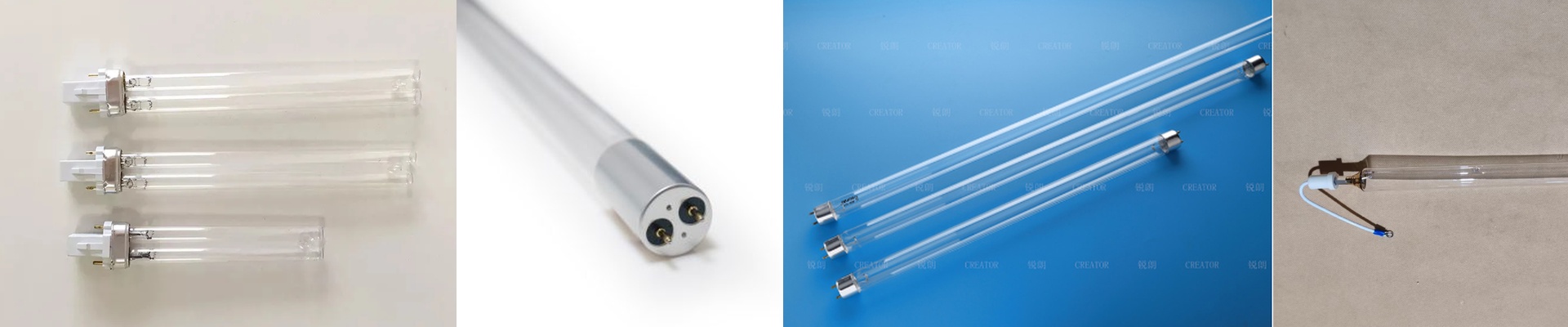
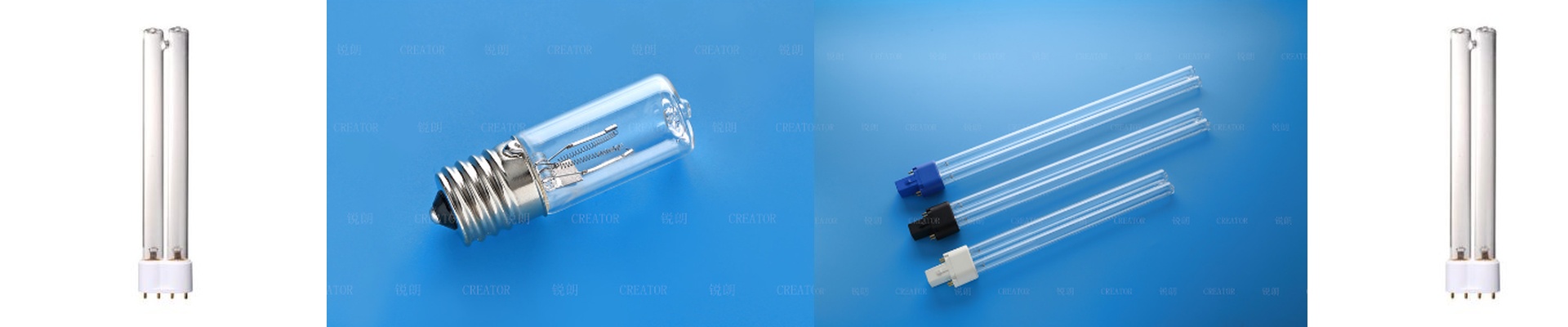
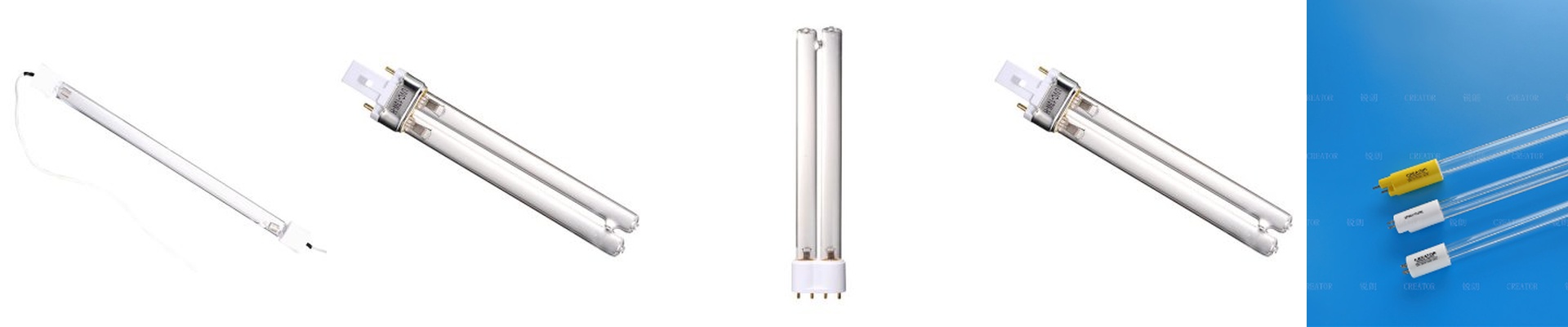
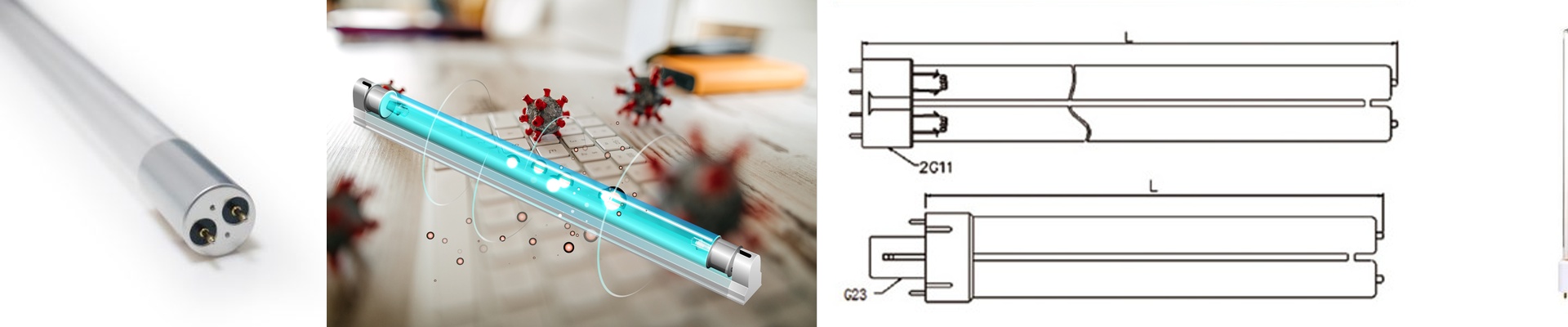
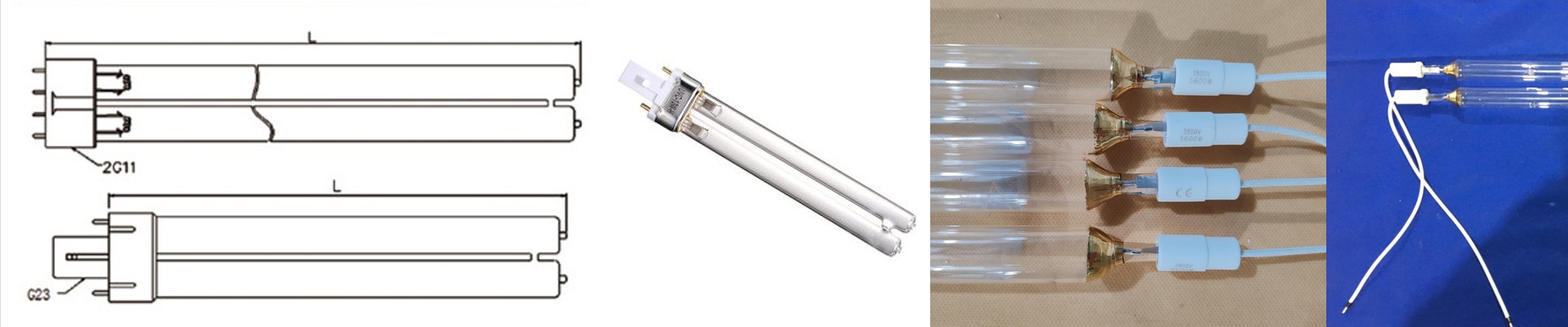
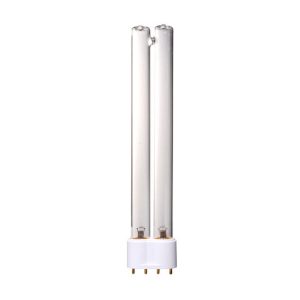
On a press, downtime doesn’t just cost minutes—it costs money. When a UV lamp goes down, you don’t just lose time. You lose spectral output, peak irradiance, and the consistent energy density the photoinitiators need to cross-link properly. The usual drill—pop the hood, wrestle with the quartz sleeve, realign the reflector, re-check focus—turns a simple lamp swap into a 20-minute production stop. We built the quartz glass shield and lamp module around a different reality: get the lamp changed in two minutes, without giving up cure performance.
What actually matters
The quartz glass shield isn’t just a protective cover. It’s the first optical element in the curing stack, and it directly shapes the UV dose that lands on the substrate. We use high-purity quartz with strong transmission across the mercury vapor lines—254 nm, 313 nm, 365 nm—plus the visible tail that helps activate photoinitiators. The sleeve geometry is matched to the reflector cavity so the beam profile stays stable at the substrate plane. That matters because photoinitiator absorption is narrow; shift the spectral distribution, and you shift cure speed, adhesion, and surface cure. The module adds a quick-connect interface—electrical contacts and mechanical latching in one motion. No tools. No reflector realignment. The lamp, quartz shield, and reflector stay pre-aligned as a single assembly. When you swap, the optical axis stays intact, so peak irradiance and dose uniformity stay within spec. Here’s what you can count on:
- Spectral output stays stable across lamp life, so photoinitiator activation doesn’t drift.
- The quartz shield holds consistent transmission, so the delivered energy density at the web or substrate doesn’t drop off unexpectedly.
- The fast-swap interface repeats positioning tolerance, so you avoid the variability that sneaks in after manual reassembly.
Why this works on the floor
The situation is simple to describe and expensive to mess up: when the lamp dies, you need the line back up—fast. In a modular UV lamp system, the quartz glass shield is the serviceable boundary between the lamp and the curing zone. If the lamp fails—arc instability, end-of-life, or a catastrophic event—you unlatch the module, disconnect, and drop in the replacement. Two minutes. The press doesn’t cool down. The ink doesn’t set. The curing window stays intact. UV curing is dose-driven. Photoinitiators need a minimum energy density to trigger cross-linking. No lamp, no dose. A lamp that underperforms gives you partial cure: tack, poor adhesion, or uncured monomers that migrate into downstream processes. The modular approach also cuts down variability. Every time you reinstall a lamp and manually reposition a reflector, you introduce alignment error. That changes spot size, intensity profile, and energy density across the substrate. Pre-aligning the quartz shield and reflector inside the module keeps the optical train repeatable, shift after shift. The payoff is operational: fewer unplanned stops, fewer scrapped sheets, and fewer micro-adjustments after a lamp change.
What you need to keep straight
The swap is fast, but it’s not hands-off. Match the module to the machine. Confirm the electrical interface—voltage, current, and polarity—matches the lamp driver. Make sure the mechanical footprint clears the reflector cavity and the substrate path without interference. Some lines run ozone-free configurations; if yours does, you must use the ozone-free quartz sleeve and corresponding lamp envelope to keep the 254 nm line suppressed. Treat the quartz carefully. Wipe it with a lint-free cloth dampened with isopropyl alcohol. Don’t touch the emitting surface. A fingerprint baked under UV becomes a localized absorber, which can crack the quartz and throw off the beam profile. And plan lamp life as scheduled maintenance. Track operating hours, on/off cycles, and energy density readings at the substrate. Replace the module before output drops below the dose required for cross-linking. That proactive swap keeps the line running at speed and cure quality stable. If you run UV offset, flexo, or screen with high-pressure mercury lamps, the quartz glass shield is where reliability meets uptime. When failure hits, two minutes is the difference between a hiccup and a shutdown.