Stop Selling UV Lamps Like They’re Cheap Commodities
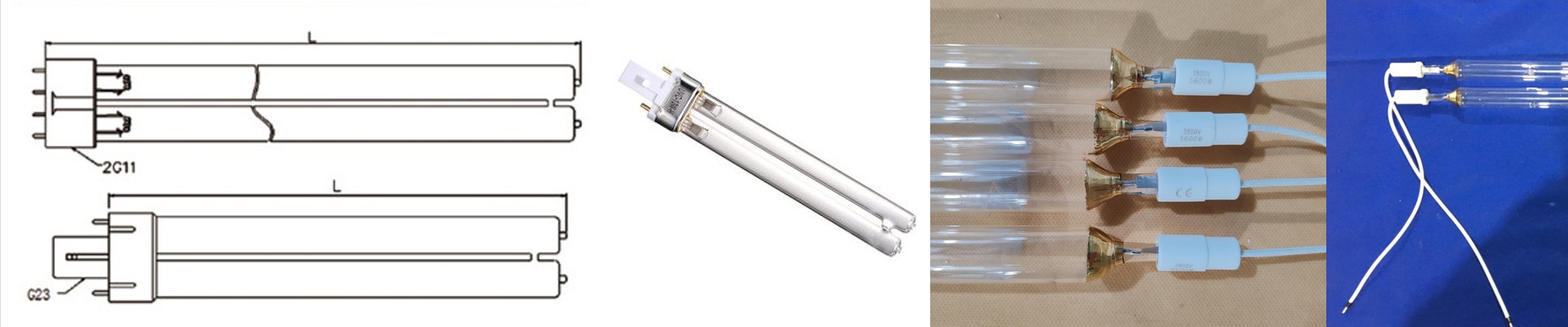
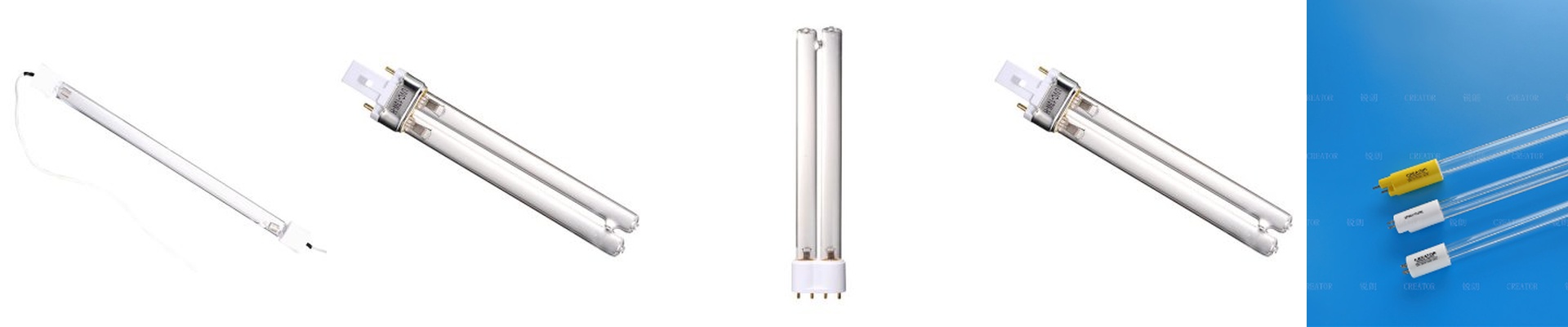
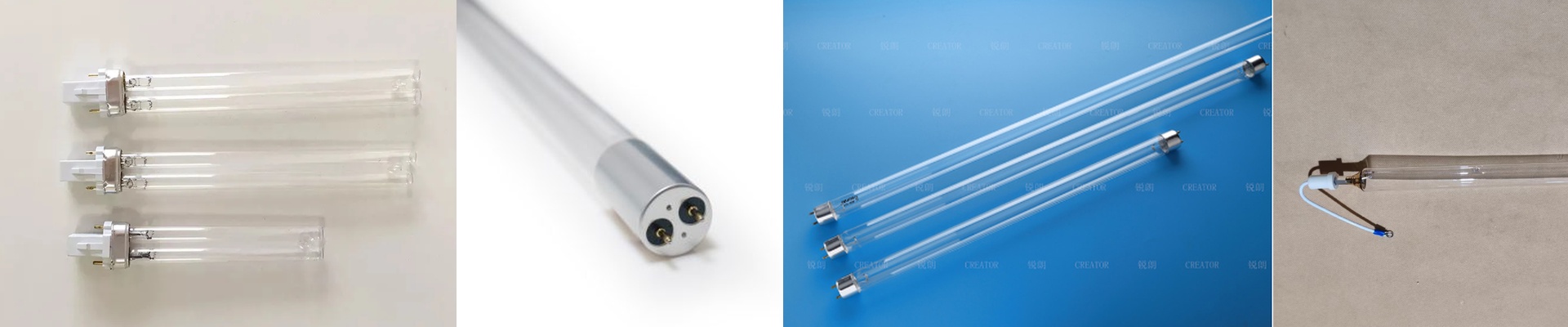
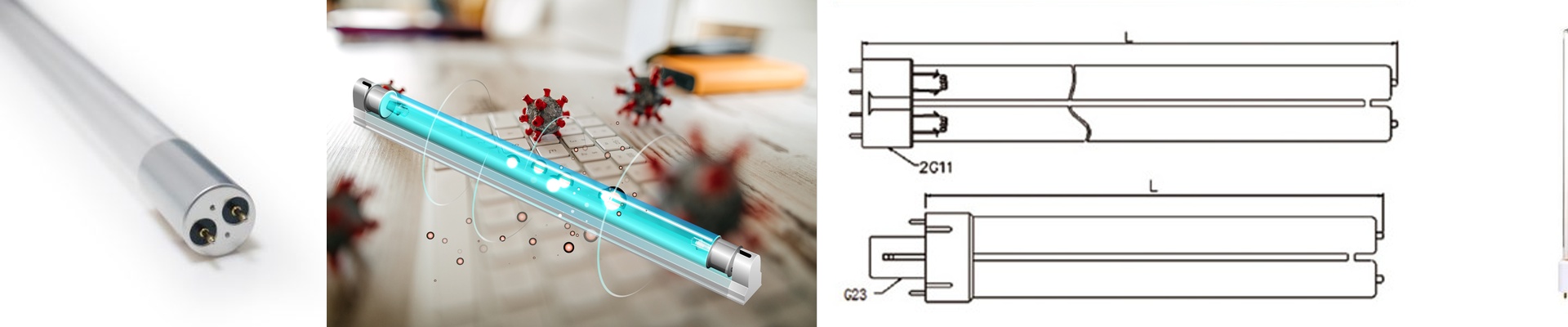
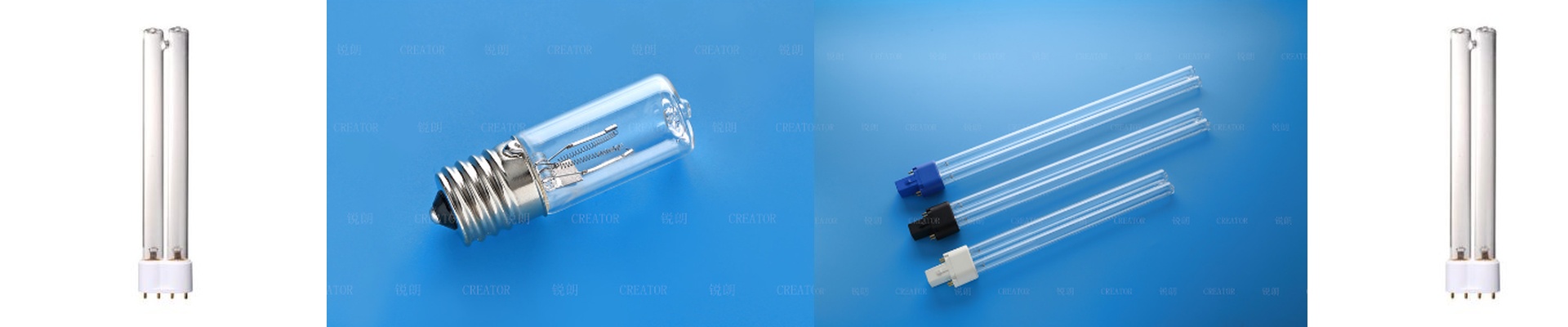
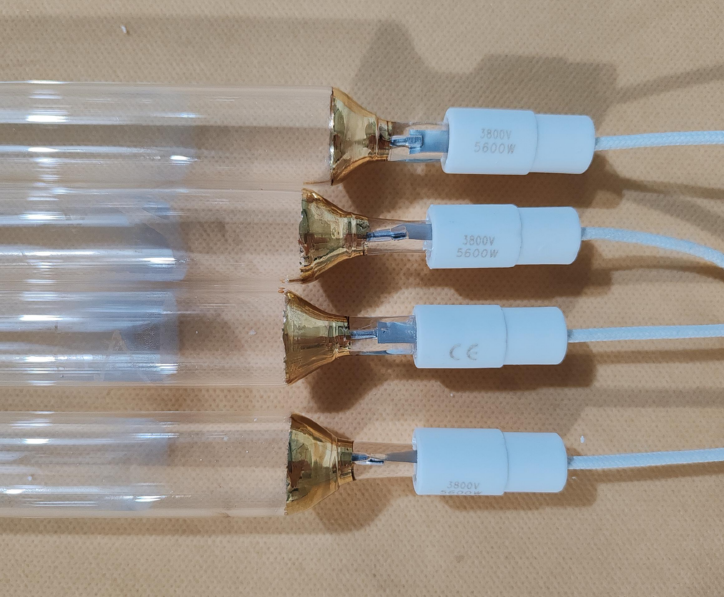
Most wholesale buyers treat UV lamps like they’re buying screws or bolts—just another part number. But if you’re trying to actually build a brand in industrial automation, that approach will kill you. You can’t just sell a “lamp.” You have to sell a solution that actually works with the specific inks and resins your customers are using. That’s where we come in. We give you the OEM framework to set the rules and define exactly how your hardware performs. Getting the output right Here’s the thing: UV curing isn’t some one-size-fits-all deal. If you’re just drying a surface, you need one thing. If you’re curing deep into a material, you need something entirely different. We tweak the wavelength and intensity to match that need. You pick the wattage and voltage so it fits right into your customer’s power supply. Now, you could just crank up the wattage to make things cure faster, but that puts a massive strain on the reflector. We help you find that sweet spot between lamp length and power density so your bulbs don’t just burn out and leave your customers frustrated. The nitty-gritty of the hardware We use high-purity quartz glass because it lets the most light through. Simple as that. But let’s talk about where things usually go wrong: the connectors. In a high-speed conveyor setup, vibration is the enemy. If a connector is loose, the whole line stops. We offer different footprints to make sure the fit is rock-solid. And if your customers are working in a messy or harsh environment? We can add specific coatings to the glass. It keeps the grime off and the light flowing. The heat struggle There’s always a trade-off. High intensity means a lot of heat. If you push for maximum power to shave a few seconds off a production cycle, your cooling system has to be able to keep up. If it doesn’t, housings warp and substrates overheat. It’s a nightmare. We’ll sit down with you and crunch the thermal load numbers so that doesn’t happen. Your brand, our heavy lifting We handle the boring stuff—the manufacturing and the certifications. You put your logo on the housing, write the technical data sheet, and own the relationship. It lets you offer a perfect drop-in replacement for existing industrial lines, but you’re the one in control of the quality and the standards.