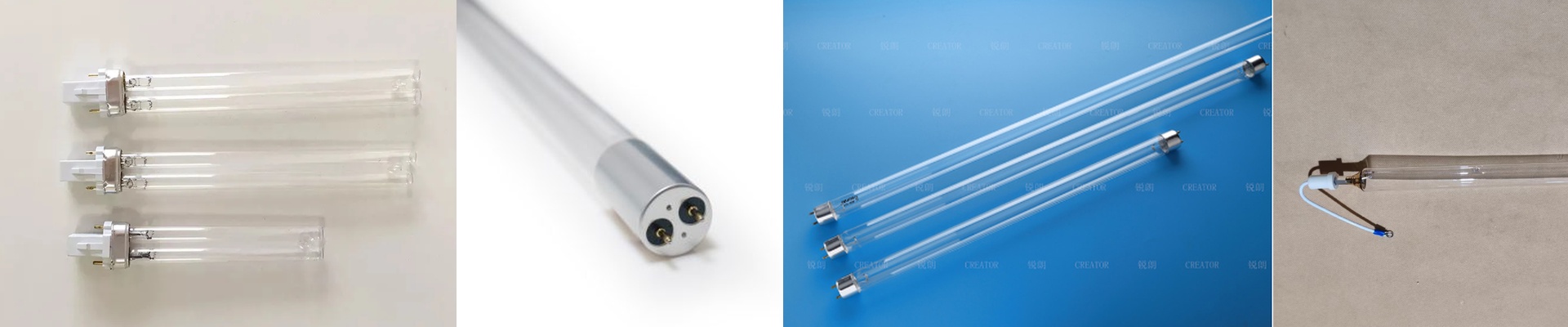
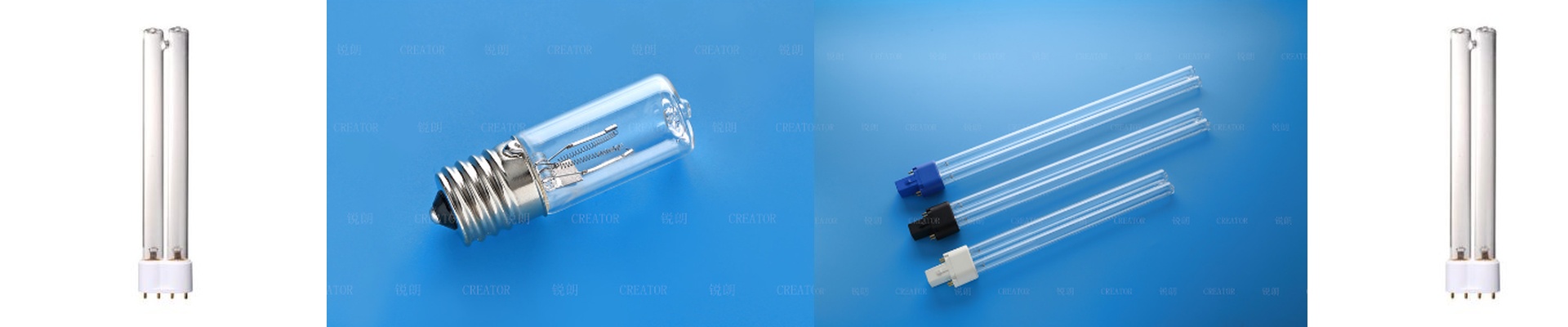
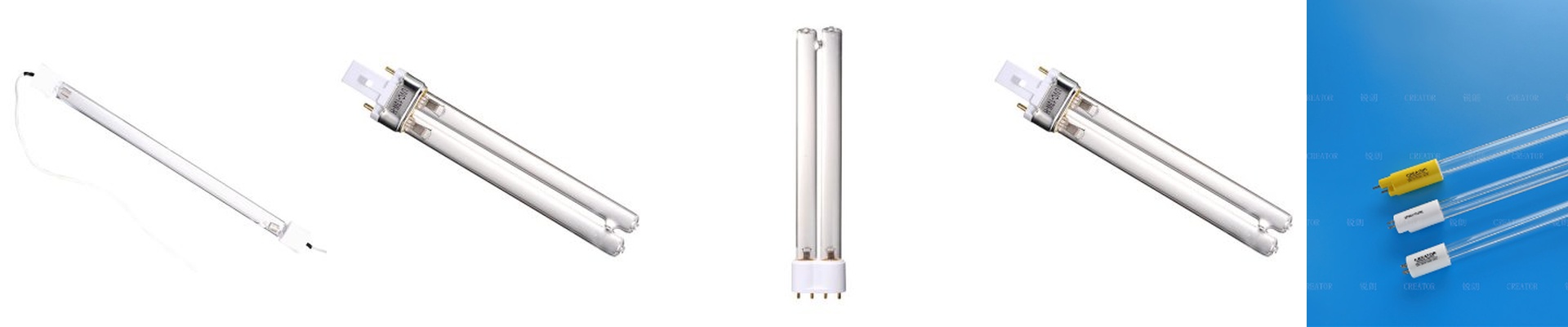
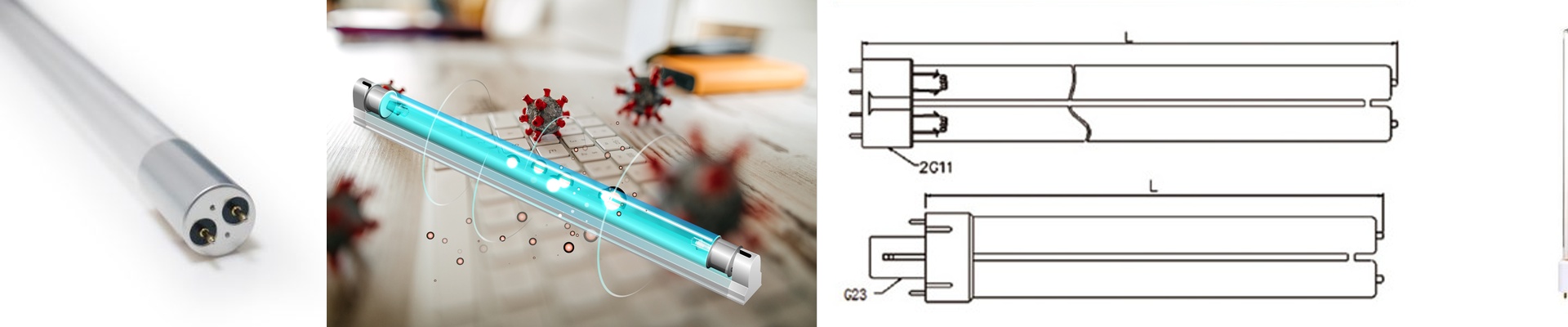
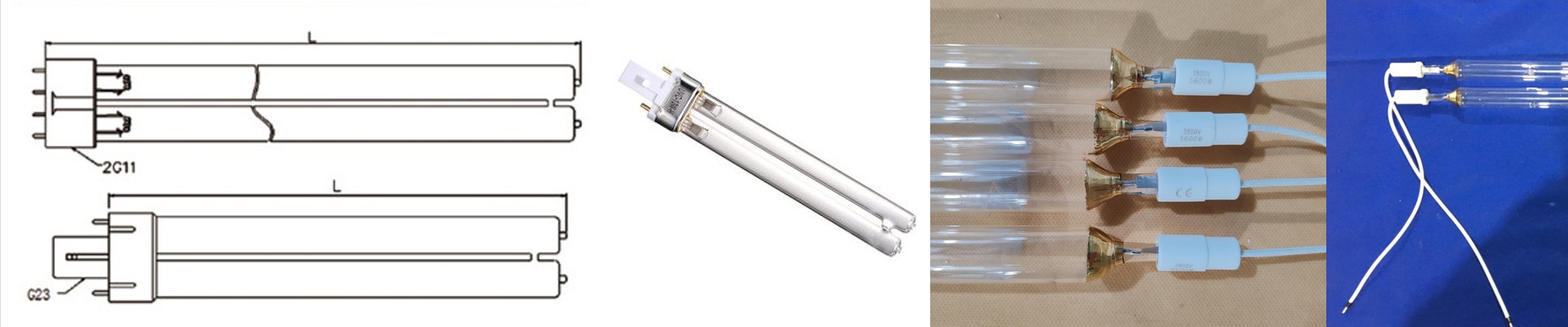
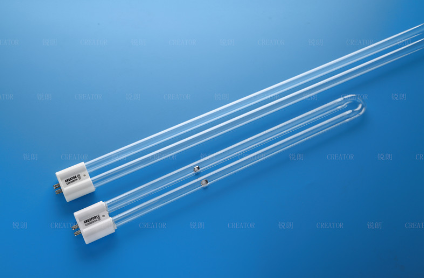
On a high-speed garment line, uptime is everything. If the ink stays tacky, the belt stops, and the schedule slips—no one needs that. A compact mercury UV lamp is built to kill that bottleneck by giving you a second-level cure that’s fast, stable, and repeatable. What matters under the hood We spec a compact mercury vapor lamp with a high-purity quartz arc tube and a dichroic-coated reflector. The goal is to push spectral output at 365nm, with usable shoulder energy at 385–405nm. That translates to peak irradiance above 2,000 mW/cm² and deliverable energy density of 600–1,200 mJ/cm² at the substrate plane, measured with a calibrated spectral radiometer. Output holds steady across 5,000+ hours, with less than 5% drop in the first 2,000 hours when you drive it at rated current. Ozone-free operation comes from the ozone-free quartz envelope and proper cooling airflow—keeping the workspace cleaner and cutting down on maintenance. Why it fits the job In high-speed apparel decoration, you need instant cross-linking on pigmented and clear inks without heat soak. This compact lamp cures typical UV inks in 0.3–0.8 seconds at line speeds up to 150 m/min, so you can stack and fold right away. The footprint is narrow enough to fit tight integrator spaces, and the rigid mounting interface lines up with standard brackets on common printer brands. It draws less power than a full-size system, and lamp swaps are quick—one person, standard tools. The details that keep it honest You need precise focal distance and enough airflow to hold arc temperature. Under-cooling shortens lamp life and pushes wavelength off target. Match the power supply and reflector to the lamp’s rated wattage and ignition profile. Also, confirm the ink’s photoinitiator absorption against the 365nm output. Some formulations want a secondary wavelength, and that can mean a different lamp—or a dual-lamp setup.