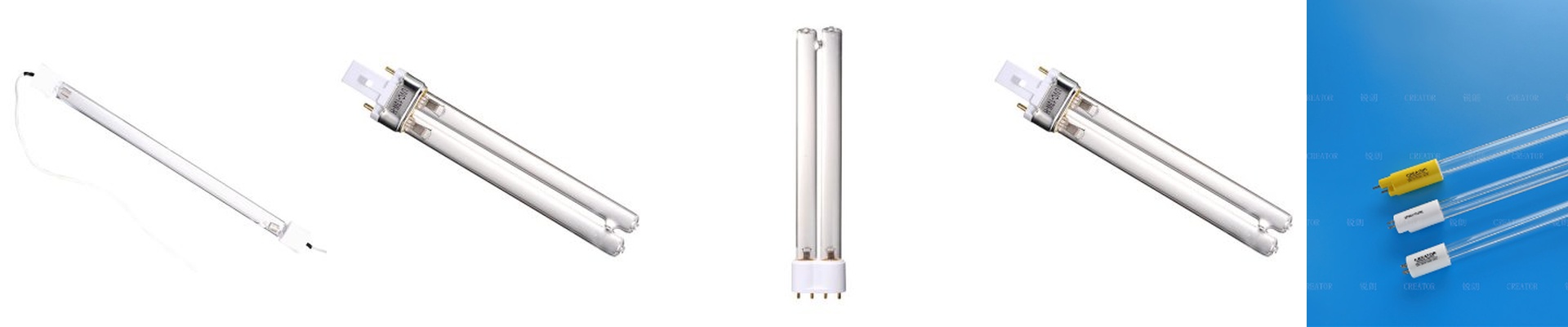
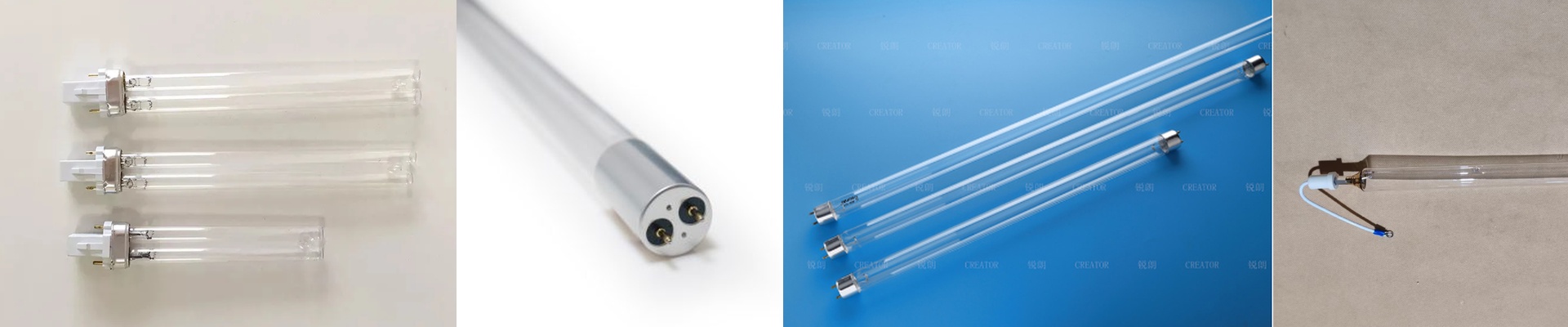
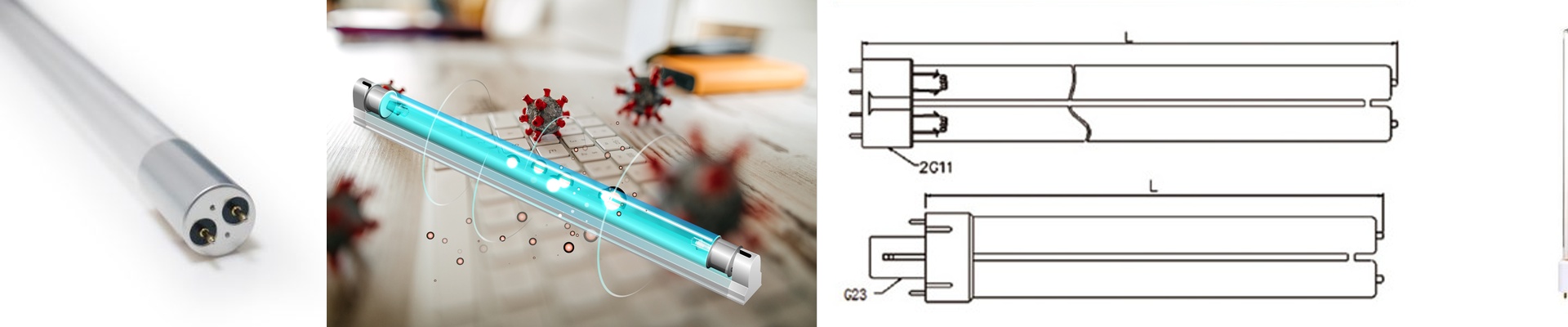
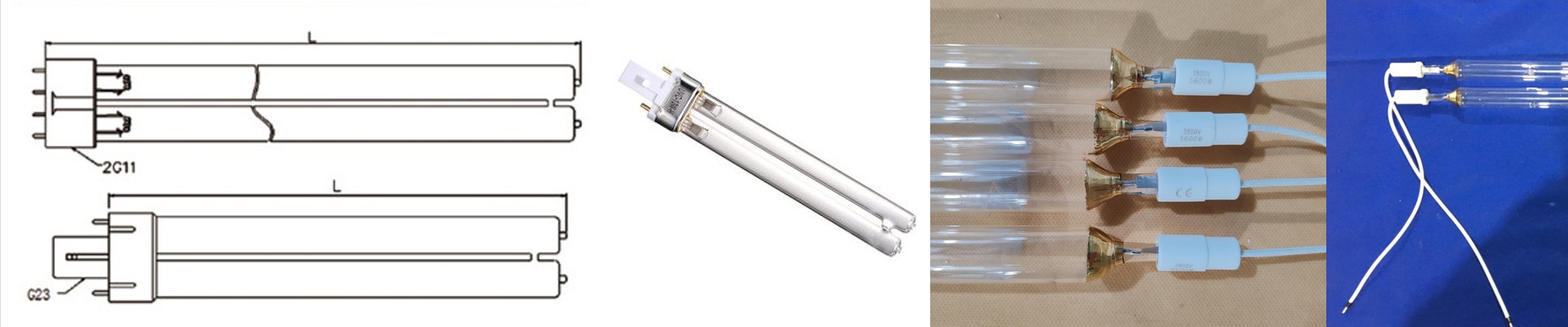
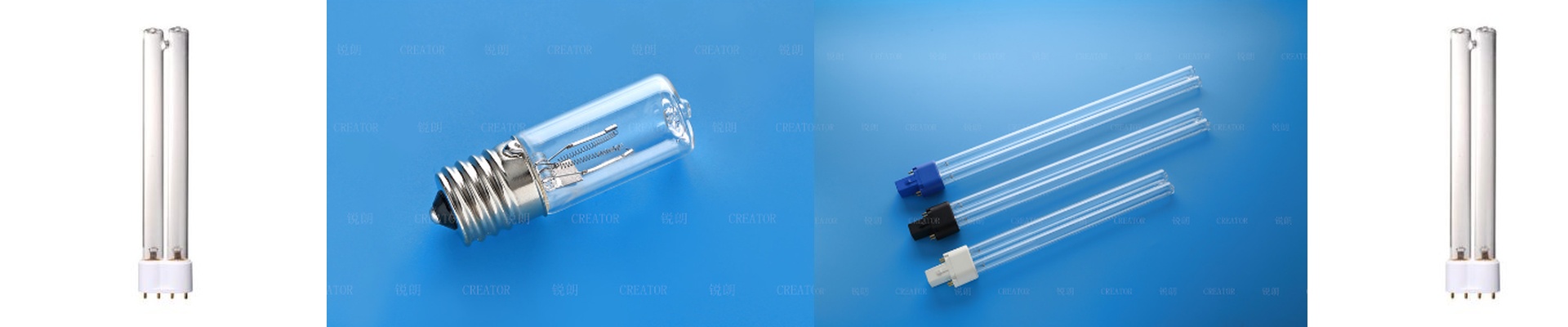
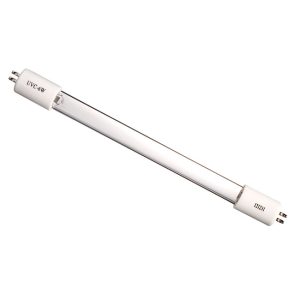
On the plant floor, the coating line doesn’t wait around for the ambient temperature to behave, and it sure doesn’t wait for a lamp to warm up. If the UV energy hitting the substrate isn’t consistent, you get tack, weak cross-linking, and callbacks. We built this UV curing lamp for floor work to deliver repeatable output, shift after shift. What matters, technically It’s a high-pressure mercury vapor lamp, tuned for the dominant 365 nm line so the photoinitiators in epoxy and polyurethane floor systems actually absorb the energy. Peak irradiance is set to top 1,200 mW/cm² at the work surface, which translates to curing energy density above 800 mJ/cm² at typical pass speeds. The quartz envelope and dichroic reflector geometry keep the spectral spread tight and the focal uniformity consistent, so edge-to-edge cure stays predictable. Lamp life is specified at 1,500 hours, and output holds within ±5% over the first 1,000 hours. The system runs ozone-free and has an integrated hot-swap interface that lines up with standard industrial floor-coating conveyors and gantry frames. Why it works in this application Floor coatings are thick, pigmented, and heat-sensitive. Too little UV intensity and the bottom layer stays uncured. Too much heat and you’ll see blisters. This lamp delivers the intensity needed for deep-layer cross-linking while keeping substrate temperature rise in check. The payoff is faster line speeds, fewer rejects, and throughput you can plan around. Energy use drops because the lamp hits target output quickly, and maintenance intervals stretch out because output stability is built into the reflector and driver. Here’s what to watch for Installation needs proper airflow and reflector alignment to hit the stated irradiance window. Undersized ducting or a mis-set standoff distance will shift the energy density curve. Match conveyor speed and cure window to your specific coating chemistry—some formulations lean on a broader spectral tail around 385–405 nm and may need a dual-lamp setup. Run a 24-hour burn-in before you put the line on critical spec, and use a calibrated radiometer to confirm the process window lines up with the data sheet.