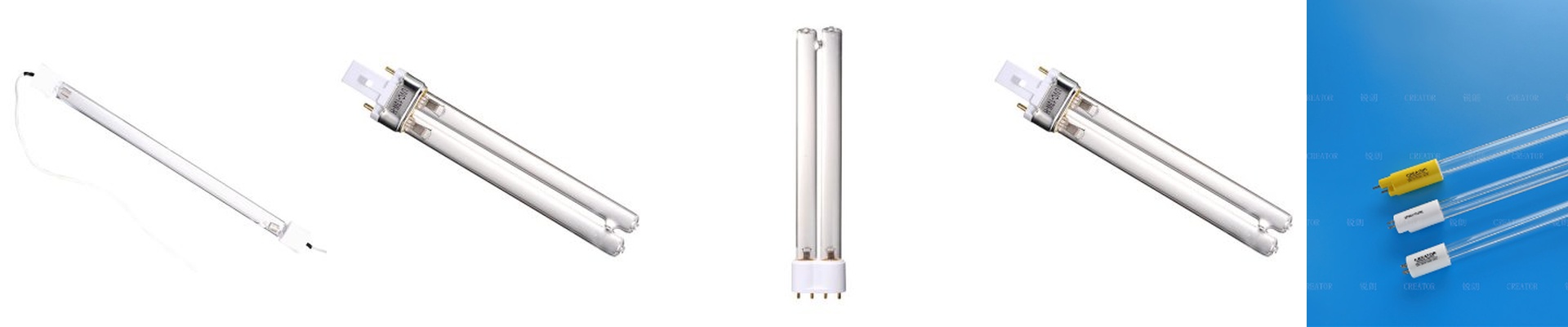
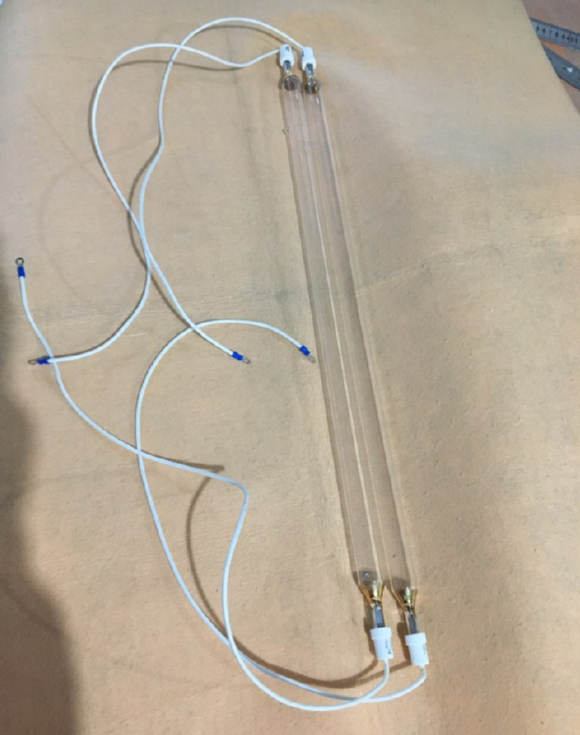
On an Anatol flash-cure line, any downtime spent rewiring for circuit changes is downtime you can’t afford. We built a UV lamp shutter that’s a straight, non-invasive upgrade: plug-and-play integration with zero wiring changes, and it gets spectral output back under control so your ink cure is consistent again. What matters under the hood The shutter module uses a high-precision mechanical aperture that’s timed to lamp ignition. Exposure only starts once the mercury vapor discharge hits the required arc stability. That kills the leading-edge spectral spike that leaves surface tack and under-cures, especially on thick ink films. Output stays stable across 365–395 nm to match photoinitiator absorption, with peak irradiance above 1.8 W/cm² at the substrate plane and dose repeatability within ±3% shot-to-shot. The reflector uses a dichroic coating to manage IR load, so substrate temperature rise stays under 10°C even at high energy density. Why it fits the Anatol setup Installation drops into the Anatol flash-cure footprint without rewiring or reprogramming controls. You keep the existing high-pressure mercury lamp and power supply, and add shutter control that cuts warm-up waste, reduces ozone generation, and extends effective lamp life by keeping the lamp from idling when it doesn’t need to. Expect faster cycle times on UV curing of screen and flexo inks, cleaner dot reproduction, and fewer rejects from incomplete cross-linking. Energy draw drops because the lamp isn’t left on between impressions. Here are the practical details The module needs the original lamp’s voltage and igniter specs to match within ±5%. Double-check reflector geometry and focal distance so the designed irradiance profile stays intact. For best results, measure with a calibrated spectral radiometer and confirm dose at the substrate, not at the lamp window.