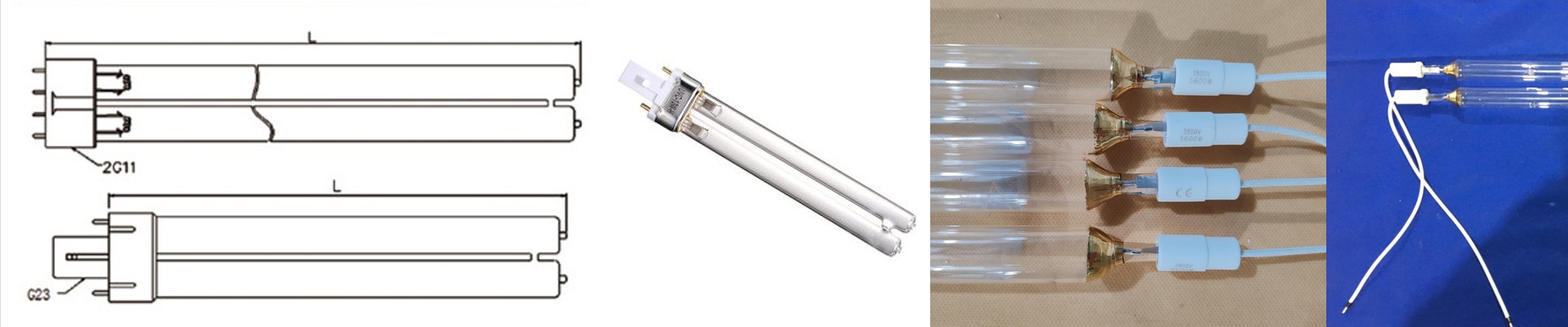
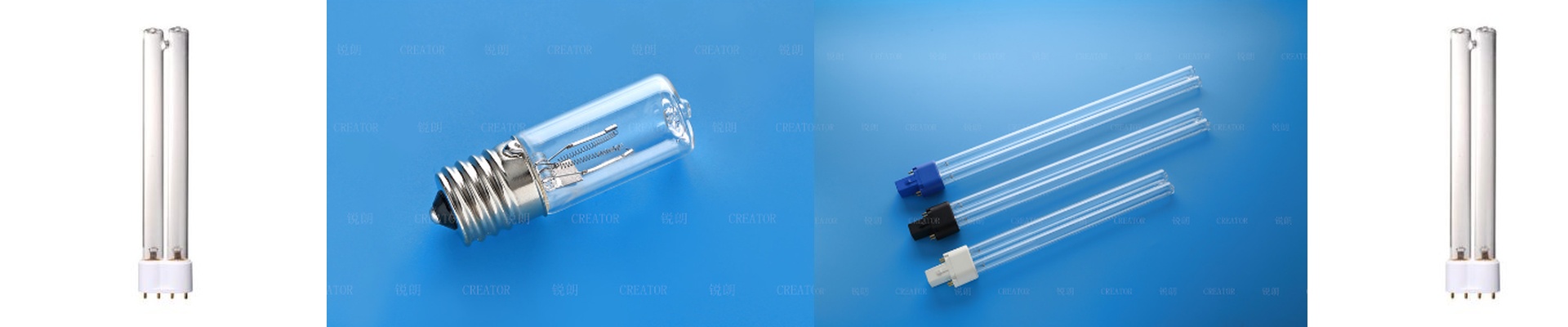
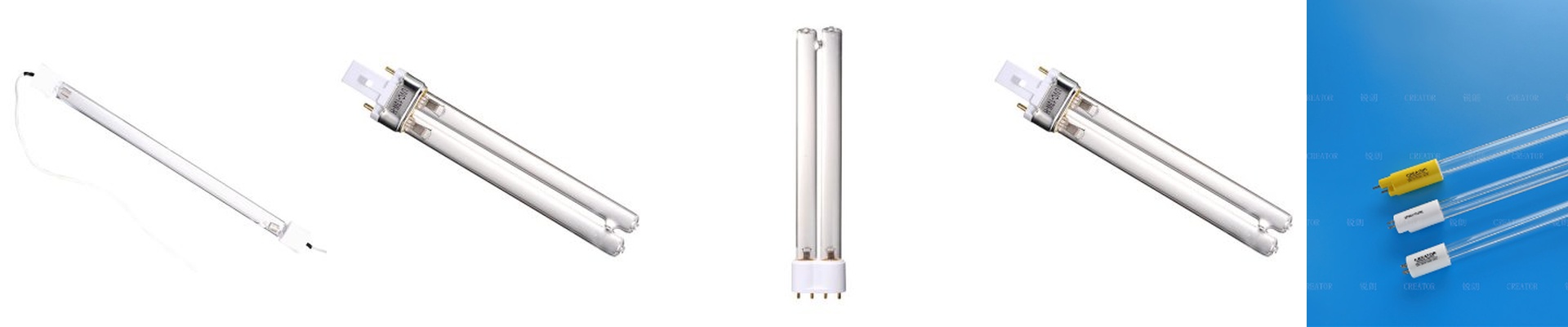
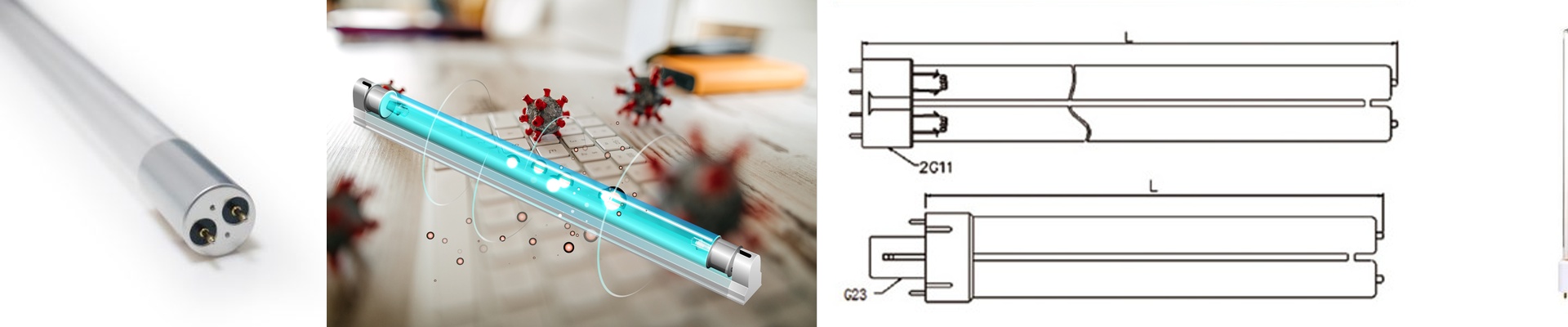
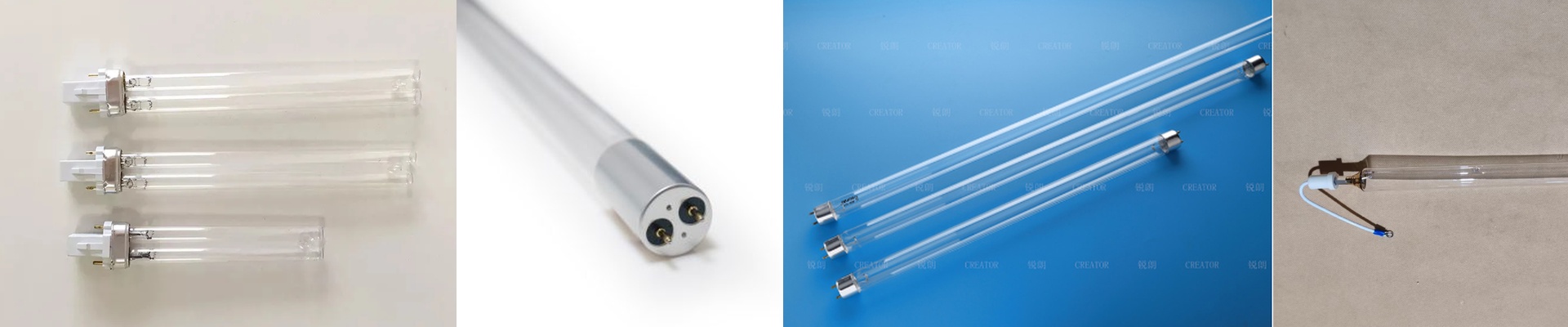
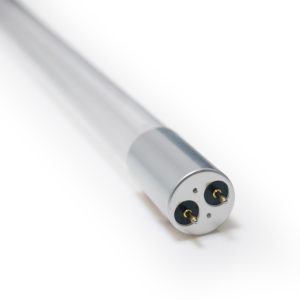
Out on the factory floor, printing on anodized aluminum or tempered glass has a way of exposing the truth fast. Conventional UV output often leaves the ink just sitting on top—thin, weak, and waiting to fail. You see it in the field: scratches, delamination, and rejects that only show up after secondary forming. We built high-intensity UV lamps for exactly these substrates, because when you’re printing on metal and glass, adhesion isn’t a nice-to-have—it’s mandatory.
Power, spectral profile, and curing efficiency
Here’s the thing: high-adhesion curing is about photon density, not just wattage on a label. A high-pressure mercury vapor lamp gives you a broad output band, with real punch around 365 nm and solid energy at 313 nm and 436 nm. That spectrum gets the photoinitiators in the ink working throughout the film and drives deep cross-linking right at the interface. Peak irradiance—measured in mW/cm²—sets how quickly you hit the energy density (mJ/cm²) needed for a full cure. We shape the output by tuning reflector geometry and using dichroic coatings to concentrate energy where the ink chemistry actually absorbs. The payoff: you reach the required dose in a shorter dwell, without having to slow the line down.
Why it works on metal and glass
Metal and glass are low-absorption, high-surface-energy substrates. If you want adhesion that holds up, the cured ink has to anchor into the micro-texture and build a covalent-rich interface, not a brittle top coat. With stable spectral output and a tight focal profile, the lamp promotes uniform cross-linking from the surface down to the substrate boundary. That reduces uncured oligomer migration—the stuff that comes back to haunt you with poor adhesion after post-cure. The film comes out harder, more chemically resistant, and ready to survive forming, solvents, and the daily grind of handling.
Ozone production rate—what it means on the floor
Short-wavelength UV photons split O₂, and that creates ozone. It’s corrosive, it irritates, and it drives ventilation requirements. Our lamp systems cut ozone formation by shifting the effective output away from the most aggressive short-wave energy and by using ozone-free quartz envelopes with catalytic management. The practical result: lower extraction costs, fewer operator complaints, and compliance that’s easier to maintain in confined press environments—without sacrificing the spectral energy you need for adhesion.
Installation reality: alignment, cooling, and distance
High irradiance narrows your margin for error. Reflector alignment has to stay within tight tolerances; even a small mis-focus changes dose uniformity and makes adhesion hard to repeat. Substrate-to-lamp distance affects both peak irradiance and ozone. Too far, and cure falls off. Too close, and you’re dealing with more heat and more ozone. Keep output stable with active lamp cooling and by monitoring lamp temperature over the life of the system. Expect output to drift as the arc tube ages. Plan on scheduled intensity checks and set lamp replacement intervals early, so adhesion stays in spec—day after day, shift after shift.