Getting the Light Right: Why 0.5% Actually Matters
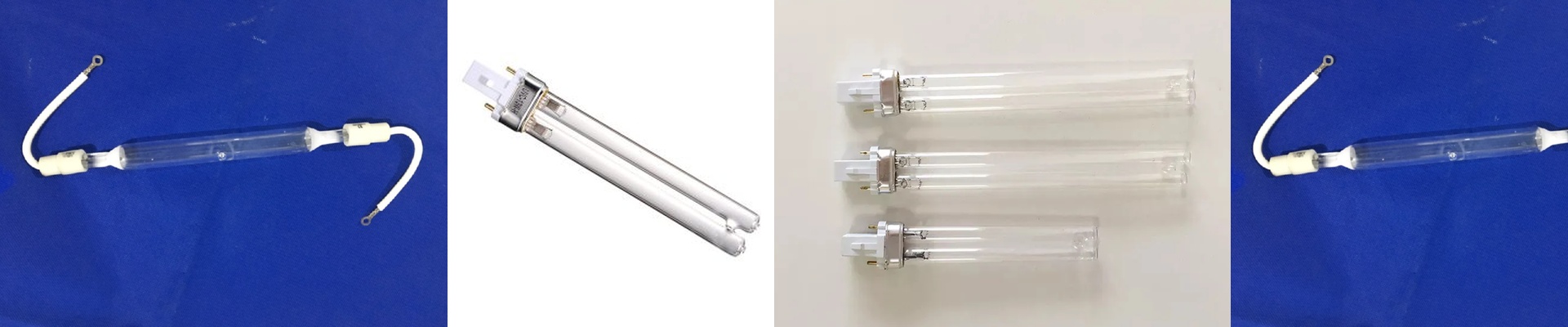
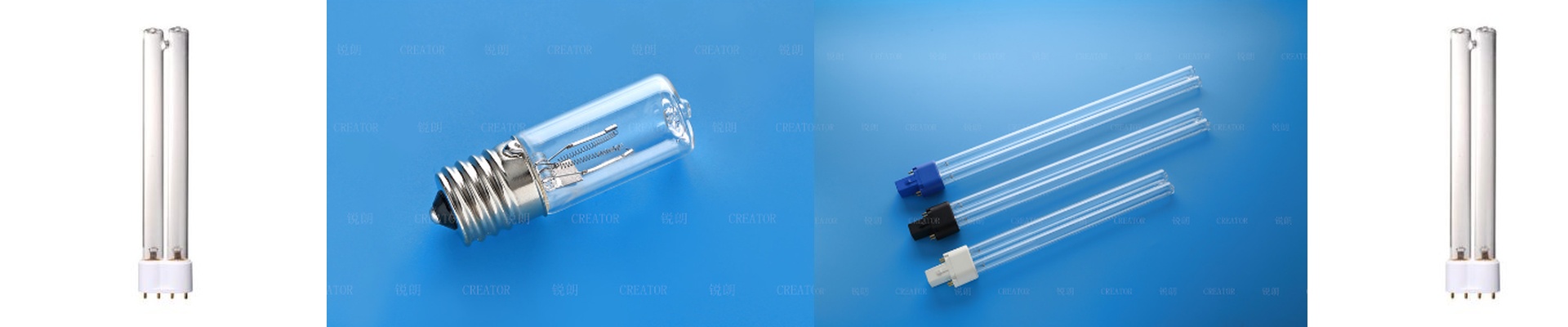
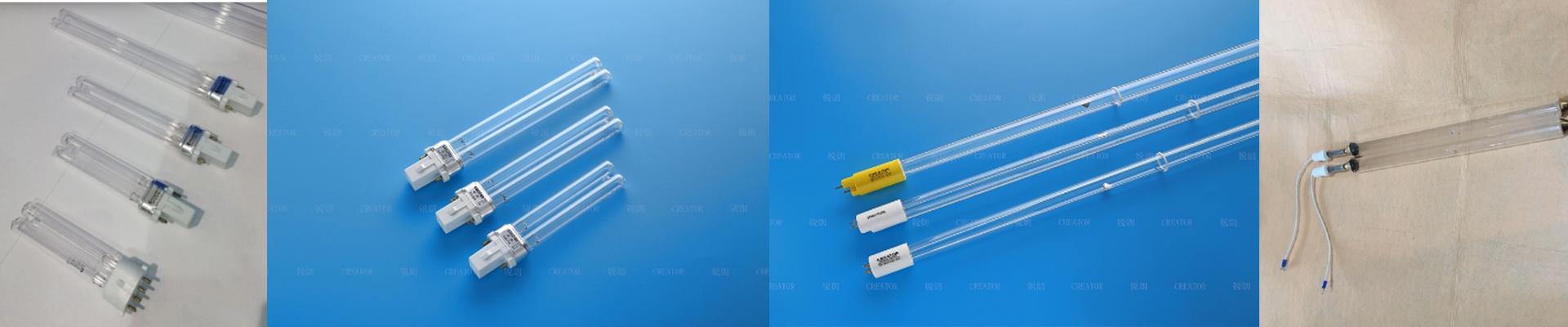
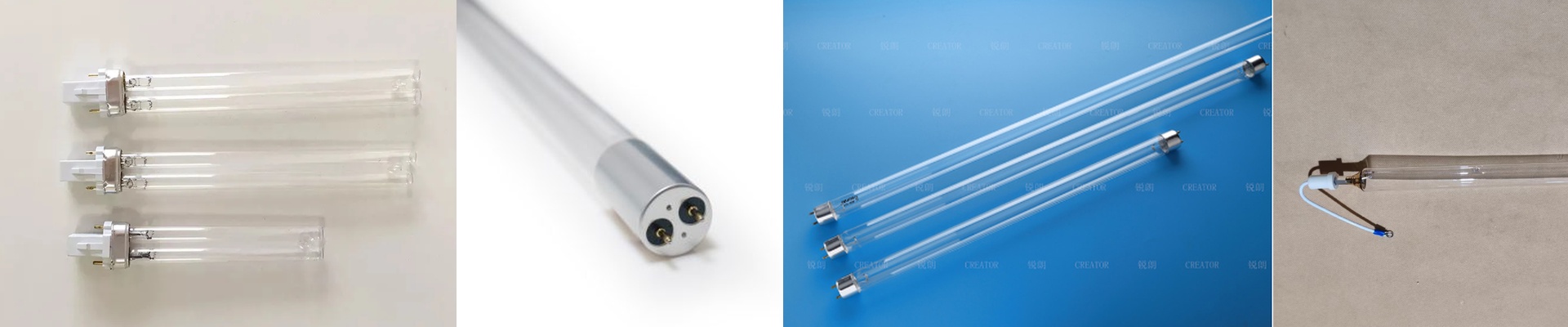
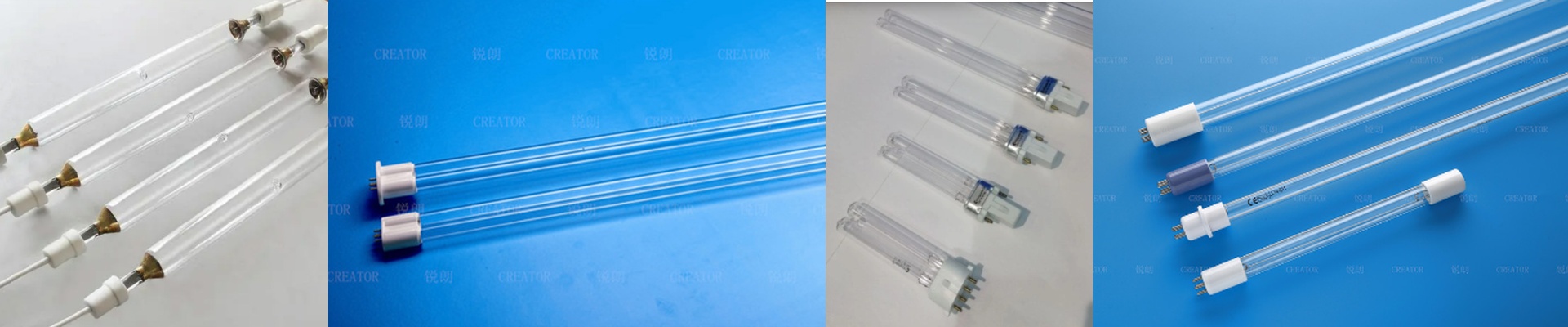
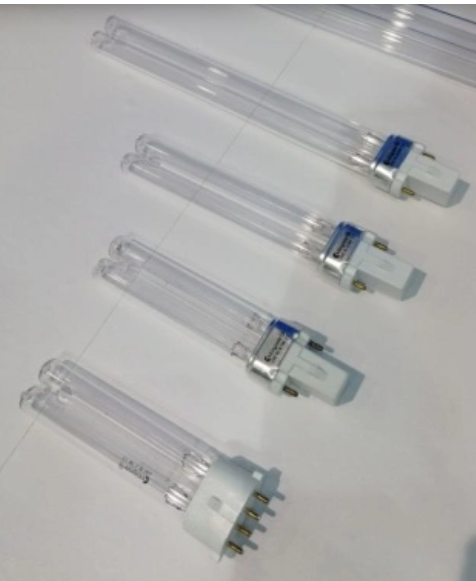
Most people shopping for UV lamp replacements just look at two things: wattage and length. But we decided to obsess over something different—spectral energy concentration. Specifically, we chased a 0.5% variance in how energy is spread across the lamp. Why bother? Because in the world of curing and sterilization, “hot spots” or dead zones are a nightmare. You end up with some parts that are over-baked and others that aren’t disinfected at all. It’s frustrating, and it ruins your yield. The nitty-gritty of the physics Getting this kind of precision isn’t easy. You have to nail the gas fill and the electrode geometry perfectly. If the discharge arc drifts even a little, or the gas pressure fluctuates, your output shifts. We spent a lot of time tightening the tolerances on the quartz thickness and the purity of the mercury. The goal was simple: make sure those UV-C photons hit every inch of the tube with the same intensity. The trade-off (and a warning) Here is the catch. To get that level of focus, the arc has to run hotter than your average replacement lamp. If you’re swapping these into an old fixture,**please check your reflectors.**Cheap aluminum reflectors tend to warp under this kind of heat. If they warp, all that precision we built into the lamp goes right out the window. To actually see that 0.5% difference on your product, you’ll want high-reflectivity quartz or polished aluminum. Putting it to work The good news? These are true drop-in replacements. We kept the footprint exactly the same as the OEM specs, so you won’t be messing with your ballast or drilling new holes in your mounting brackets. We put these head-to-head with the industry standards using a radiometer, and the profile was flat. That means no more “over-curing” just to make sure the middle of the product isn’t tacky. You can stop burning the edges of your work. Your line speed stays steady because you finally know exactly what the output is going to be.