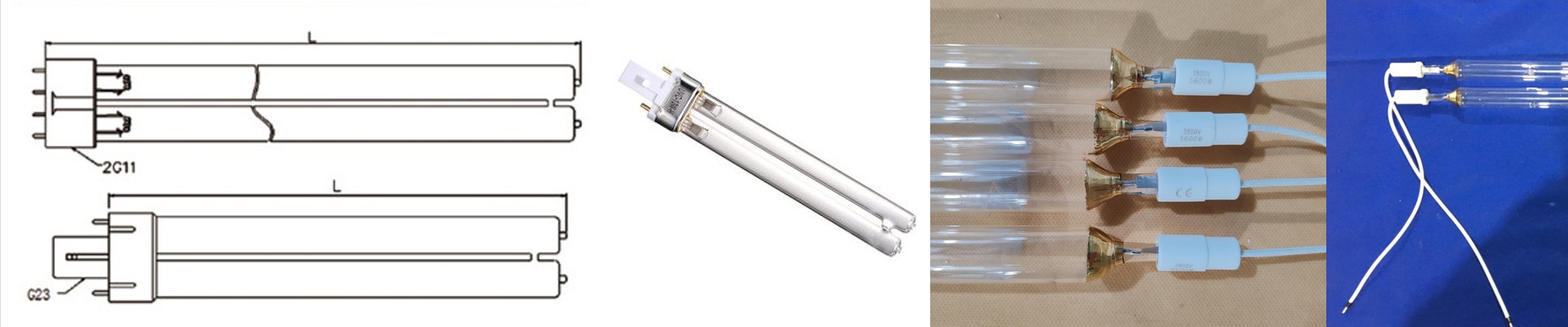
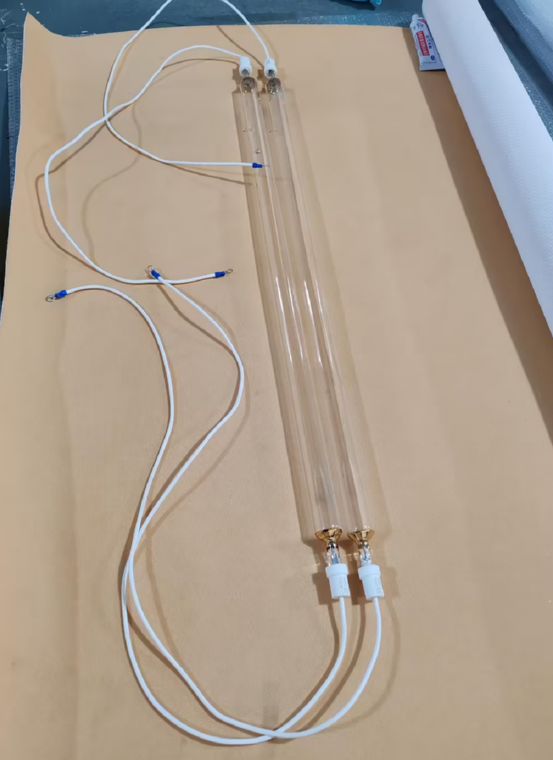
Stop Wasting UV Energy
Most replacement UV lamps have a annoying habit called “spectral drift.” Basically, the energy spreads out too wide. It’s like trying to use a floodlight when you actually need a laser—you’re wasting power and your curing cycles take forever. We spent a lot of time in the lab trying to fix this. We wanted to squeeze that energy into a tiny 0.5% window. Why? Because when the photons hit the target wavelength with that kind of precision, everything just works better.
How we actually did it
Getting that energy concentrated isn’t easy. It comes down to the gas mixture and how pure the quartz envelope is. We spent weeks tweaking the dopants in the arc tube to kill off those useless side-bands. It’s a finicky process. If the gas pressure is off by even a hair, the spectrum widens and you’re back to square one. After dozens of failed attempts, we finally locked in the peak output. The result? You get a ton of usable UV-C energy and way less wasted heat.
The trade-off (and how we handled it)
Here’s the catch: when you cram all that energy into a narrow band, the electrodes take a beating. They get hot. Really hot. To keep the ends from just burning out, we swapped in high-grade tungsten alloys and beefed up the seals. These are designed to be drop-in replacements, butdo me a favor and check your ballast settings first. A tighter spectral peak changes the electrical impedance. If your power supply isn’t tuned for the new load, you might see some flickering or the lamp might die early. It’s a quick check that saves a lot of headaches.
What this means for your shop floor
If you’re an engineer, 0.5% isn’t just a stat on a datasheet. It’s a huge win for your workflow. It means you can crank up your belt speed without worrying about overheating your substrate. The energy is actually hitting the photo-initiators instead of just heating up the air around the machine. We built these to survive the grit of an industrial setting. Just make sure your cooling fans can handle the extra energy density at the center of the arc, and you’re good to go.