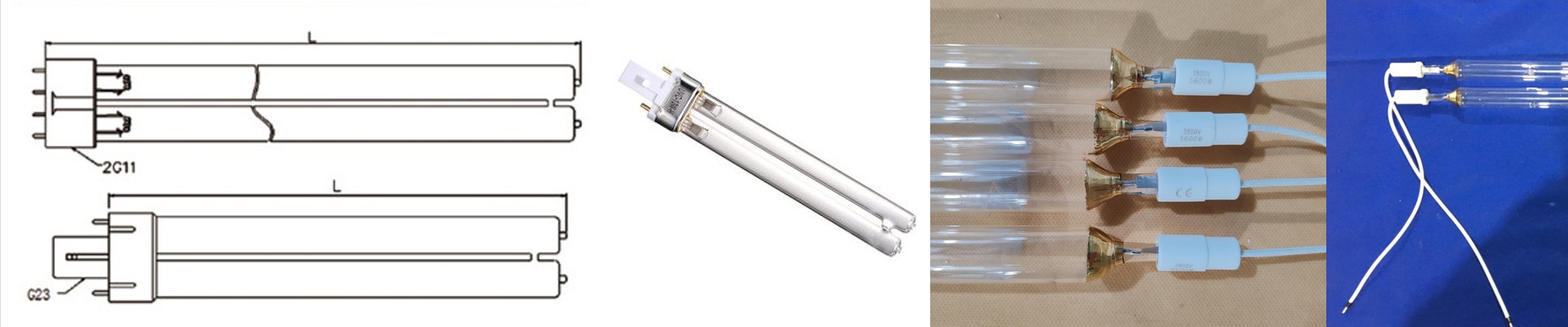
Stop fighting with your curing speeds
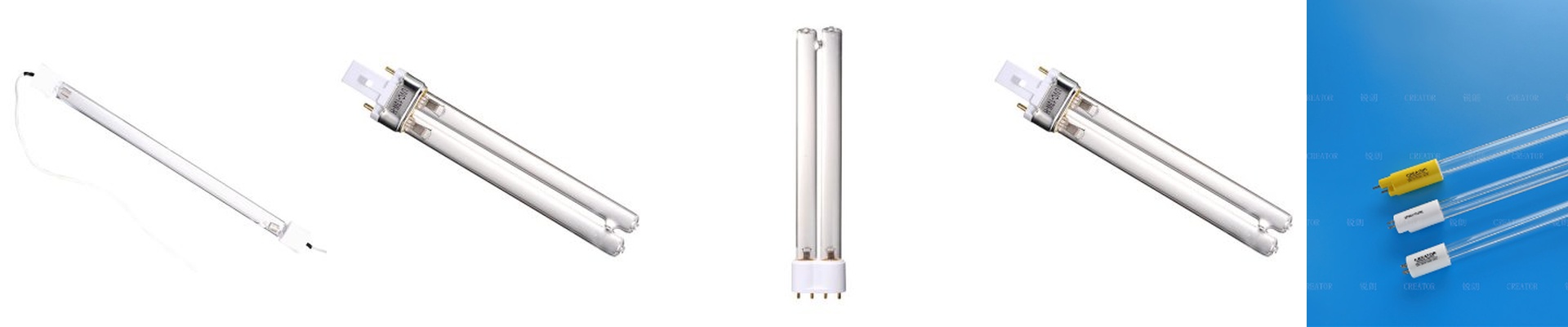
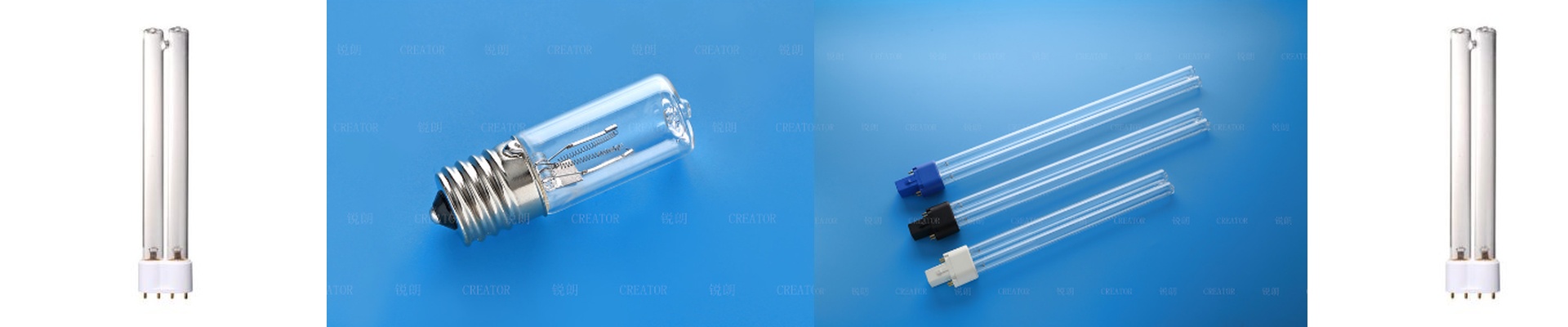
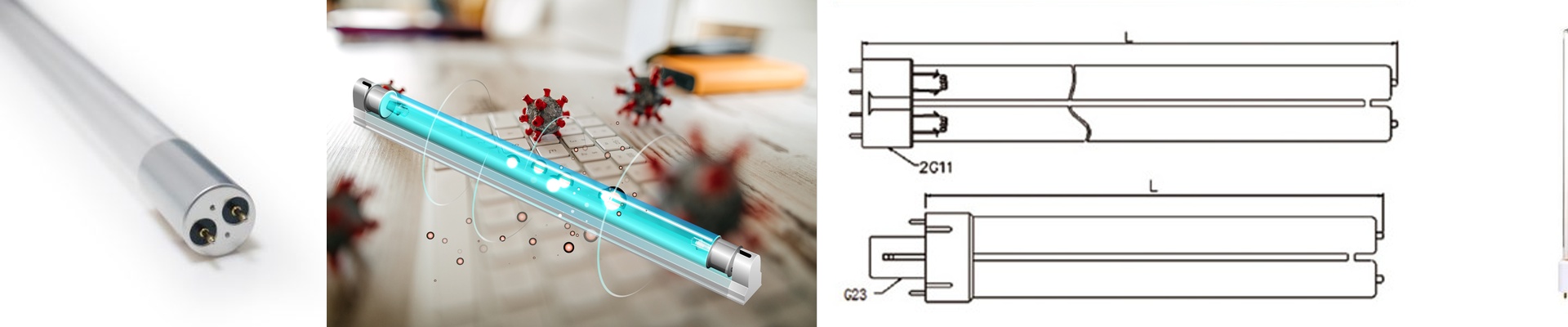
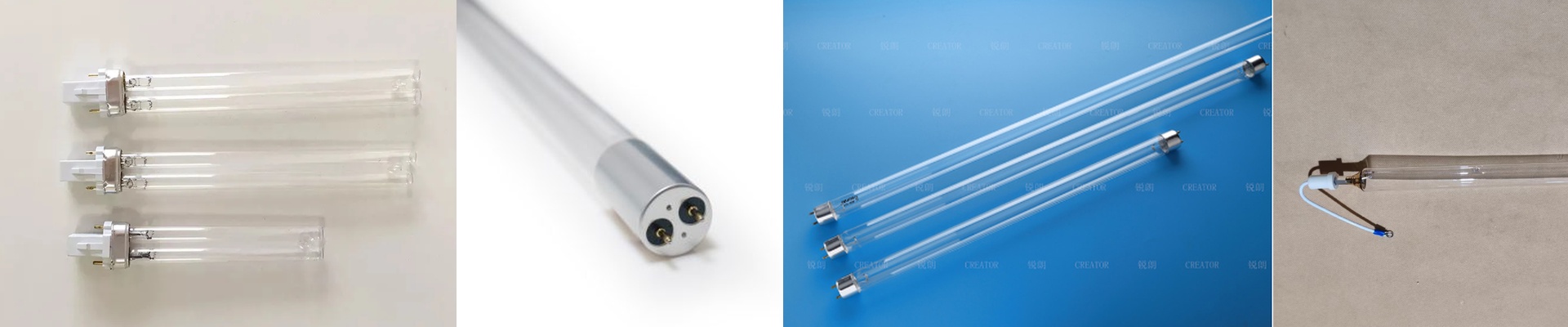
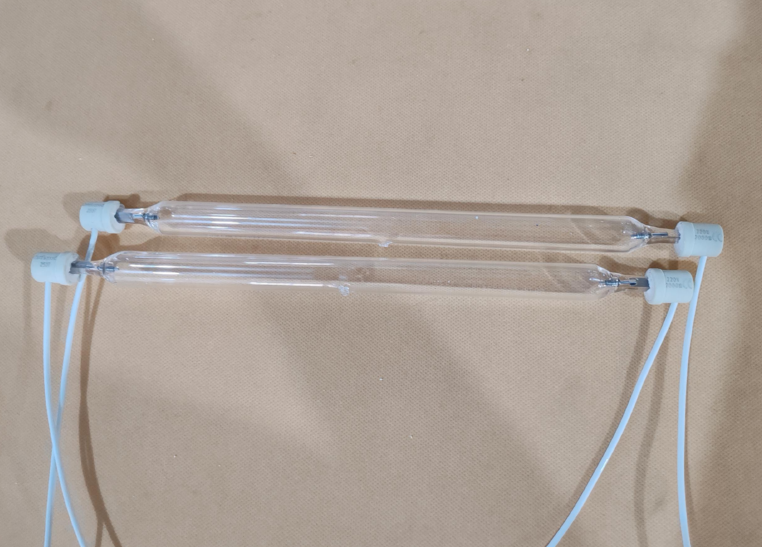
We spent some time at the 2026 Printing Expo showing off our Gallium Iodide (GaI) UV lamp modules. Now, these aren’t your run-of-the-mill mercury lamps. We built them for the tough stuff—high-speed ink curing and adhesive bonding where standard UV just can’t punch through thick coatings. Here is the secret sauce. Most lamps peak in the UVC range, which is fine for thin layers. But GaI shifts that energy into the UVA and UVB bands. Why does that matter? Because the light actually goes into the ink. Instead of just baking a thin skin on the surface while the bottom stays wet, you get a full cure through the entire film. We crank up the power density so you can keep your line moving fast without worrying about the substrate feeling tacky. Getting them into your setup We designed these as drop-in modules. You don’t need to tear apart your entire chassis or start your engineering from scratch. We’ll just tweak the tube length and wattage to fit the space you already have. We use high-grade quartz glass so they don’t burn out early, and the wiring is built to handle the heat. But a heads-up:these things run hot. Check your cooling fans. If your airflow is weak, your output will tank and your lamps won’t last nearly as long. Simple as that. What this looks like on the floor In a high-volume shop, the curing station is almost always the bottleneck. It’s the part of the line that holds everyone else up. By swapping to a GaI module, you can speed up the conveyor without losing that tight cross-linking density. In jobs with heavy pigments, we’ve seen curing times drop by about 20%. It’s a pretty straightforward trade: you get way more throughput, provided you have a stable power supply. Just make sure your power is clean so you don’t deal with flickering or fried electrodes.