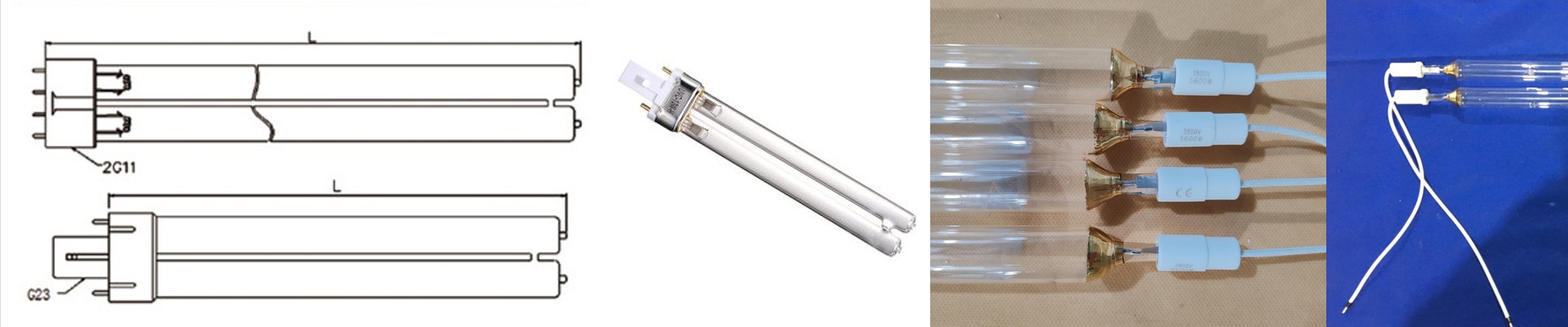
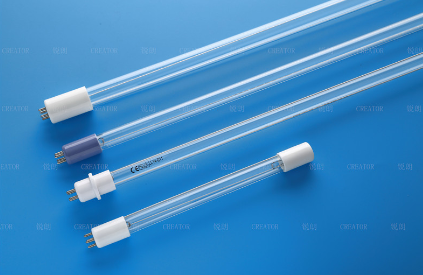
How We Actually Build Mercury UV Curing Lamps
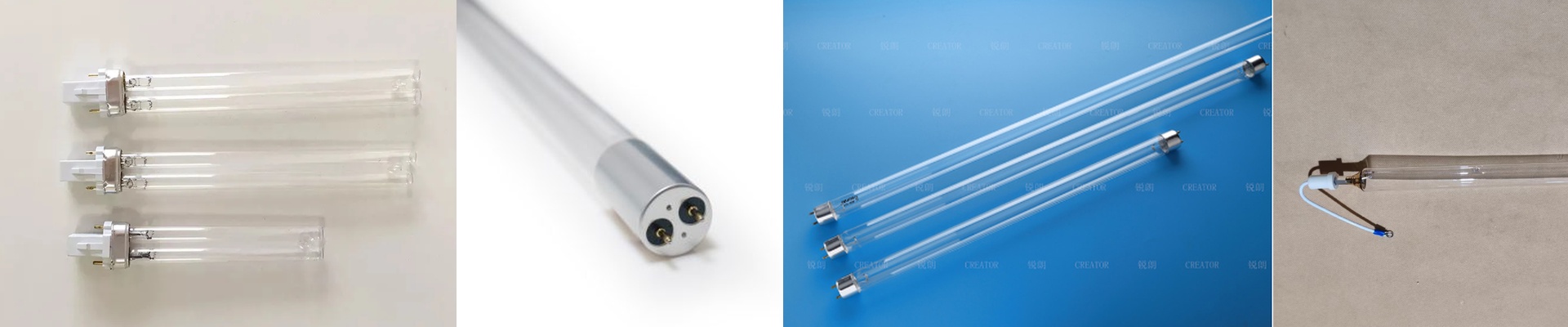
We spent some time visiting 3,000 different printing plants. Why? Because we wanted to see where these lamps actually die. Most companies design their gear in a quiet office, far away from the noise of a factory. We did the opposite. We got our hands dirty. We looked at the heat soak, felt the vibration on the conveyors, and checked the actual ink chemistry being used on the shop floor. That’s how we figured out what a mercury UV lamp actually needs to survive in a modern production line.
The battle between power and heat
To get ink to cure, you need a specific mix of UVC and UVB wavelengths. It’s a balancing act. We spend a lot of time on the mercury vapor pressure inside the quartz. Now, cranking up the wattage gives you more power, but it also sends the temperature skyrocketing. If you run a high-intensity lamp without a cooling system that can actually keep up, the quartz degrades. Or worse, the electrodes just burn out. We calibrate the gas mix so the light stays consistent from one end of the tube to the other. No dead spots.
The hardware that holds it together
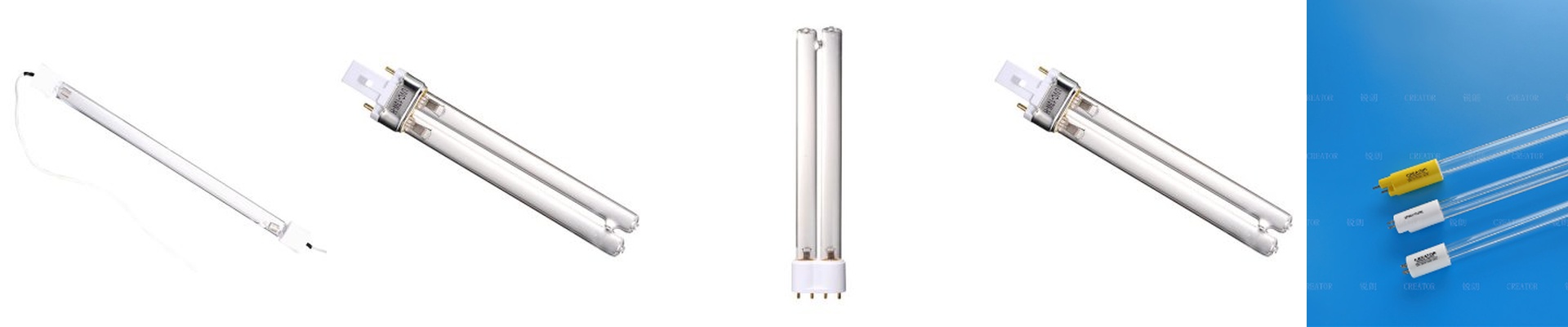
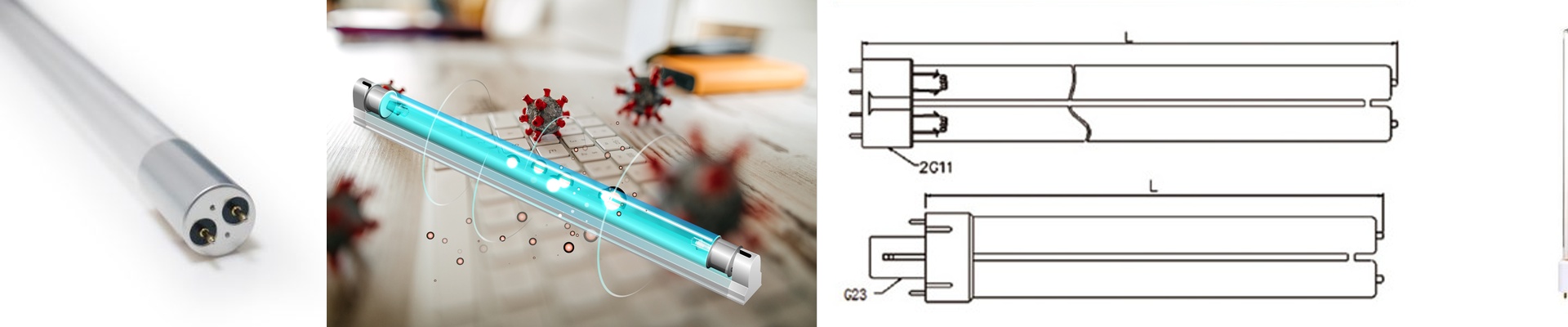
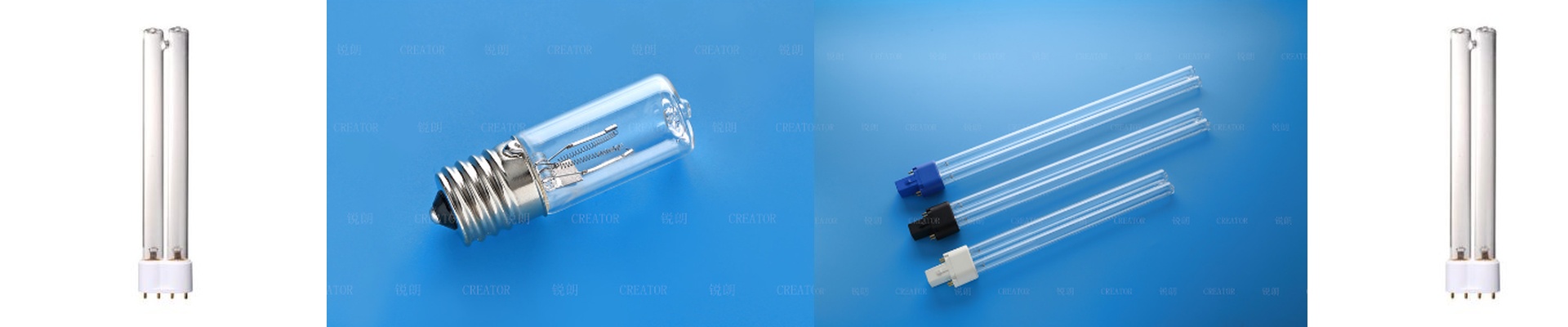
A lamp is only as good as the connection. It sounds simple, but it’s where things usually go wrong. When you plug these into a high-speed press, the machine shakes. A lot. That vibration loosens standard fittings, which leads to that annoying intermittent flickering. To stop that, we use reinforced end-caps and sockets that actually grip the lamp. Then there’s the glass. We use high-purity fused quartz. Some companies use lower-grade glass to save a buck, but that glass blocks the very wavelengths you’re paying for. It’s like buying a window and painting it grey.
The honest truth about trade-offs
Here’s the thing: you can’t have maximum intensity and a lamp that lasts forever. It just doesn’t work that way. If you push a lamp to its voltage limit, the ink cures faster, but you’re eating away at the electrode. It’s a trade-off. Our advice? Use a staggered replacement cycle. Don’t wait for a lamp to go dark and kill your production. Swap them out the moment the intensity dips below what your ink needs. It keeps the line moving and saves you from the nightmare of shipping uncured sheets.