Getting the Most Out of Gallium Iodide Lamps for PCB Work
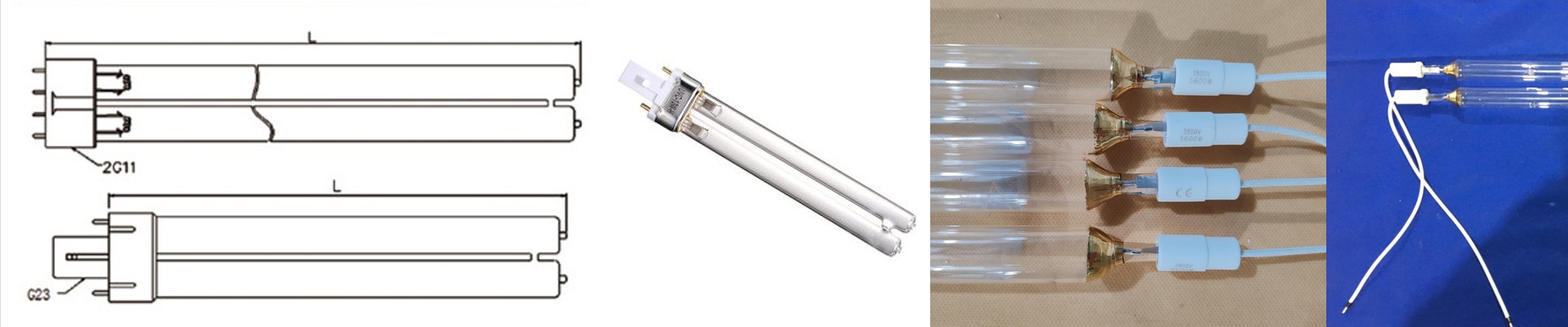
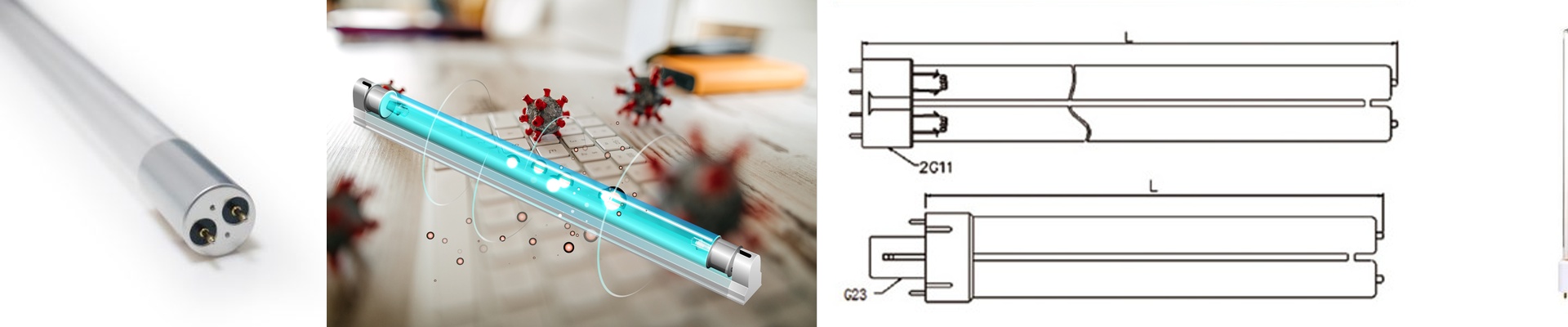
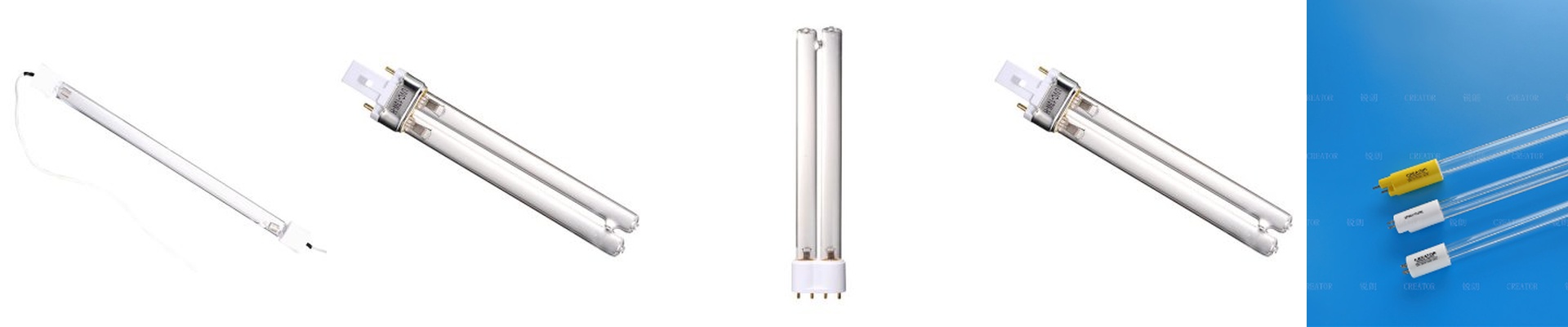
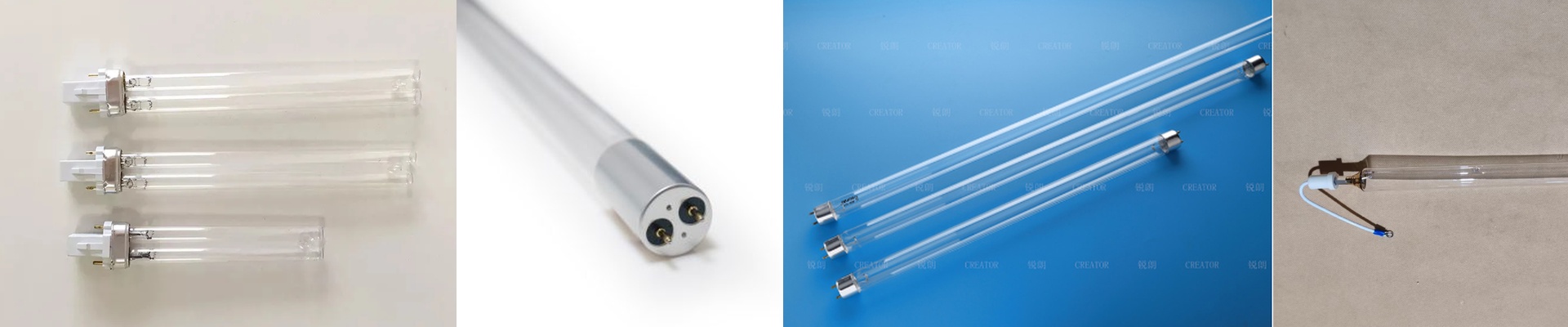
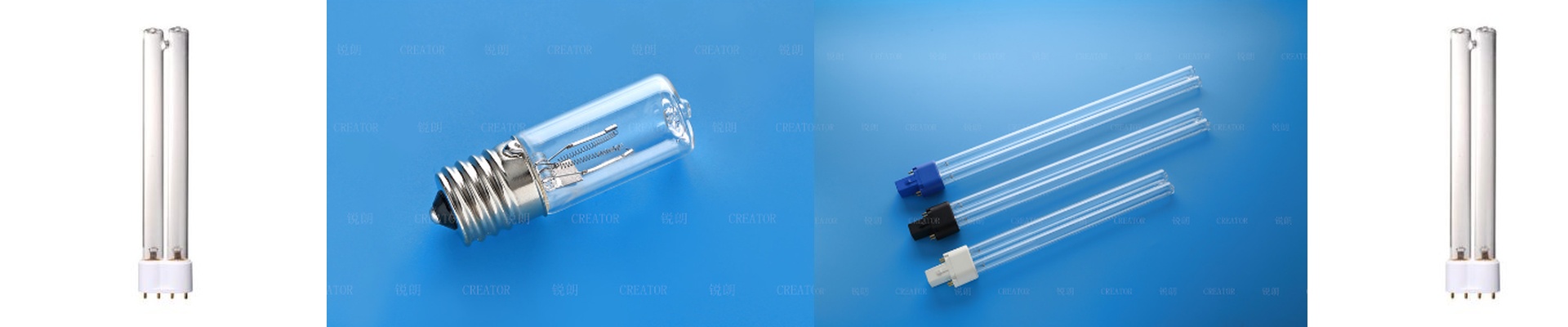
If you’re doing PCB fabrication, you know the struggle of getting those lines exactly right. That’s where Gallium Iodide (GaI) lamps come in. We build these to hit those specific UV wavelengths that trigger the photoresist layer exactly where the mask says it should. No guesswork.
The secret is in the spectrum
Here’s the thing: most UV sources are too broad. They bleed. That leads to “under-cutting,” where your traces end up looking blurry or off-center. GaI lamps are different. They use gallium iodide vapor to create a narrow, targeted beam. For anyone working on high-density interconnect (HDI) boards, this is a lifesaver. You getrazor-sharp linesand tolerances that actually stay tight. But there’s a catch. These things get hot. Like, really hot. To stop the glass from cracking under all that thermal stress, we use high-grade quartz envelopes. Just a heads-up: keep your cooling fans clean. If your airflow is blocked, the lamp will overheat and you’ll be replacing it way sooner than you should.
Getting them up and running
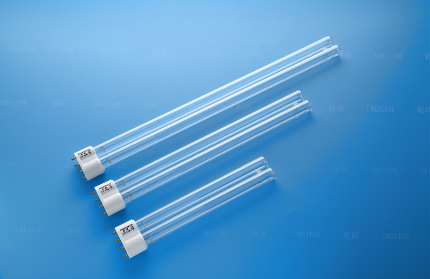
We designed these as drop-in replacements, so they should slide right into your existing exposure lines without a fight. We’ve already aligned the electrodes for a steady arc, but you still need to be careful. **Check your ballast settings before you flip the switch.**If you hit the lamp with a voltage spike, you’ll fry the filament instantly. It’s a quick, expensive mistake.
The honest trade-offs
Look, GaI lamps give you way better resolution than the old mercury vapor options. But they aren’t “plug and play.” Gallium is pricey, and these lamps are a bit moody when it comes to temperature. You can’t just plug them into any old outlet, either. You’ll need a stabilized power supply. If the power flickers, your exposure becomes uneven, and you’ve just wasted a board. One last thing—and this is non-negotiable—**keep them shielded.**The UV-C output is dangerous. Make sure your curing chambers are fully enclosed so your team stays safe.