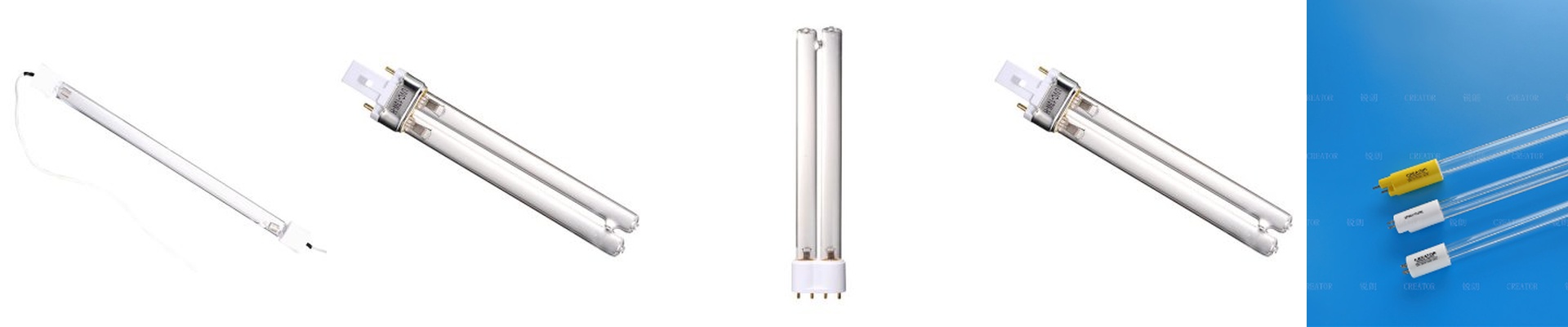
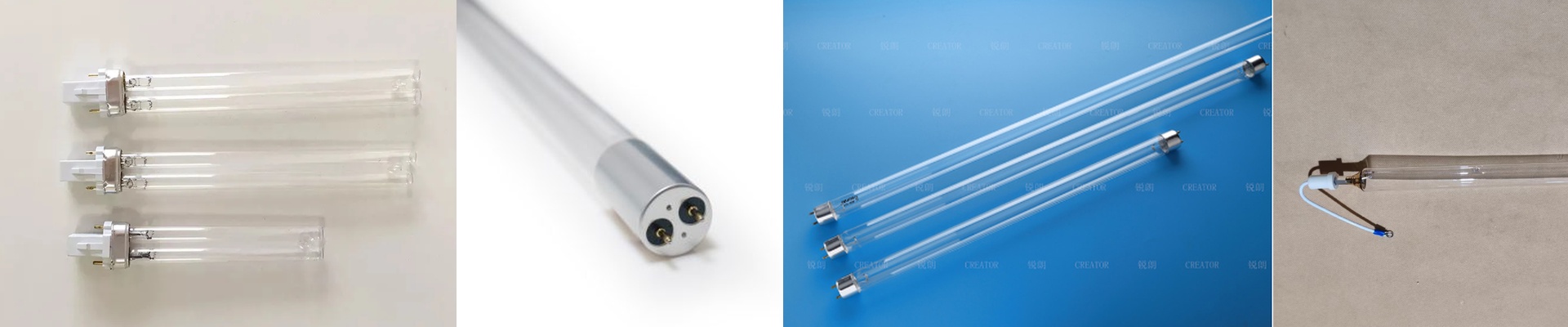
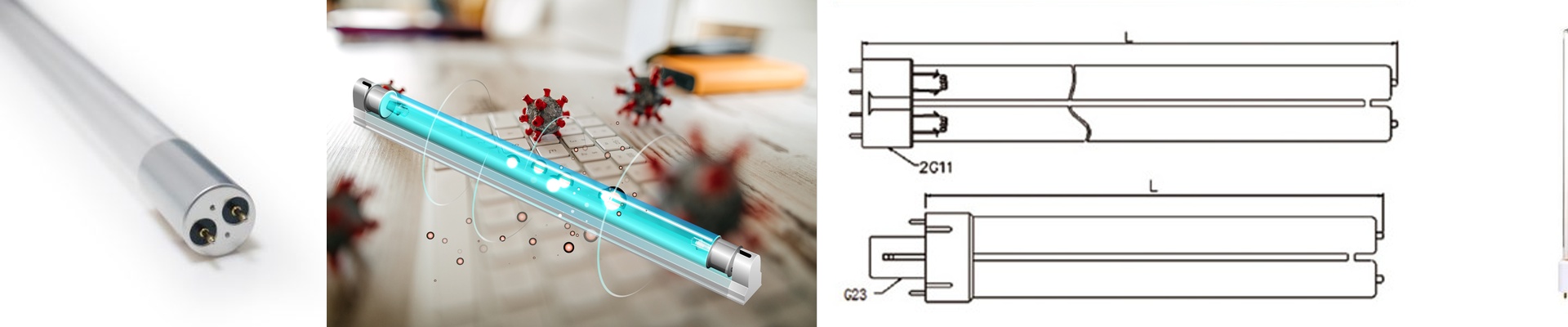
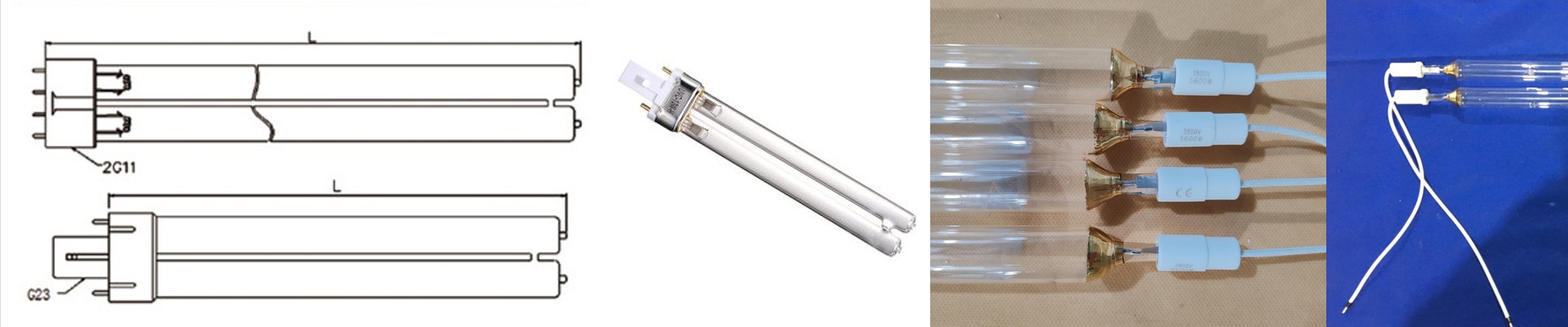
Let’s Talk About the 120W/cm Mercury UV Lamp
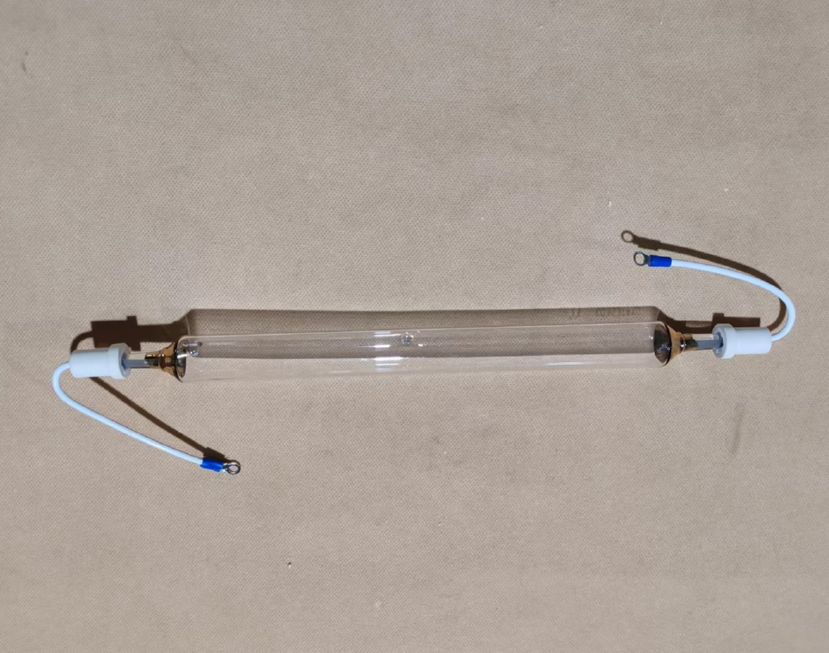
We build our standard mercury lamps at 120W/cm. Why that number? Because in the world of high-speed curing, it’s the “sweet spot.” It gives you the speed you need to keep the line moving without killing your lamps every few weeks.
The real-world physics
Think of the 120W/cm rating as the amount of “punch” hitting your material. To make sure that energy actually gets where it needs to go, we use high-purity quartz glass. If the glass is cheap, it absorbs the UV radiation; with our quartz, the short-wave UV just glides right through. Now, you might be tempted to crank the wattage higher to cure things even faster. But there’s a catch. Push it too hard, and you’ll fry the electrodes. At 120W/cm, everything stays stable. Your standard air-cooled reflectors can handle the heat without breaking a sweat.
No middleman, no markup
A lot of people treat UV lamps like basic commodities, but the devil is in the details. The purity of the mercury and the exact thickness of the quartz make or break the lamp. Instead of buying parts from five different vendors, we handle everything in-house—from the raw quartz to the final seal. Since we aren’t paying a bunch of distributors to move boxes around, we can keep the price down without cutting corners on the glass quality. Plus, these are true drop-in replacements. We keep the tolerances tight. That means when it’s time for a changeover, the lamp actually fits. No fighting with mounting brackets or forcing things into place.
A few things to watch out for
Here is the honest truth: these lamps get hot. Really hot. Along with the UV light, you’re getting a lot of infrared heat. If you’re working with PET or plastics, that heat can be an issue. You’ll want to make sure your cooling fans or chilled water jackets are up to the task. If your cooling is too weak, your substrate might warp before the resin even has a chance to cure. One last tip: pair these with a stable ballast. You don’t want any flicker. Flicker leads to streaks, and streaks mean you’re wasting product. Keep the power steady, and you’re good to go.