Quartz UV Lamps for Automotive Powder Curing: Why Hybrid Infrared + UV Works
If you’re running automotive powder coating lines, you already know the truth: one heat source just isn’t enough. That’s why we build our quartz UV lamp tubes for a hybrid setup—pairing infrared heating with UV curing so both work together, not against each other. The idea is straightforward. Get the part to the right temperature fast, then seal the finish with UV—without cooking thin parts to death.
Power, Voltage, and Size: What the Numbers Mean in the Real World
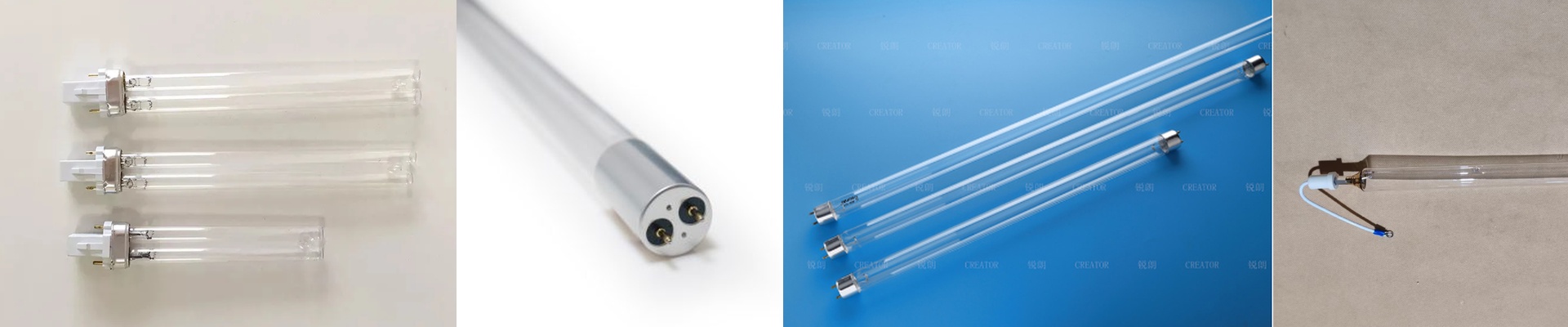
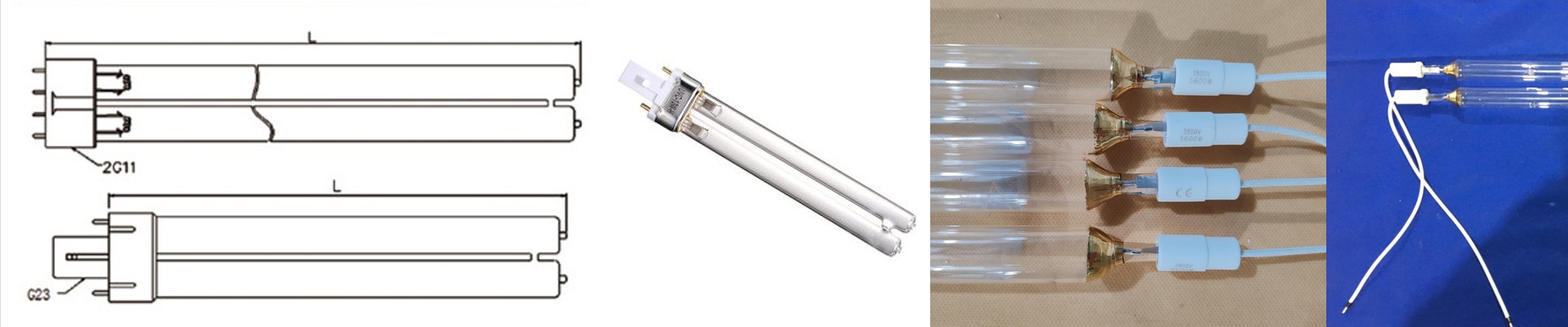
For this kind of work, a typical quartz UV lamp tube runs at2500W. That wattage gives you the photon punch needed for fast UV curing, while the infrared stage handles the heavy lifting—bringing the part up to temperature quickly so the UV can do its job. You’ll often see these lamps spec’d at400V. That higher voltage isn’t just a number—it helps keep power steady along the full length of the tube and holds the arc temperature consistent, even when the line voltage dips. And size? It matters more than you’d think. A300mm tubekeeps the footprint small, fits cleanly into most curing modules, and lets you focus the energy right where the part needs it.
Material and Design: Why Quartz, Coating, and R7s Matter
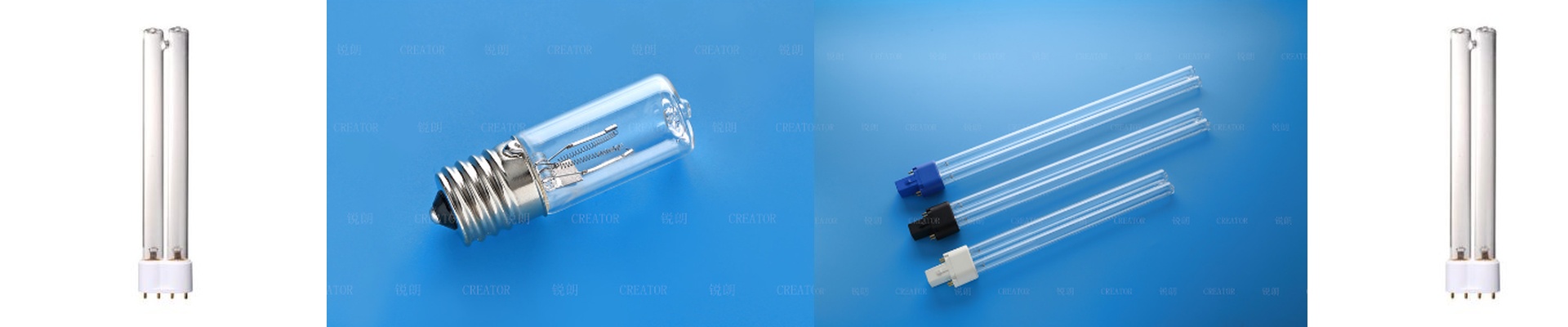
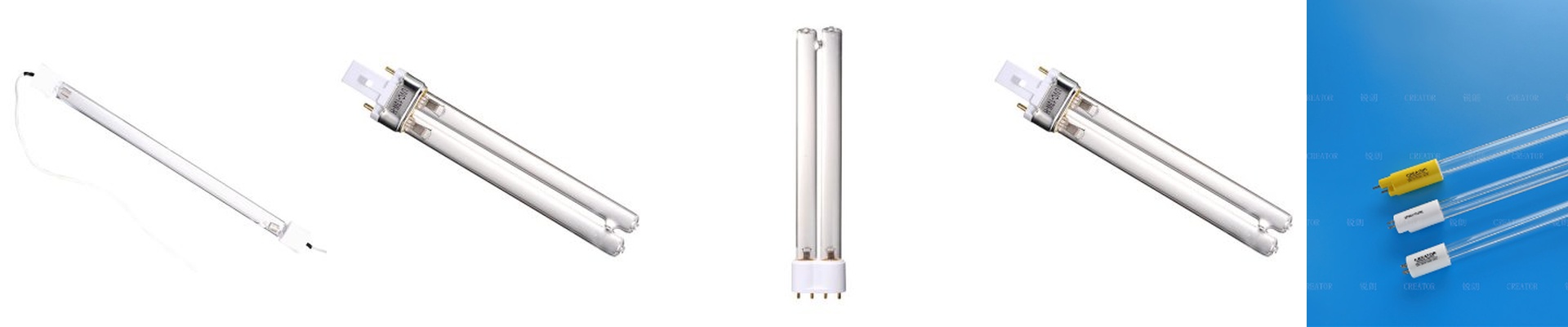
Quartz isn’t a fancy choice—it’s the practical one. It handles intense heat and lets UV through without softening or failing. That inner coating on the tube? It’s doing real work. It shapes the spectral output so more energy lands in the UV band that actually cures the powder, and less is wasted as visible light. Then there’s the connector:R7s. It’s a two-pin end cap that’s proven on the floor. It carries the current safely, seats reliably in fixtures, and makes lamp swaps fast. In a hybrid infrared + UV system, that means less downtime when a lamp needs replacing.
Application and Performance: The Hybrid Advantage on the Floor
On the line, automotive powder coating has to do two things: flow out evenly, then harden fast. Infrared heating gets deep into the part first, cutting the time it takes to hit cure temperature. Then the UV lamp steps in and finishes the cure almost instantly. That hybrid rhythm shortens oven dwell time, which can lower energy use and open up line capacity. It also reduces the heat load on delicate substrates, so you’re less likely to deal with warping. But here’s the part you need to plan for: a2500W, 400VUV lamp is dense power. That means your cooling and electrical distribution have to be properly sized, so the lamp and control gear stay within safe temperature limits. When you’re spec’ing a mixed system, we match the quartz UV tube length, wattage, and voltage to your fixture and process window, so it wires up clean and runs steady—shift after shift.