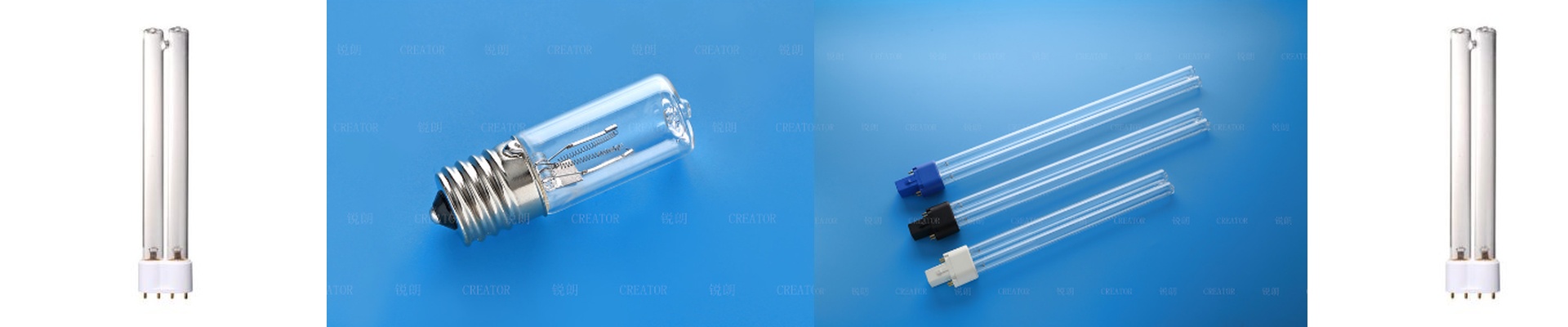
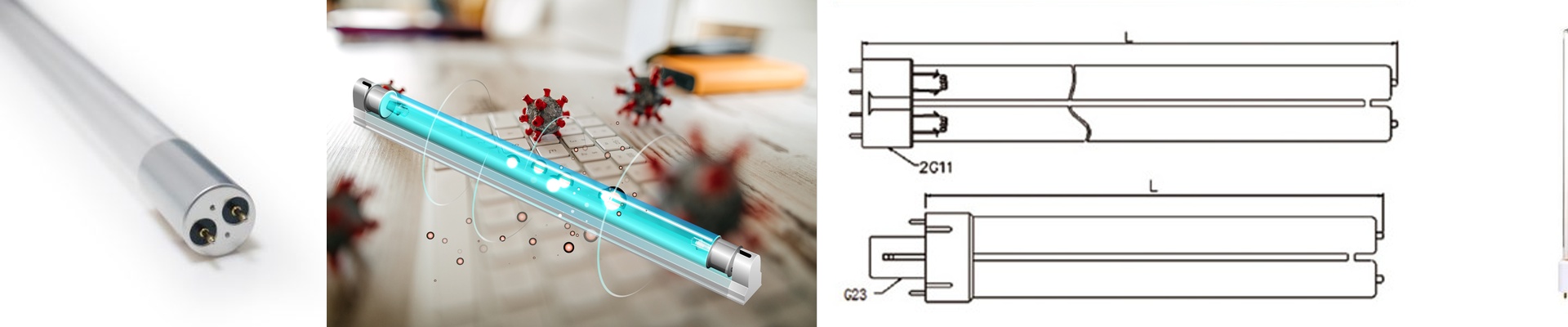
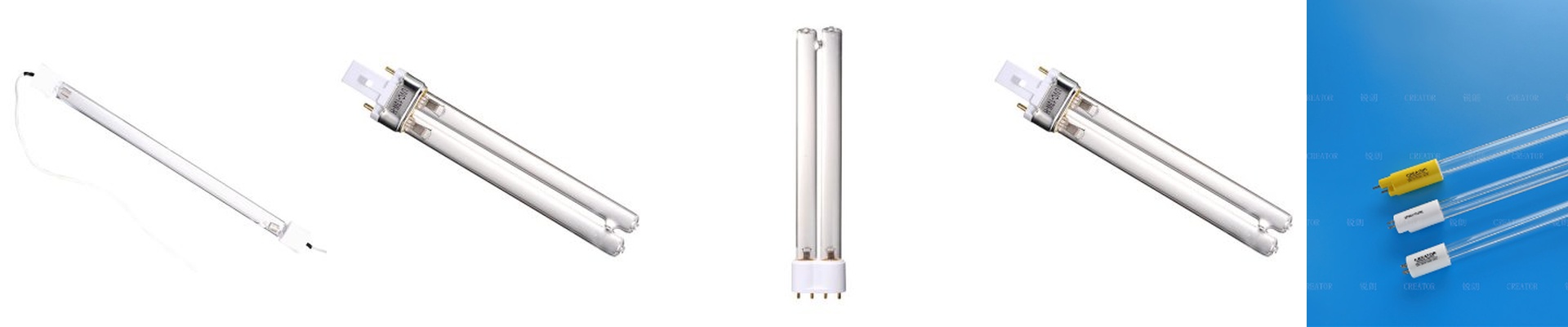
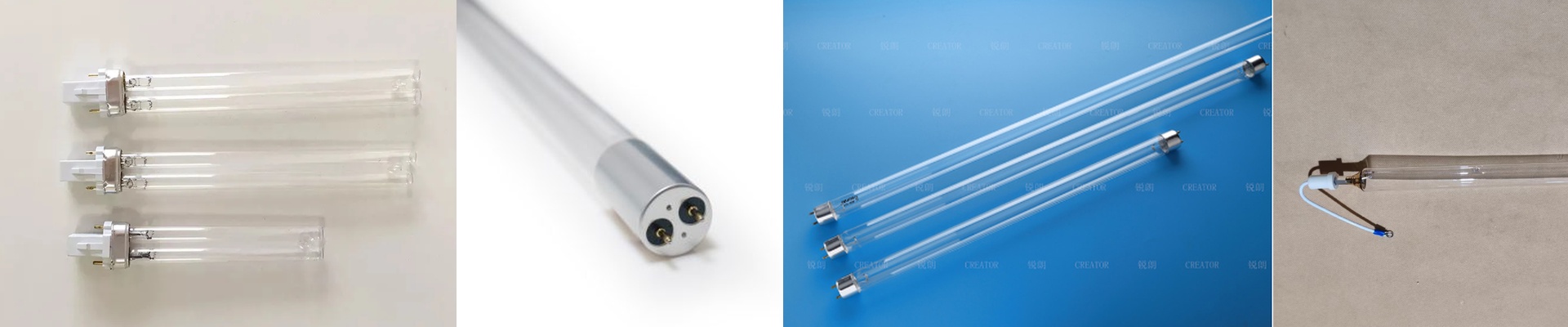
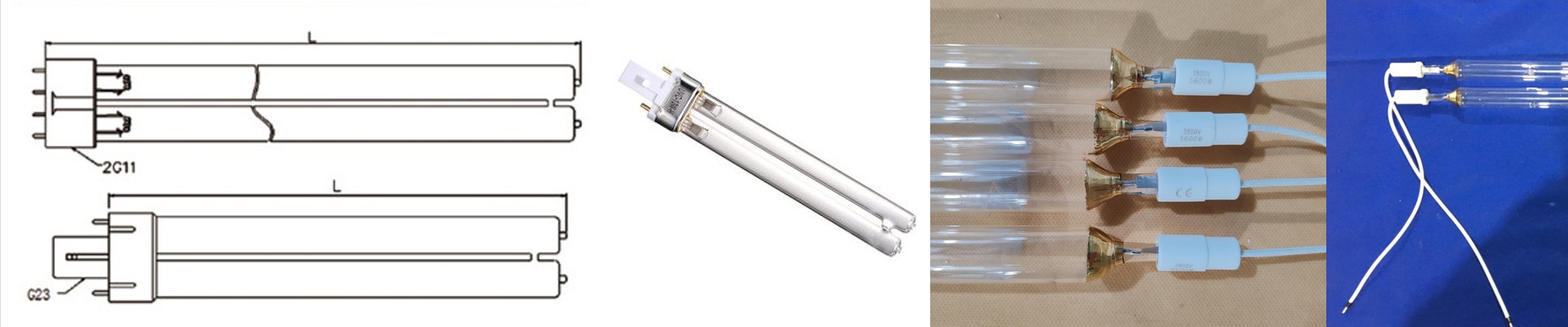
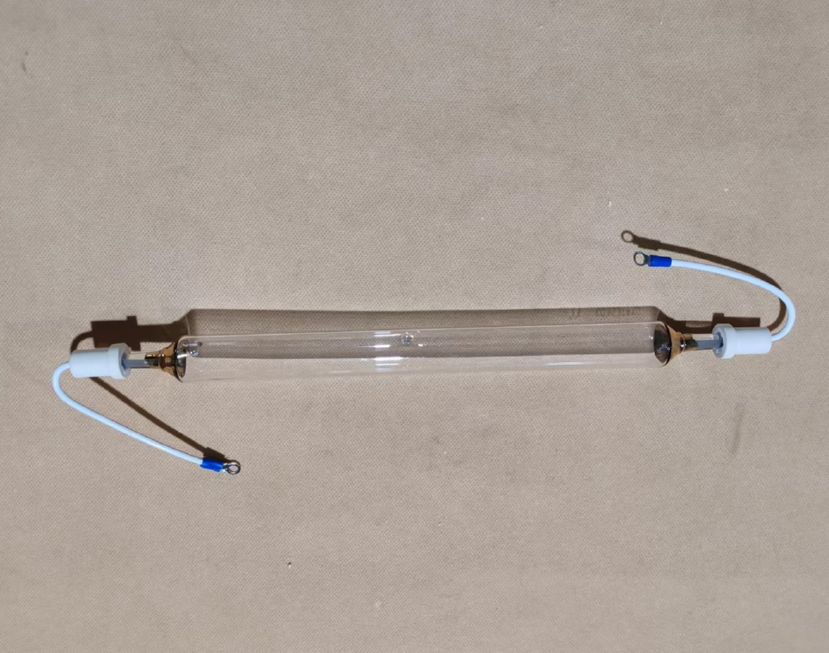
On the press floor, a lamp that wanders in spectral output or loses peak irradiance mid-run isn’t a maintenance item—it’s scrap. We put every UV lamp through a two-hour, 100% power burn-in under full load before it ships, because the failures that show up in the field usually start as weak ignition, an unstable arc, or reflector degradation that only reveals itself after thermal cycling. What matters under the hood The core is a high-pressure mercury vapor discharge, with the dominant spectral peak at 365nm—right where most photoinitiators in offset, flexo, and screen inks absorb cleanly. That wavelength drives fast cross-linking with minimal surface inhibition. Peak irradiance stays steady thanks to tungsten electrode geometry and a reflector set with dichroic coatings that hold reflectance in the UVA band. The payoff is repeatable dose control: you can set cure windows by energy density (mJ/cm²) and keep them consistent, job after job. Why the burn-in is non-negotiable Two hours at full power is how we catch early-life failures—gas impurities, seal integrity issues, or micro-cracks in the quartz—before the lamp ever hits your line. It’s 100% inspection, and it cuts down field variability so yield stays protected. Once it’s running, stable 365nm output means fewer speed reductions to chase a weak cure, fewer off-spec sheets, and less unplanned downtime. You get a predictable lamp life curve and repeatable curing performance, shift after shift. Field-proven details that keep it honest Match lamp power to the reflector and the cure window size. Undersize and irradiance drops. Oversize and you accelerate electrode wear—plus you risk overheating the substrate. Installation counts. Verify reflector condition and lamp alignment; misalignment hits effective dose harder than a small change in lamp-to-substrate distance. And make sure your press interlock and shutter cycle rate are in sync with the igniter. Repeated hot restrike events will come back to bite you.