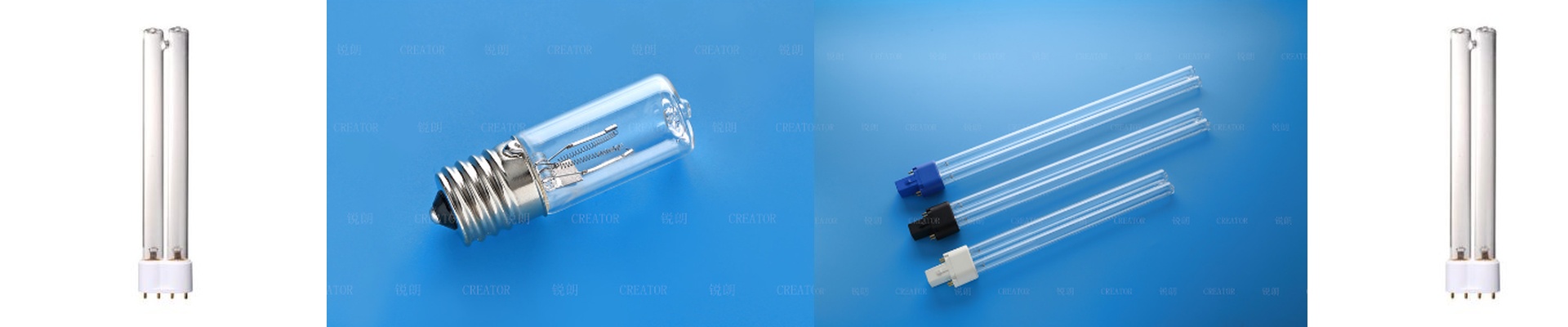
Getting the Most Out of Your High-Pressure Mercury Lamps
If you’re in the printing or coating business, you already know that high-pressure mercury lamps are the old reliable. They do the heavy lifting, pumping out that broad UV spectrum—mostly between 254nm and 365nm—to get your inks and adhesives to set and stay.
The Tug-of-War Between Power and Heat
Here’s the thing about power: we design these lamps to handle a lot of it. When you cram more wattage into a shorter quartz tube, you get a stronger hit of UV on your material. That means your line moves faster, and you get more done. But there’s a catch. More power means more heat. If your cooling fans can’t keep up with that thermal load, your reflectors take a beating. You’ll start seeing the quartz tube degrade, or worse, the lamp just burns out way sooner than it should. It’s a balancing act.
The Nitty-Gritty: Quartz and Electrodes
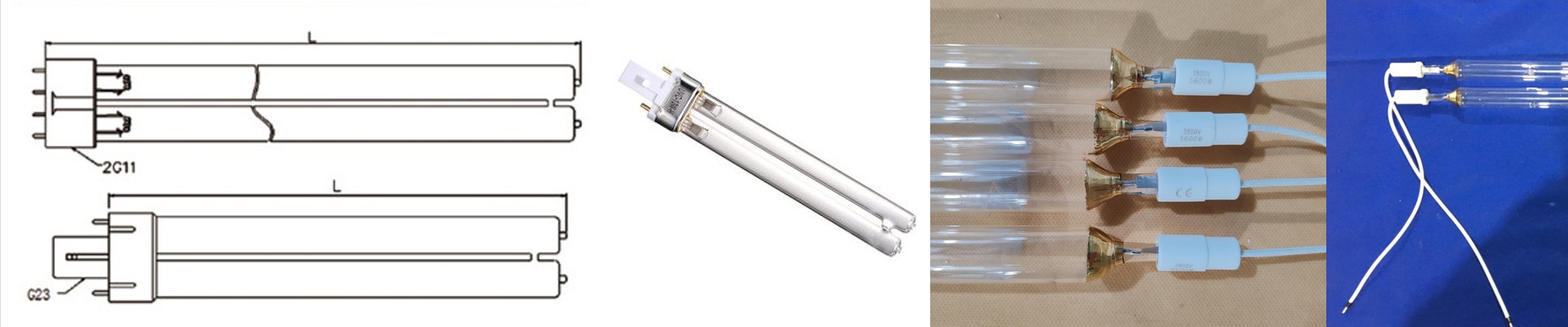
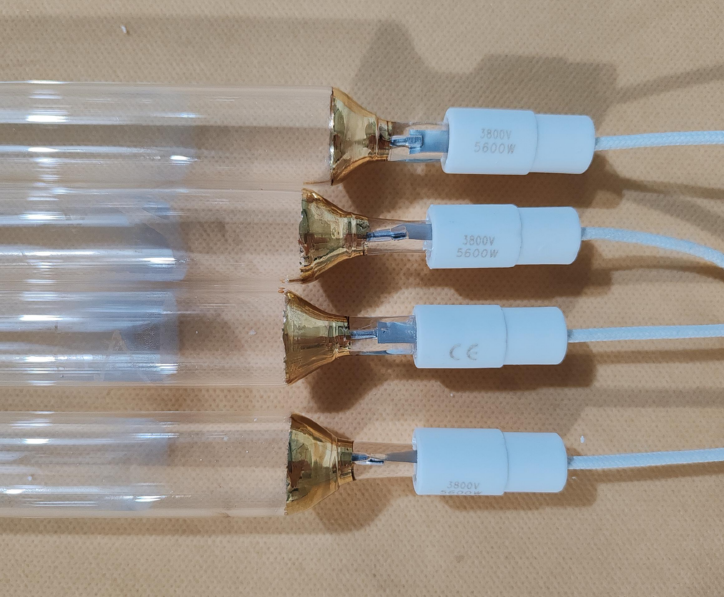
We use high-purity fused quartz because we want as much UV light as possible to get through without getting blocked. Then there are the electrodes. We’ve engineered them to stop “sputtering”—that annoying darkening you see at the ends of the tube. When the arc stays clean, the lamp hits full power almost instantly. And about the fit? We offer different end-cap setups so these slide right into your existing ballast. If the fit is loose, the arc gets unstable, and that’s a headache nobody needs.
Real-World Printing: Speed vs. Life
In high-speed printing, you’re chasing a tricky goal: a perfect cure without scorching your paper or plastic. We don’t just ship you a tube and wish you luck. We’ll help you figure out the sweet spot between how fast you’re running and how long your lamps last. Running a lamp at 100% is tempting, but it kills the lifespan. Instead, try tuning your ballast to the lowest power that still gives you a tack-free surface. You’ll save on electricity, and you won’t be swapping out lamps every five minutes. It just makes the whole maintenance cycle a lot easier to breathe with.