Making UV Lamps That Actually Work (And Save Power)
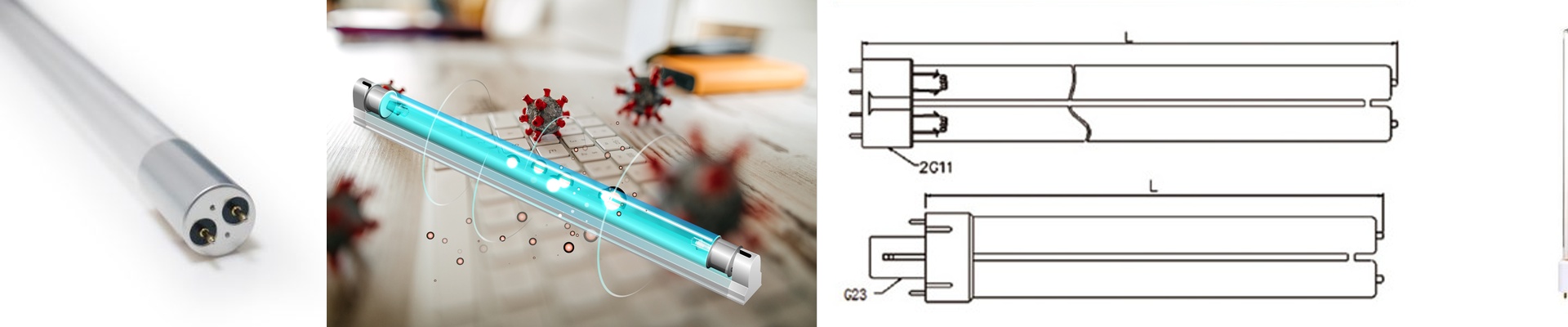
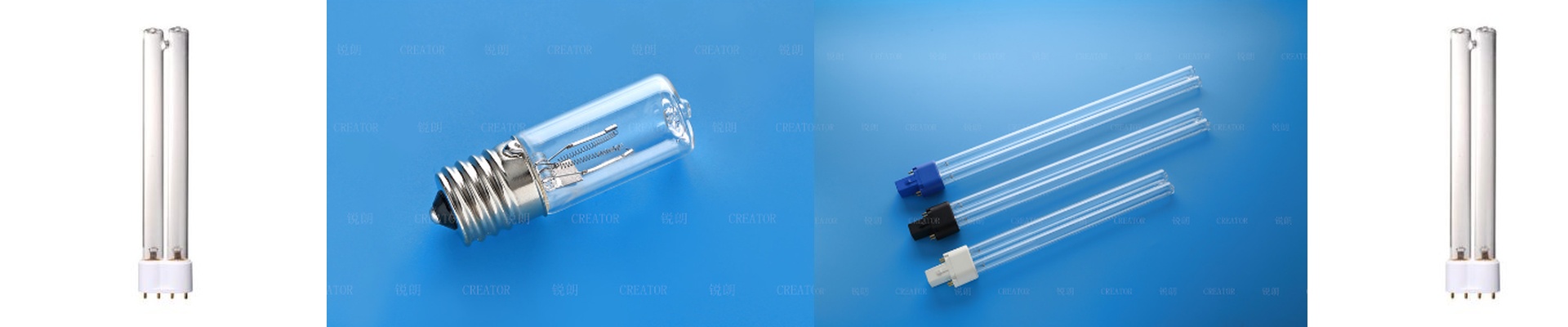
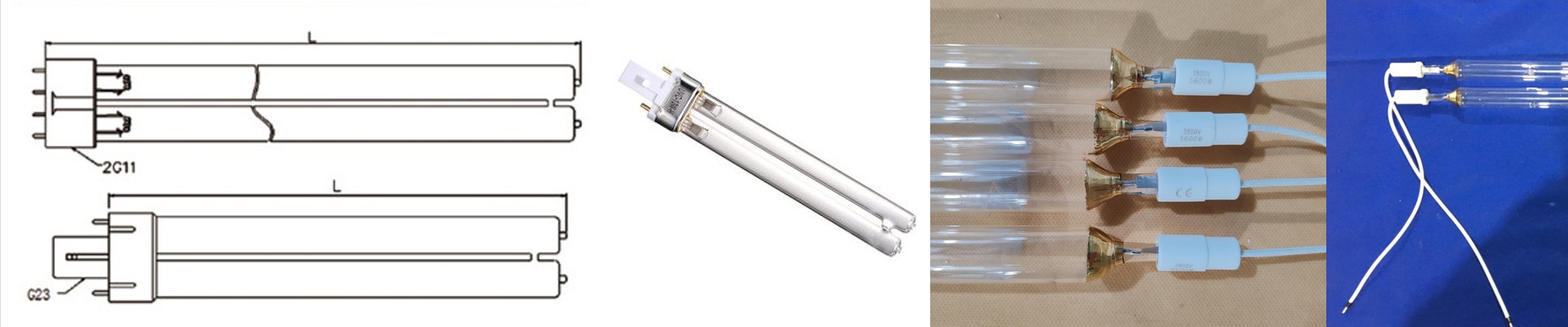
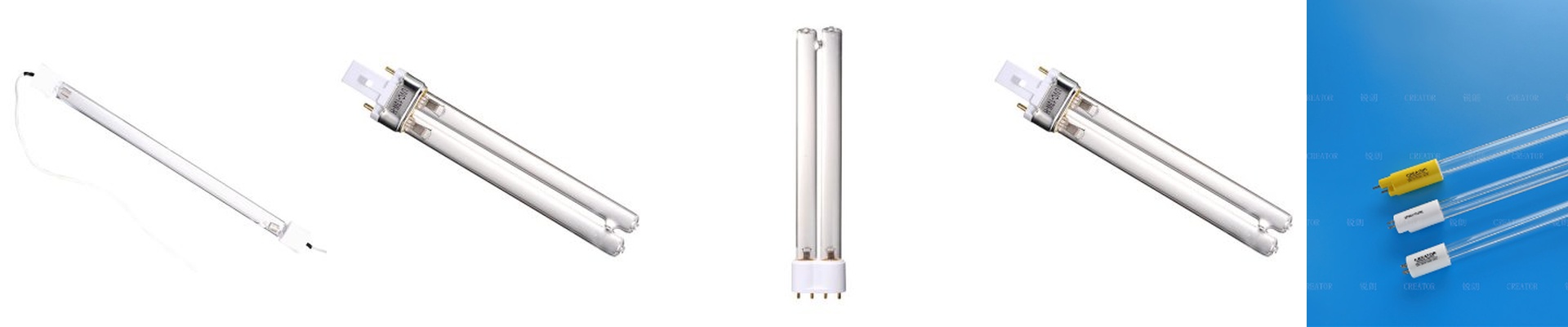
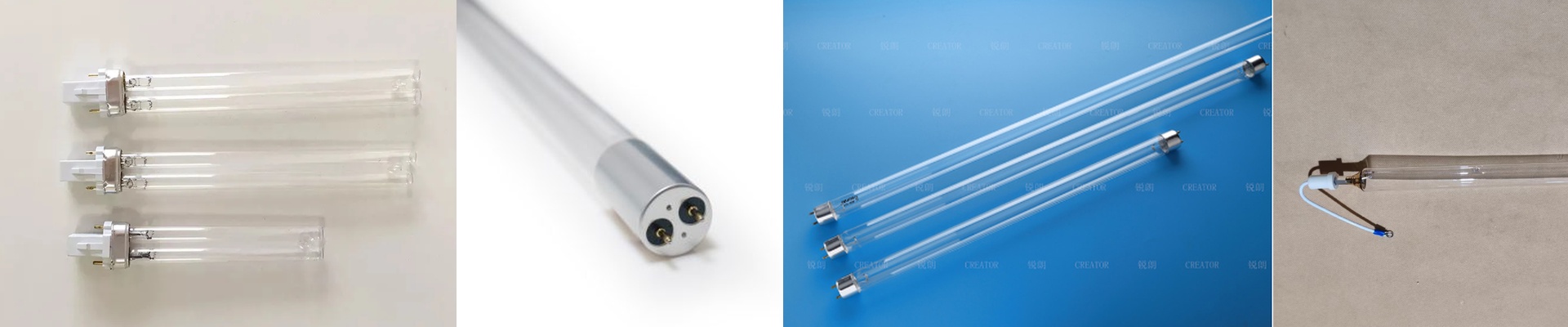
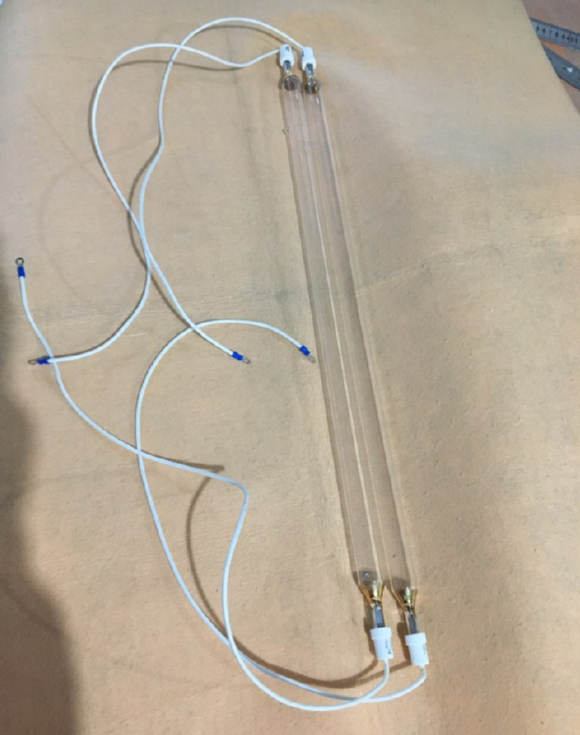
Most people see a UV germicidal lamp and just see a glass tube. But for us, it’s more like a precision tool. It has one job: hit the DNA of a microbe and break it. We spent 15 years figuring this out. We started by just putting other people’s labels on generic bulbs, but we wanted more. We wanted to build something that could go toe-to-toe with the biggest international brands in terms of power and how long they actually last. The struggle with power Here’s the thing about UV design: you’re always fighting a balance. You want that 253.7nm output to be strong, but you don’t want your electricity bill to skyrocket. We spent a lot of time messing with mercury vapor pressure and the way the electrodes are built. Why? Because we wanted to lower the starting voltage without losing any of that cleaning punch. By tweaking the gas fill and the shape of the electrodes, we stopped wasting so much energy as heat. The result is simple. You get the same level of sterilization, but the lamp pulls fewer watts. It’s all about the glass You can’t just use any glass. Standard glass blocks UVC rays, which makes the lamp useless. That’s why we use high-purity synthetic quartz. It’s clear enough to let the radiation pass through and hit the target. But the quartz isn’t the only part that matters. We obsess over the seal where the wires meet the tube. If that seal is off by a fraction, gas leaks out. And when the gas leaks, the lamp dies early. It’s a small detail, but it’s the difference between a lamp that lasts and one that burns out in a few months. Getting them into your system We built these to be easy. You can usually just pop them into your existing industrial arrays and wire them into your current ballasts. No need to redesign your whole setup. Just a heads-up, though. Since these are designed to be more energy-efficient, they’re a bit more sensitive to the current coming from your ballast. If your driver is old or out of spec, it can overheat the electrodes. That’ll kill the lamp way faster than it should. Just make sure your power supply matches the wattage on the tube, and you’ll be golden.