Dealing with Electrical Noise in GaI UV Systems
If you’re running a big print shop with several presses lined up side-by-side, you know exactly how chaotic the electrical environment gets. It’s a lot of heavy machinery pulling power all at once. When those high-power UV lamps kick in together, they create a ton of electromagnetic interference. Basically, they start “talking” to each other in a way that causes problems.
Stopping the Flicker
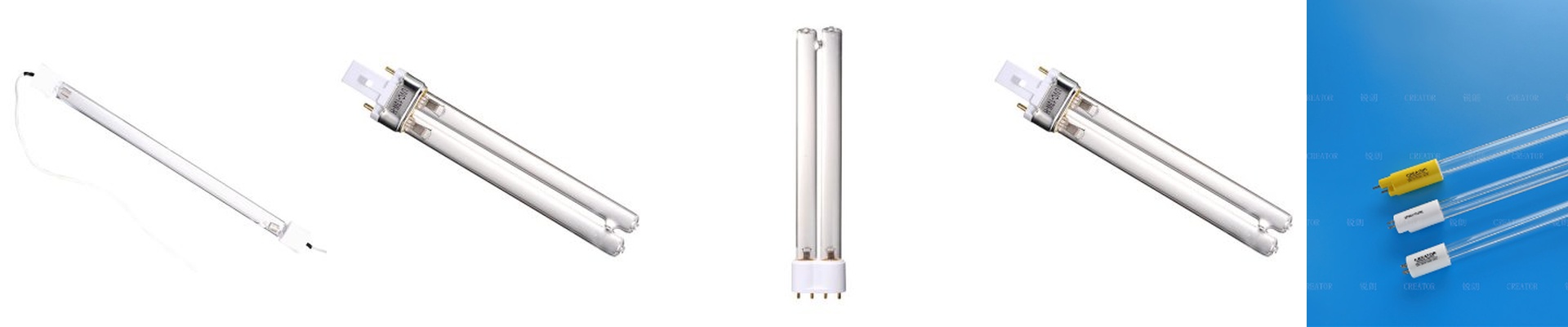
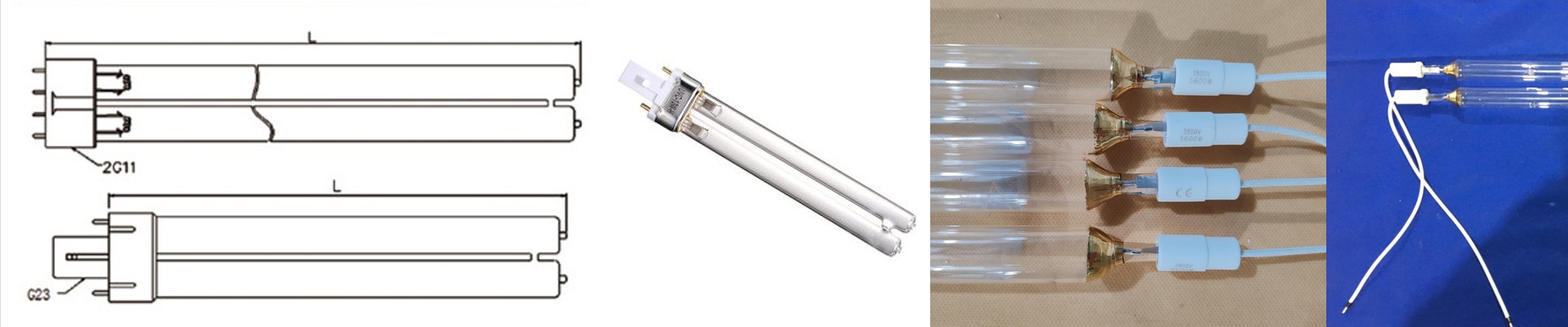
Ever notice your lamps flickering or the output dipping for no apparent reason? That’s usually because they’re picking up noise from the machines around them. We tackled this by beefing up the shielding and making sure the ballast compatibility is spot on. A lot of it comes down to the internal chemistry and how we handle the electrical coupling. We tightened the tolerances on the electrode assembly specifically to stop erratic arcing before it starts. Why bother? Because when you have five or six presses running at full tilt, you can’t afford “wet” spots or weird, uneven gloss on your prints. You need a steady stream of UV light, regardless of how much electrical noise is humming across your shop floor.
The Catch: Heat
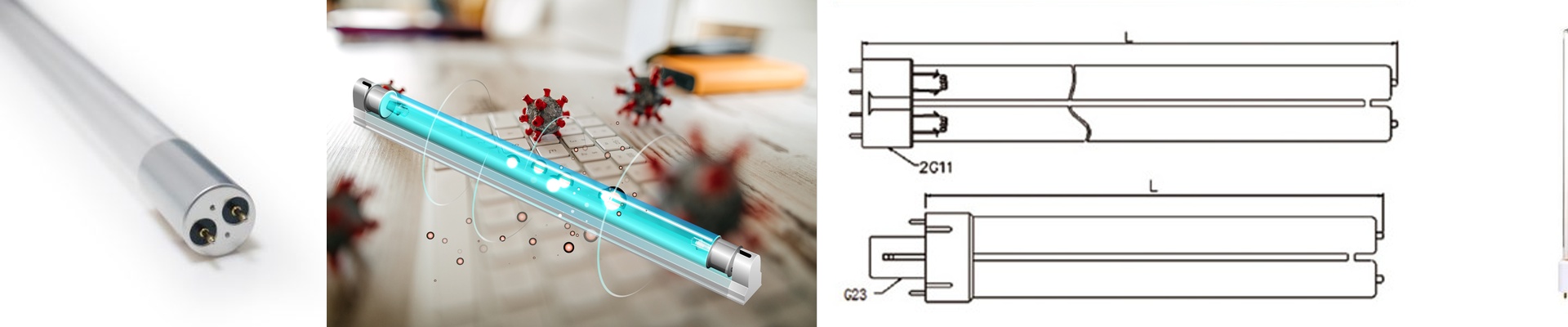
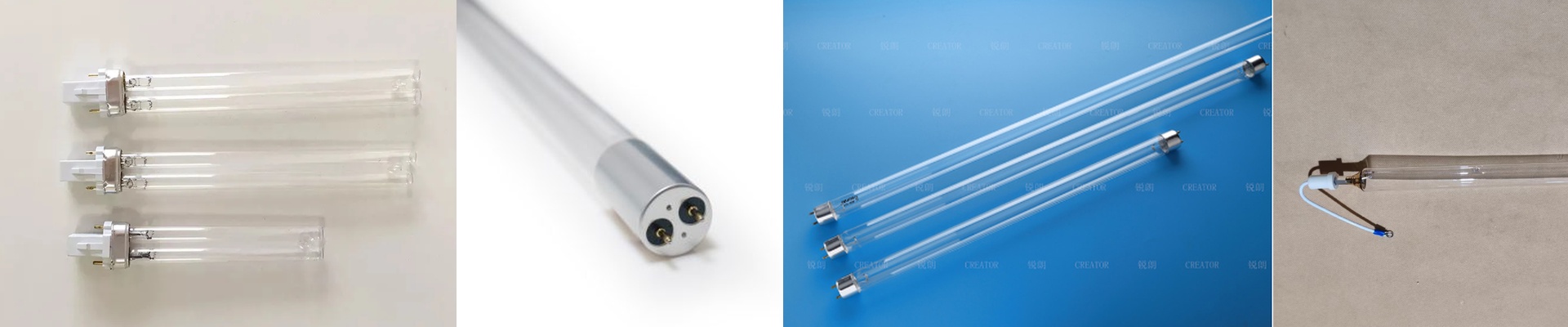
Now, here’s the thing. Stability isn’t magic, and it doesn’t mean you can forget about maintenance. These lamps cram a massive amount of energy into a tiny space. Since we’ve prioritized a stable arc to fight off interference, the thermal load on the quartz envelope is intense. It getshot. Seriously, don’t skimp on your cooling. If your fans aren’t moving enough air, you’re asking for trouble. You’ll either kill the lamp life or, worse, the quartz will stress-crack.
Getting Them Running
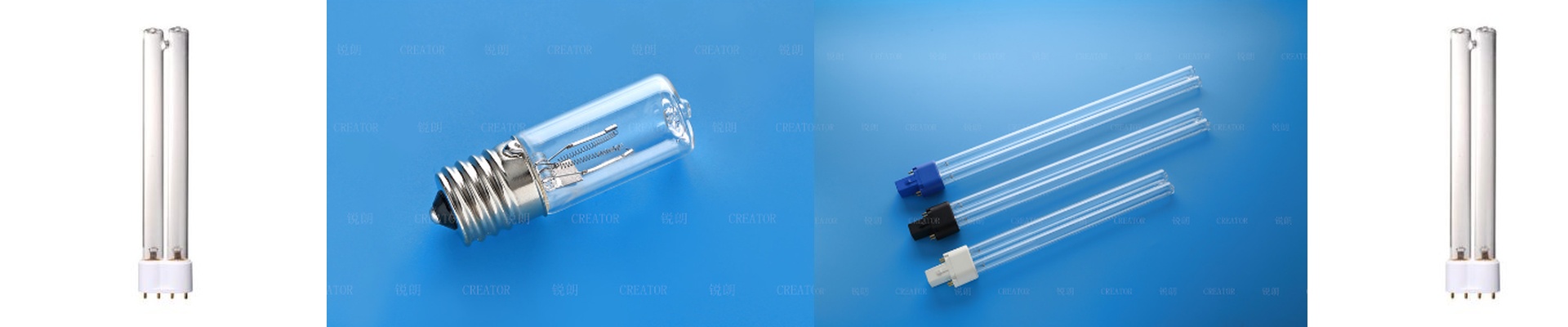
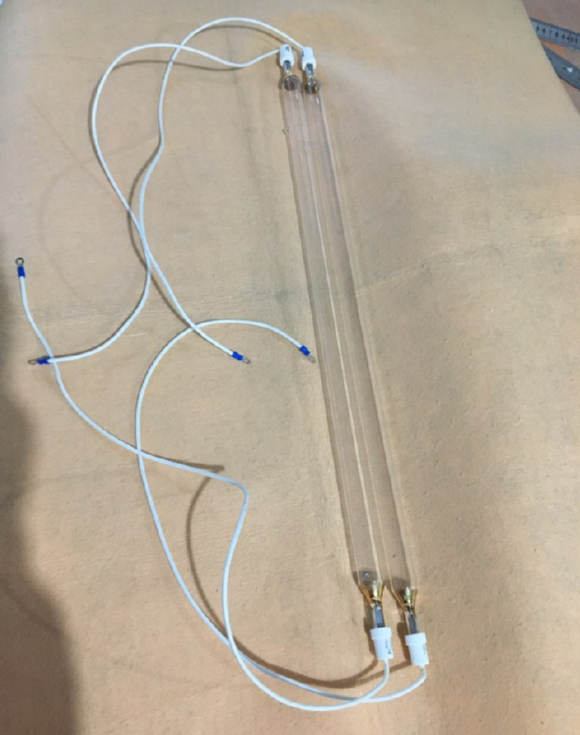
We made these as drop-in replacements for standard GaI setups. You just wire them into your existing controllers and you’re good to go. But once they’re on, you’ll feel the difference. The lamps stop “fighting” with the other equipment. You just get a flat, reliable UV curve across the entire web, every single time.