Getting Gallium Iodide Lamps Down to a 0.5% Spectral Energy Concentration
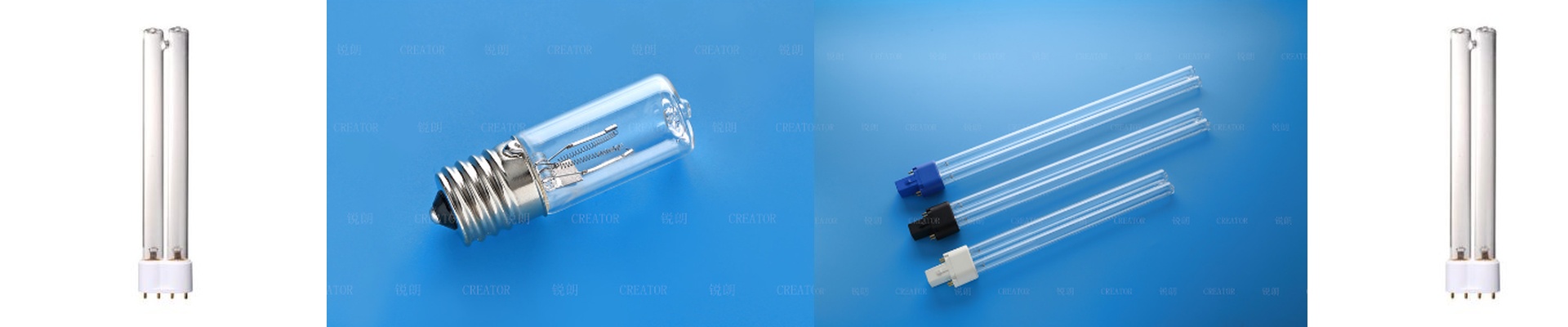
Most UV lamps have a bad habit of “spectral drift.” Basically, the energy spreads out across a wider range than you actually need, which messes with your results. We spent our R&D time fighting that. Our goal? Squeeze that energy into a tight 0.5% window. The struggle with the physics Getting to 0.5% wasn’t a walk in the park. We had to completely rethink the gas fill and how the pressure behaves inside the lamp. Here’s the thing: Gallium iodide is picky about heat. If the lamp gets too hot, that spectral peak starts to shift. To fix this, we played around with the thickness of the quartz envelope and the shape of the electrodes. It was all about spreading the heat evenly. No “hot spots,” no broadened spectrum. Just a clean, tight beam. The trade-offs you should know about We use high-purity synthetic quartz because we can’t afford to lose energy to absorption. Now, using GaI instead of the usual mercury blends gives you that sharp peak you’re looking for, but there’s a catch. These lamps are sensitive.Really sensitive. If your power grid is “dirty,” you’re going to have a bad time. You need a stabilized power supply. If your ballast fluctuates even a tiny bit, that 0.5% precision just vanishes. Real-world use We built these for the tough jobs—those specific chemical reactions where a narrow wavelength is the only way to get the job done without ruining your substrate. The good news? The footprint is a drop-in replacement for standard UV tubes. It fits right in. But wait—check your cooling manifold before you flip the switch. Concentrating energy like this creates a lot of waste heat. If your airflow is weak, the lamp is going to burn out fast. It’s a trade-off. You’re giving up raw wattage for absolute spectral purity. For high-precision curing, that’s usually a deal worth making.