How UV Curing Actually Works (And Why It Matters for Your Press)
In industrial printing, everything comes down to one thing: how fast can you turn wet ink into a solid film? That’s where we come in. We provide the UV energy that kicks off the curing process. Because if that light isn’t steady, you’re looking at smudges, uncured ink, and a pile of rejected batches that eat into your profit. It’s a nightmare.
Finding the Sweet Spot: Power vs. Heat
It’s a balancing act. Sure, you want high-intensity UV output because that means you can crank up your line speeds. But here’s the catch: if you just blast the wattage to move faster, you’re going to cook your substrate. Nobody wants scorched material. We spend our time balancing that power density. The goal is to get the ink fully cured without burning the product. You just have to make sure your conveyor speed matches the lamp’s peak intensity. If they’re out of sync, you’re going to have under-curing issues.
Built to Take a Beating
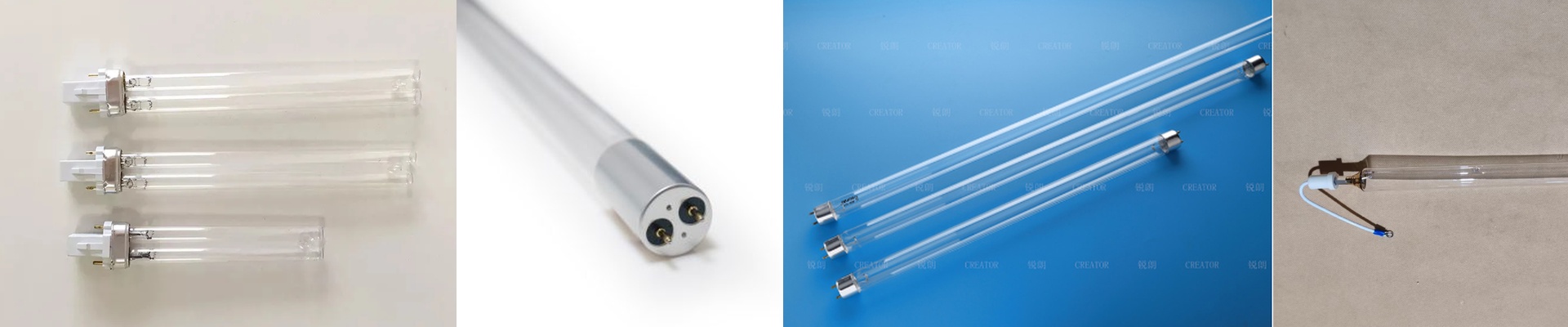
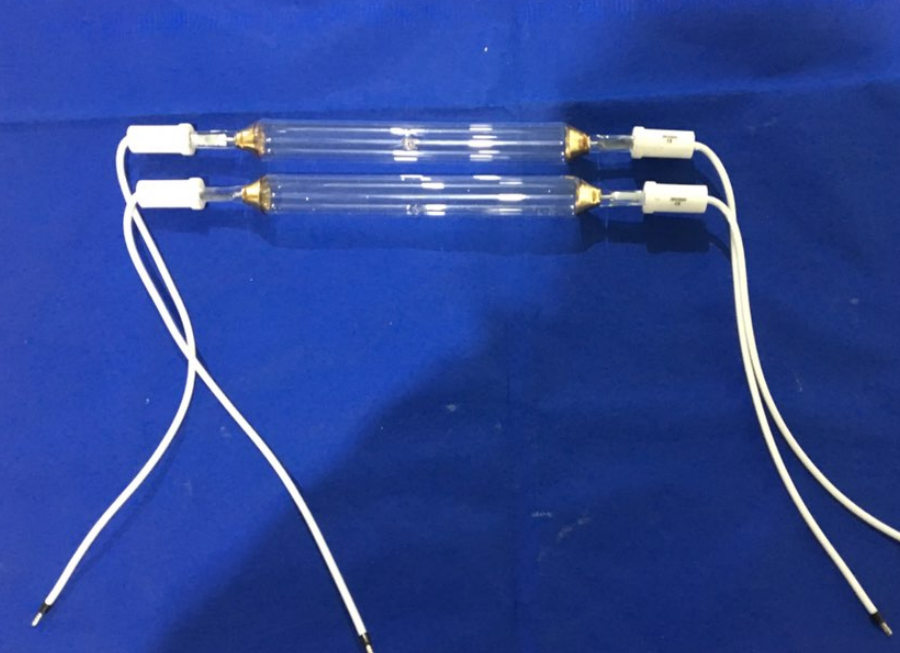
Production lines don’t stop. They run 24/7, and that’s brutal on equipment. That’s why we use high-grade quartz glass. It lets the UV light through without absorbing it, which keeps the system efficient. We also obsess over the gas purity and electrode stability inside the tube. Why? Because it stops the lamps from burning out prematurely. Then there’s the heat. High-output UV systems gethot. Like, really hot. If your cooling fans or water jackets aren’t up to the task, the lamp temperature spikes. When that happens, your UV output drops and your tube dies way sooner than it should. We design our gear with plenty of room for airflow so the heat can actually escape.
Plugging In and Getting to Work
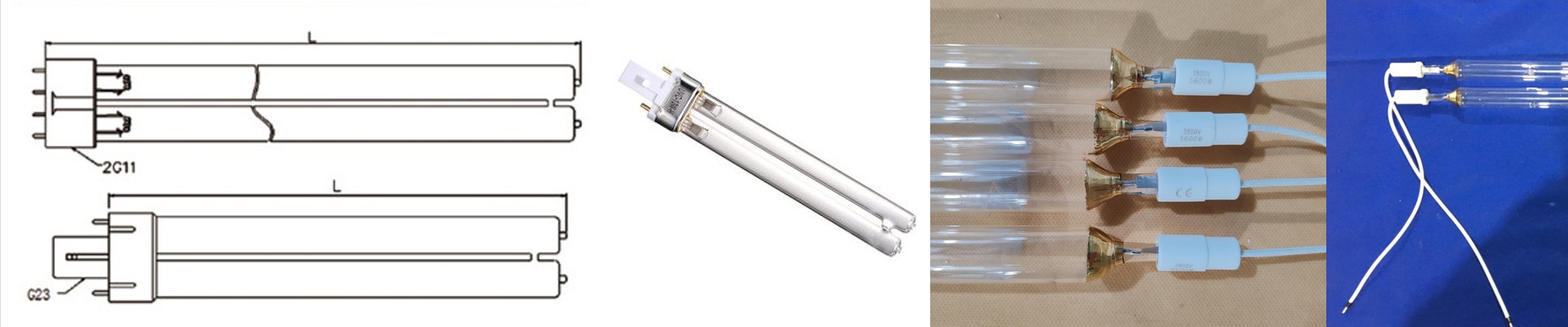
We didn’t want you to have to rebuild your entire power cabinet just to use our lamps. So, we build them as drop-in replacements. They fit standard industrial Press dimensions and use the same electrical interfaces you’re already using. You just wire them up and go. Plus, we focus on keeping the light arc stable. When the arc is steady, you don’t have to swap out lamps nearly as often. And since every lamp change is basically forced downtime, fewer swaps mean your press keeps running. That’s a win for everyone.