Getting High-Power UV Without the Insane Price Tag
UV-C lamps are basically a game of physics. You’re trying to break the molecular bonds of germs, and to do that, you need a very specific kind of power. The trick is finding that sweet spot where the lamp actually works, but doesn’t cost you a fortune to run your business.
The secret is in the glass
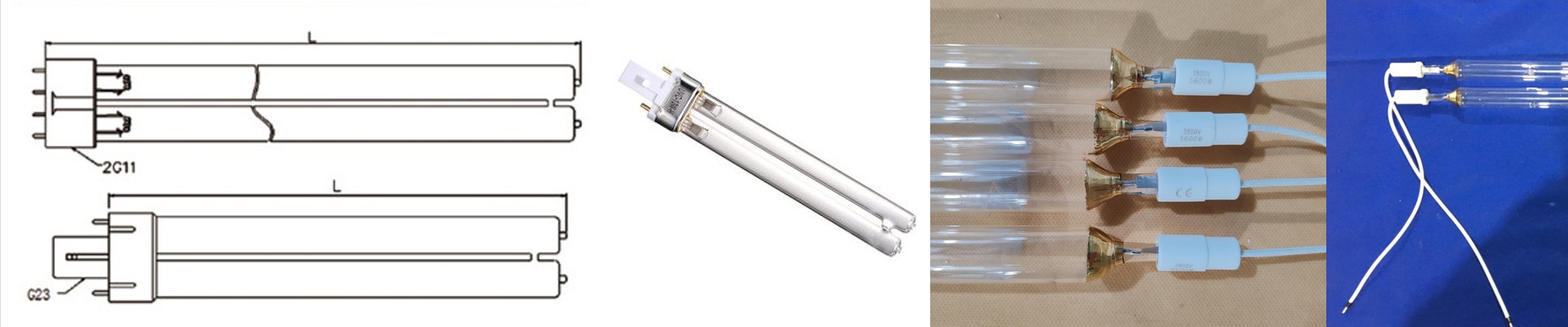
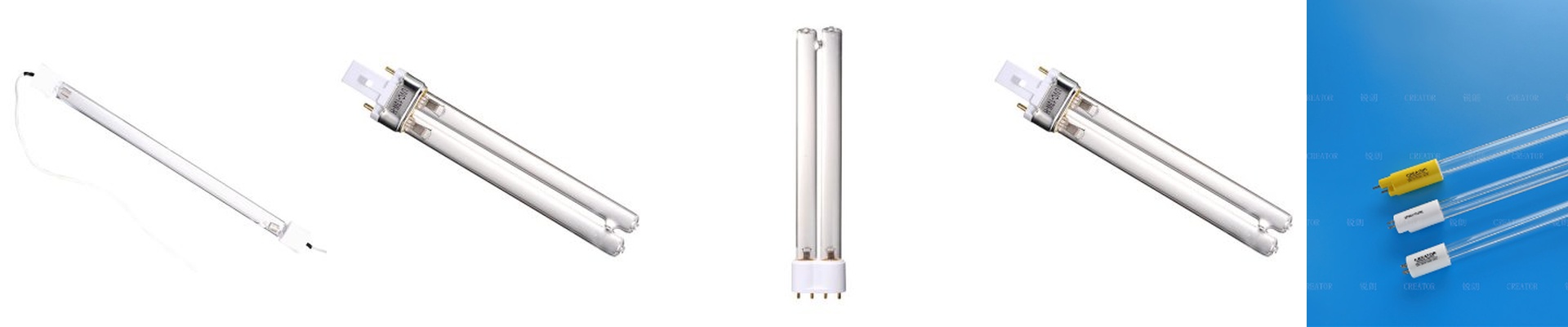
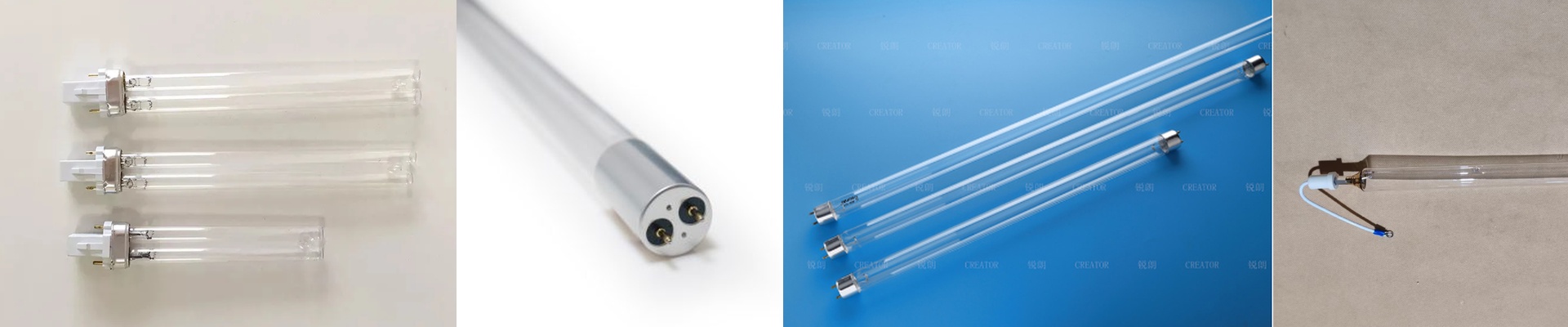
Most of our lamps use low-pressure mercury vapor. Now, the real hero here is the quartz envelope. We use high-transmittance fused quartz because it lets those 253.7nm waves slide right through. Here’s the thing: if the quartz isn’t pure, the glass just soaks up the energy. That makes the tube overheat and burn out way too fast. You want a lamp that puts out a steady stream of power from one end to the other, not something that flickers or fades.
Why we do it all ourselves
We don’t like middlemen. We handle everything—from sourcing the raw quartz to sealing the electrodes. By keeping the phosphorus coating and the gas filling in-house, we can keep the price per unit low. We aren’t cutting corners on the vacuum seal or the quality; we’re just cutting out the people who take a cut of the profit without adding any value.
A few things to watch out for
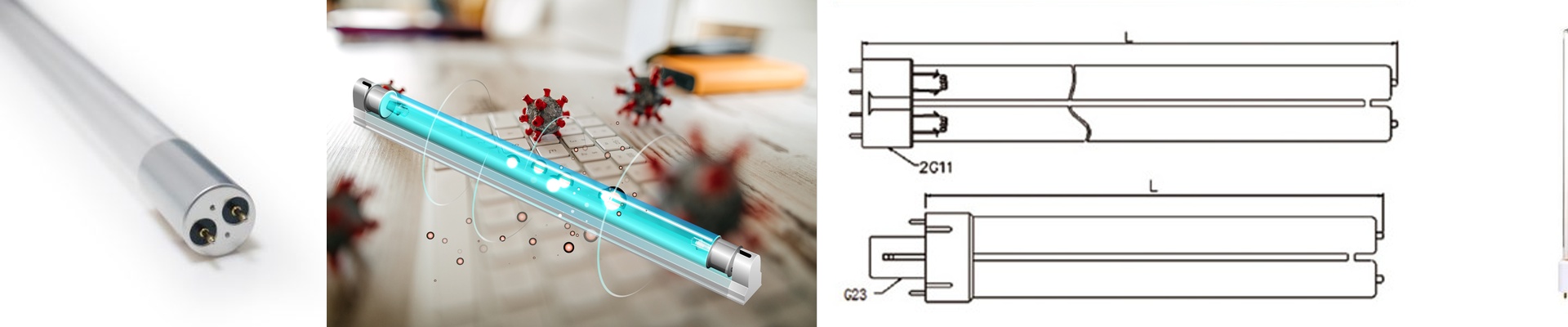
High-output lamps get hot. It’s just how they work. If you cram these tubes into a tight chassis without any airflow, the temperature spikes. When that happens, the emission peak shifts away from that magic 253.7nm mark, and suddenly, your “kill rate” drops. You’re paying for power you aren’t actually using. And please, do yourself a favor:match your ballast to the lamp’s strike voltage. I’ve seen people try to save a few bucks with off-brand ballasts, and it’s a disaster. It causes electrode pitting, which can tank your lamp life from 8,000 hours down to 3,000. It’s just not worth it. Our tubes are designed to drop right into most industrial sterilization rigs. You get the heavy-duty technical specs you need for medical-grade cleaning, but at a price that actually makes sense for your budget.