Getting Your Bulk UV Lamp Setup Right
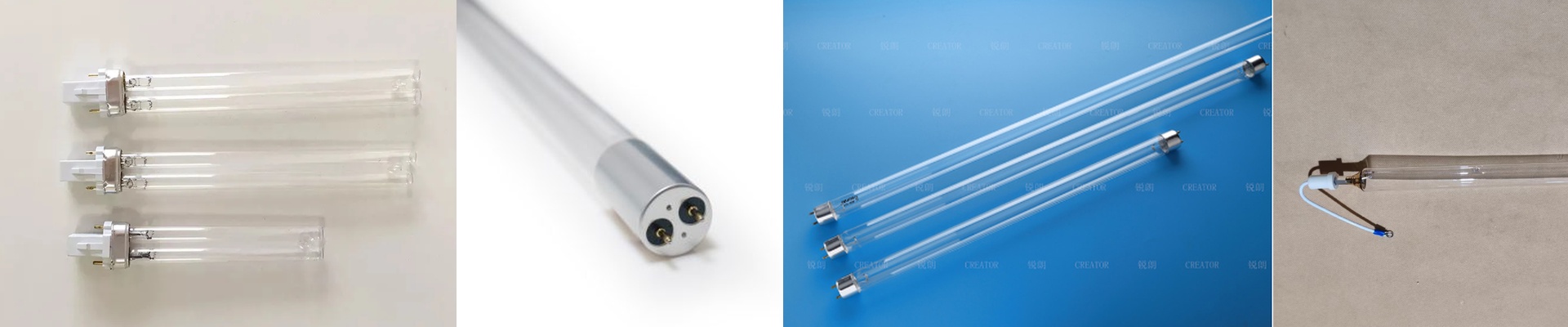
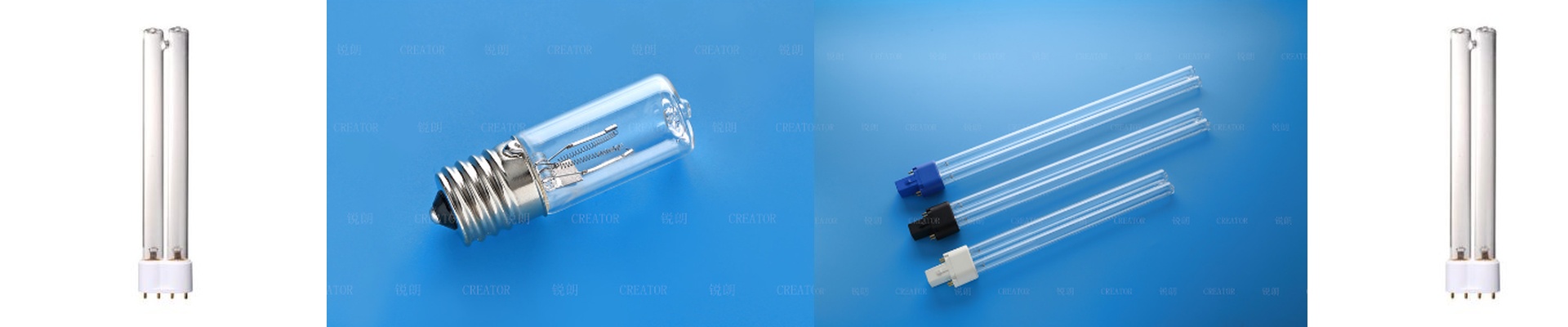
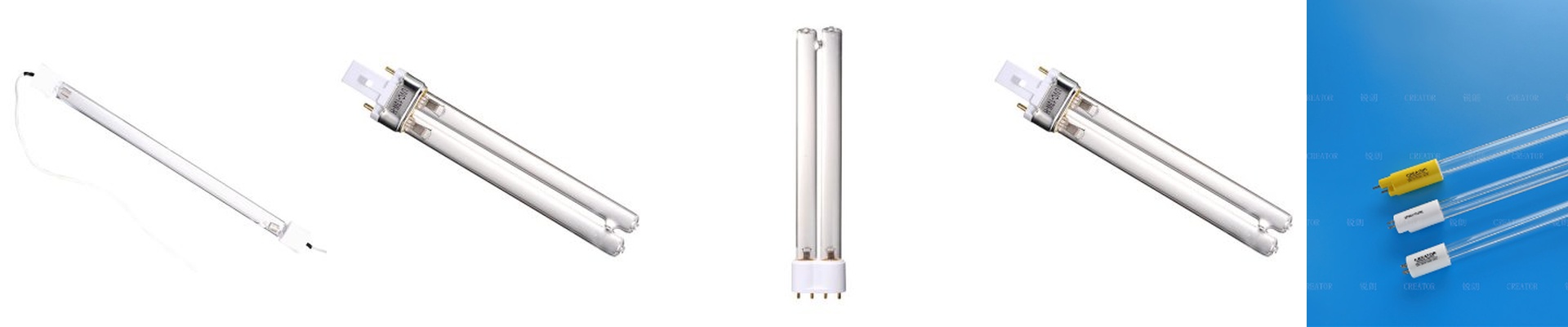
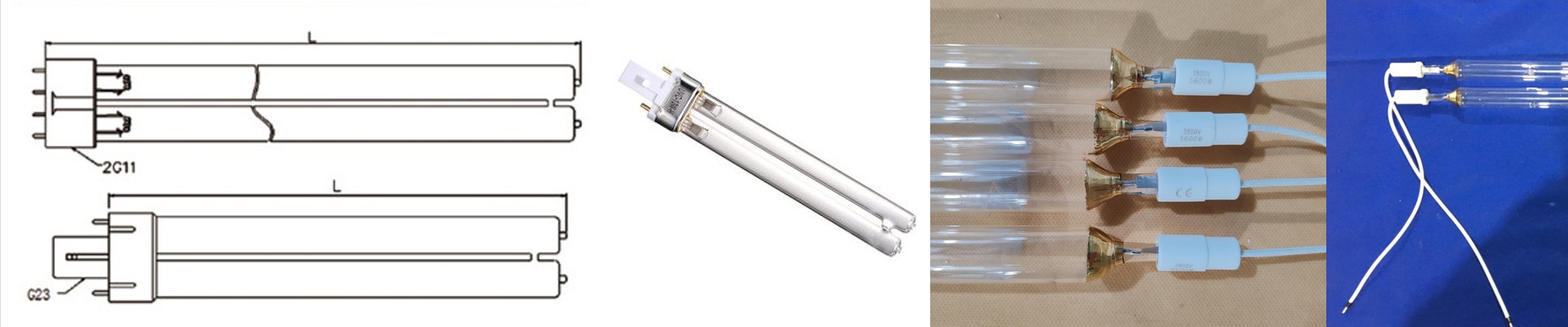
Buying UV bulbs in bulk is about more than just filling a shelf. It’s really about making sure your entire production line stays consistent. If you’re in printing or curing, you already know the struggle. One slightly off bulb and you’re staring at a tacky, unfinished mess instead of a clean, cured surface. It’s a headache nobody wants. The nitty-gritty on wavelength Most of these bulbs hit that 253.7nm sweet spot in the UVC spectrum. We keep the tolerances tight because when the output drifts, everything slows down. You’ll start seeing under-curing on your materials, and suddenly your timeline is shot. Now, you might be tempted to just crank up the wattage to speed things up. Sure, more wattage means more photon flux, but it also means more heat. If your cooling fans can’t keep up, you’re just cooking your lamps and cutting their lifespan short. It’s a balancing act. Quartz and the “cheap bulb” trap We use high-transmittance fused quartz for a reason. Regular glass just blocks UVC, but quartz lets it fly through. Here’s the thing: most cheap bulbs fail right at the seal between the quartz and the electrodes. We reinforce those joints so you don’t have to worry about gas leaks. When you’re plugging these in, give your sockets a quick clean. A little bit of oxidation on the pins creates resistance, and that’s how you end up with a burnt-out base. Dialing in your process These lamps usually drop right into most industrial rigs without any fuss. But remember, UV intensity fades over time. Don’t trust the power indicator on your ballast—it can lie to you. It’s much better to actually measure the microwatts per square centimeter ($\mu W/cm^2$) right at the substrate. Plus, keep an eye on your plastics. High-output bulbs cure fast, but if the exposure time is too long, they can actually eat away at the polymer chains. You’ll end up with yellowing. Just tweak your conveyor speed until the dose feels right.