Getting Your UV Lighting Right
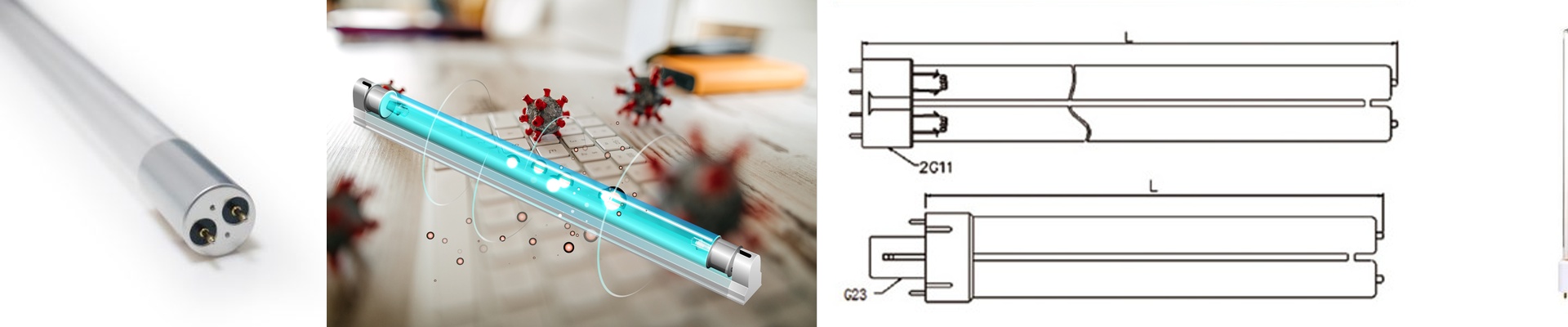
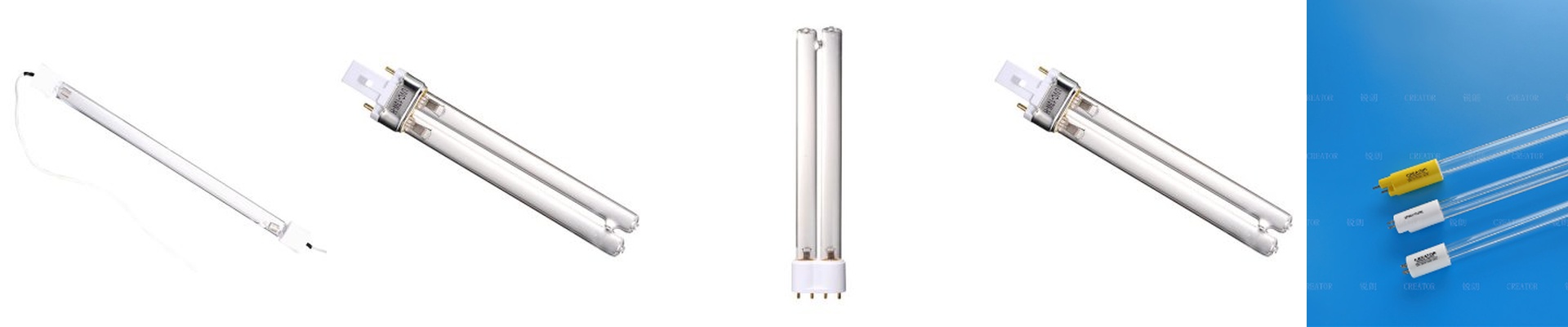
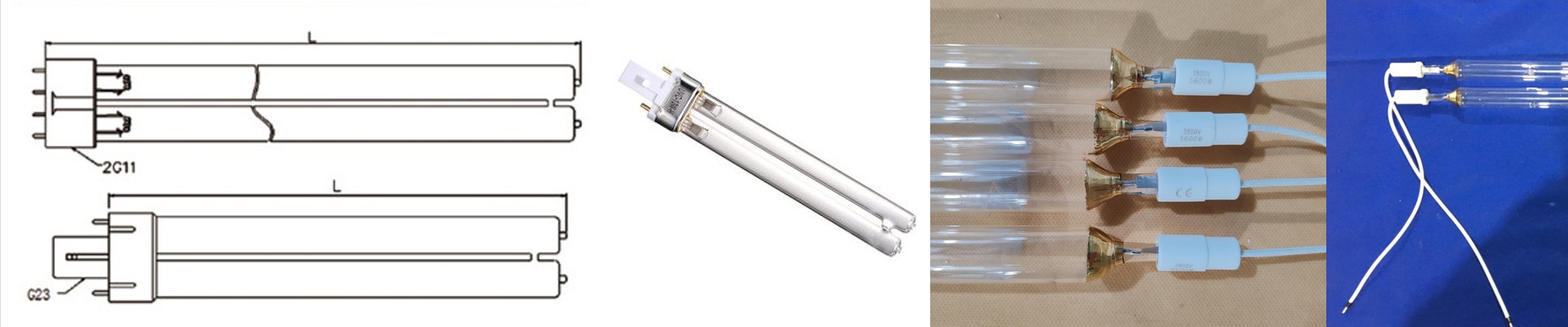
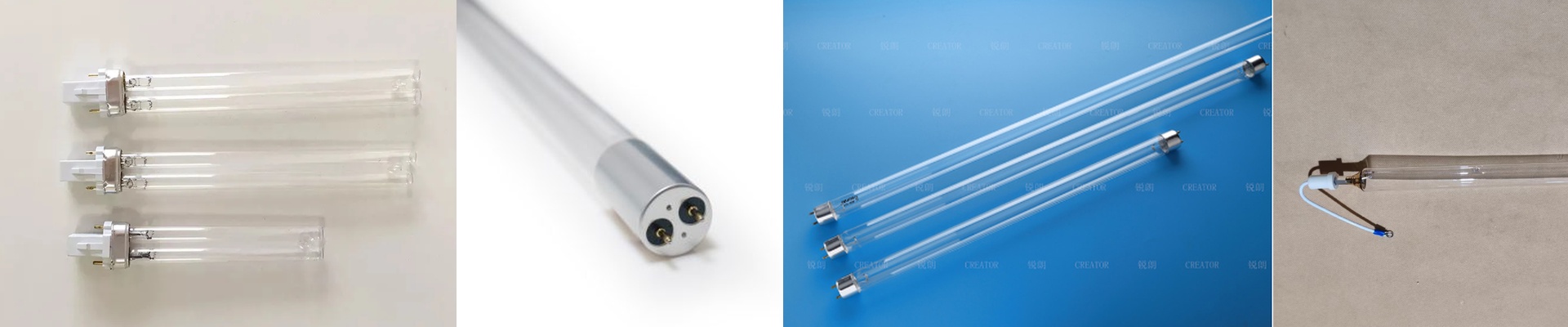
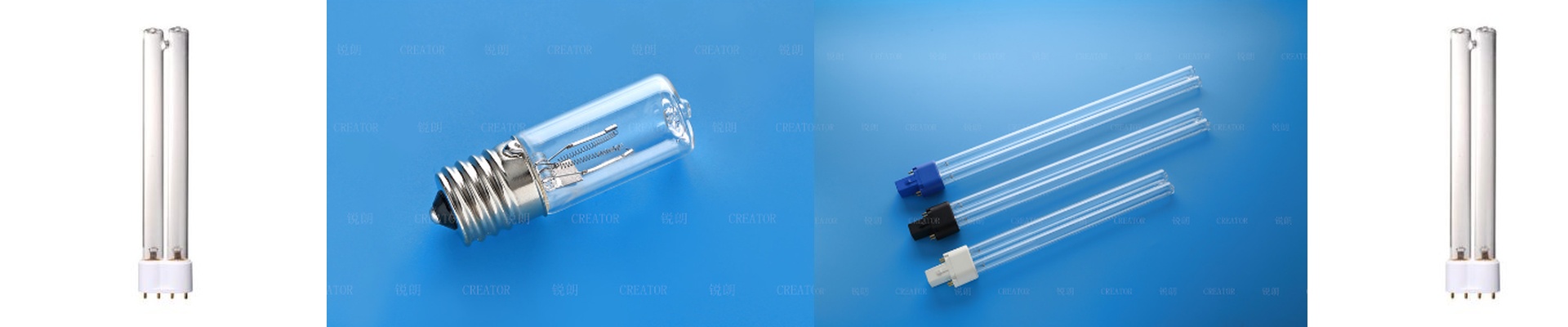
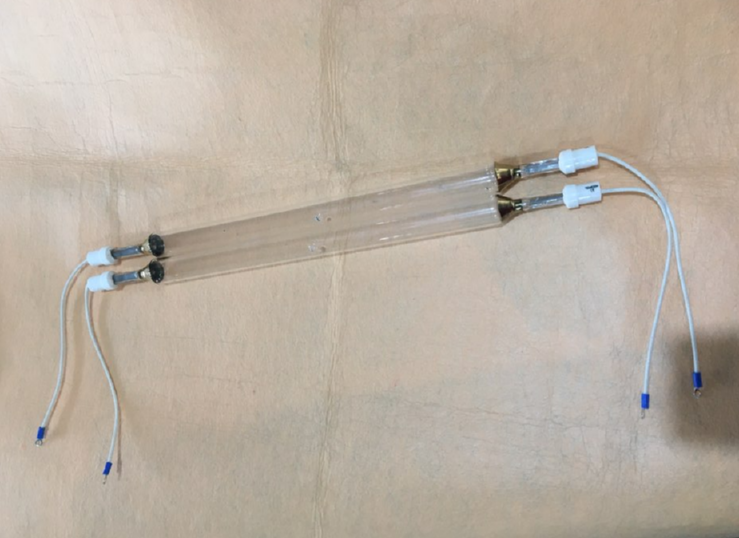
When you see a vibrant, high-speed print coming off a line, there’s a bit of science happening behind the scenes. That “glow” isn’t just for show—it’s a precise chemical reaction triggered by shortwave UV radiation. We build our lamps to hit that exact sweet spot of energy needed to cure ink and kill germs fast. The balancing act: Power vs. Heat Most of these germicidal bulbs peak at 253.7 nm. When you’re ordering these in bulk for a production line, you’re basically juggling wattage and tube length. Higher wattage means more irradiance (mW/cm²), which is great because it speeds everything up. But there’s a catch. If you cram too much power into a short tube, things get hot. Really hot. If your cooling fans can’t keep up with that heat, your bulbs are going to burn out way sooner than they should. Why the materials matter We use high-purity fused quartz for the glass envelope. Why? Because regular glass actually blocks UVC. Quartz lets it slide right through. We also toughen up the electrodes so they can handle thousands of start-stop cycles without wearing down. For those of you doing big installations, we keep the footprint tight. They’re designed to be drop-in replacements. As long as your voltage and amperage match, you can just pop them in without having to mess around with your ballast wiring. Real-world shop floor tips These lamps do more than just sanitize. In the printing world, they’re what lock those pigments into the material instantly. The trick is wiring them in arrays so the coverage is even across the whole web. If you start seeing “striping” in your finish, don’t panic. Usually, it just means a bulb has drifted in output or it’s slightly crooked. Here’s a pro tip: don’t swap the whole bank of bulbs at once. We recommend a staggered replacement schedule. It keeps the energy density consistent across the line and saves you from a massive maintenance headache.