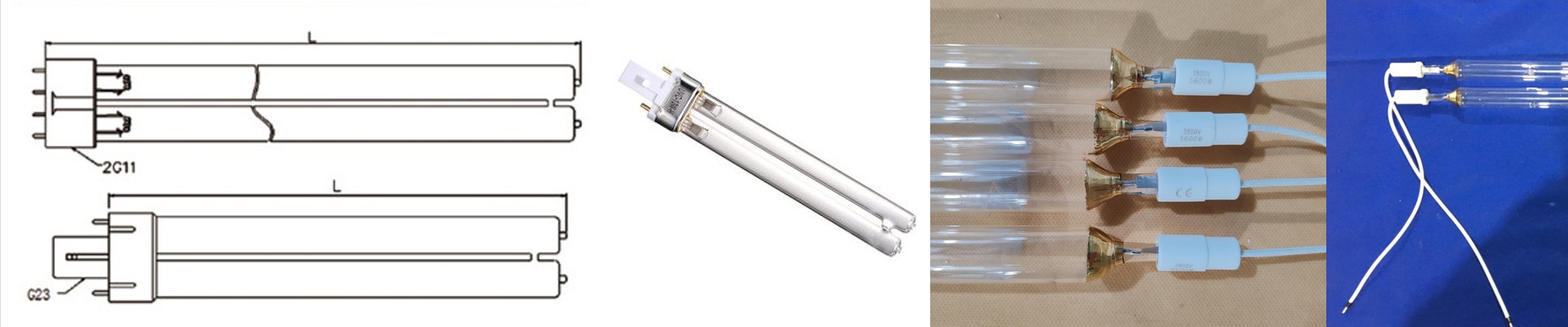
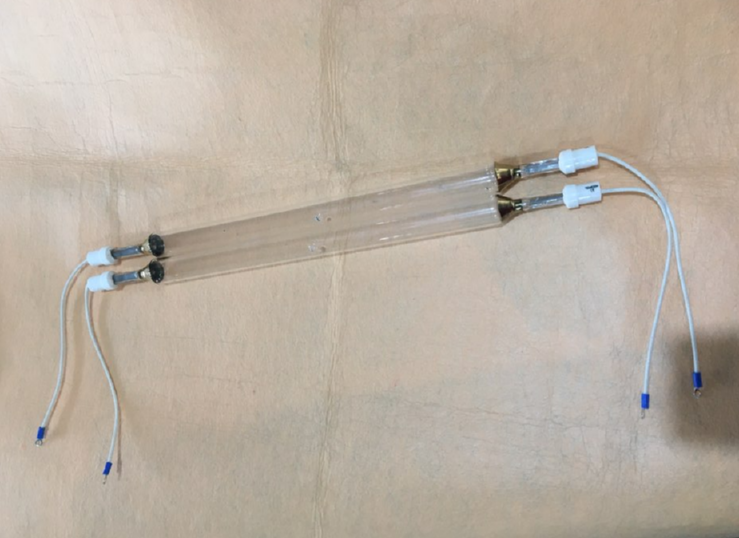
On a flexo press, a lamp that drifts in spectral output or can’t hold peak irradiance does more than slow you down. It wastes ink, chews up substrate, and drops your Cpk below spec. We put every UV lamp for flexo through a full two-hour burn-in at full power before it leaves our shop. It’s how we keep quality tight and keep your run rate protected. What actually matters, technically Flexo UV inks cure when the photoinitiators get hit right—usually around 365nm and 385nm—and you need stable peak irradiance across the whole web. Our medium-pressure mercury vapor lamps are built around consistent spectral output, with dichroic reflectors that shape the beam and keep energy density on target. We spec lamps to deliver the required mJ/cm² at line speed, whether you’re running low-viscosity inks or laying down thick opaque whites, and we do it while staying ozone-free. The two-hour aging test forces out early failures, settles the arc, and gives you a repeatable baseline for output and lamp life. Why this matters on the floor A press doesn’t forgive variability. When a lamp has been burned in at full power, you get predictable cure on the first pass, fewer web breaks, and density that stays put run after run. That means less scrap, consistent inter-color registration, and fewer wash-ups caused by incomplete cross-linking. You also protect uptime by stretching replacement intervals and cutting surprise stoppages—exactly the kind of stability you need when the schedule is measured in press hours. Here are the practical things to keep straight Match lamp power and spectral profile to the ink and substrate. Overspec can cause surface quenching; underspec leaves you with tack. Double-check reflector alignment and cooling airflow. Lamp temperature directly impacts output stability. Expect output to decay over time. Plan replacements based on measured energy density, not a calendar. And confirm electrical compatibility at the socket—connector type and voltage tolerance—so you don’t lose ignition or get contact arcing.