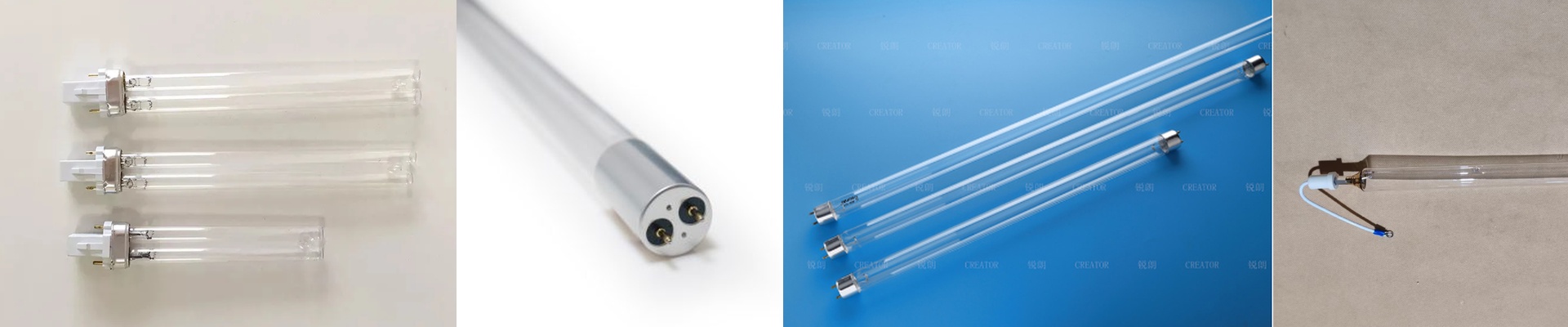
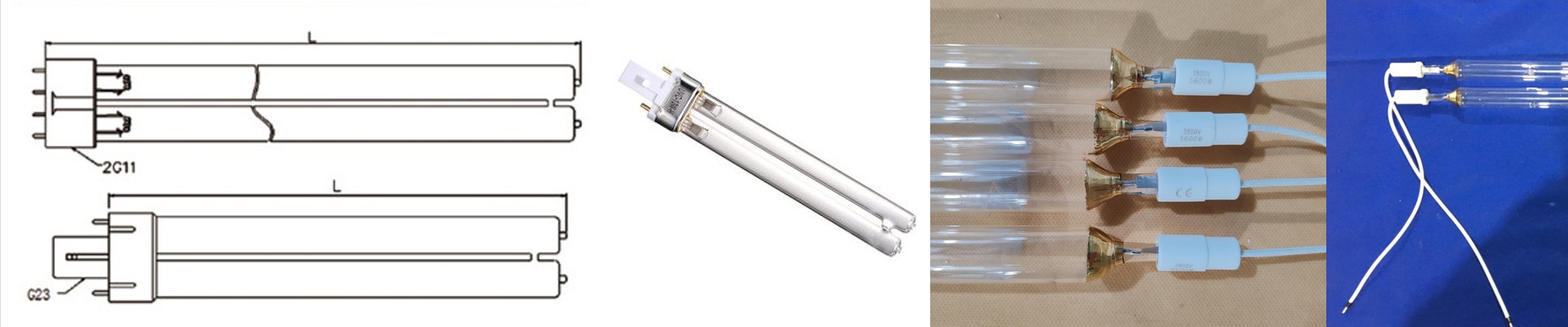
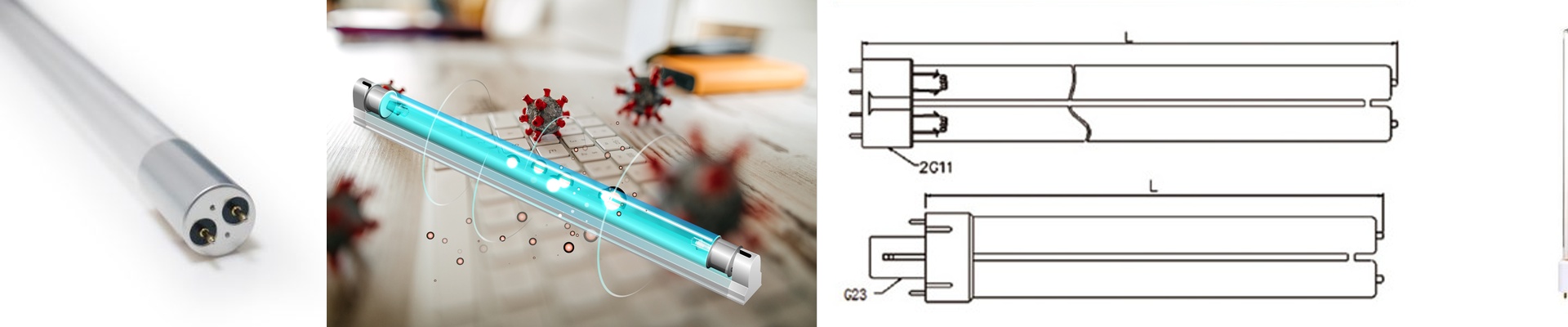
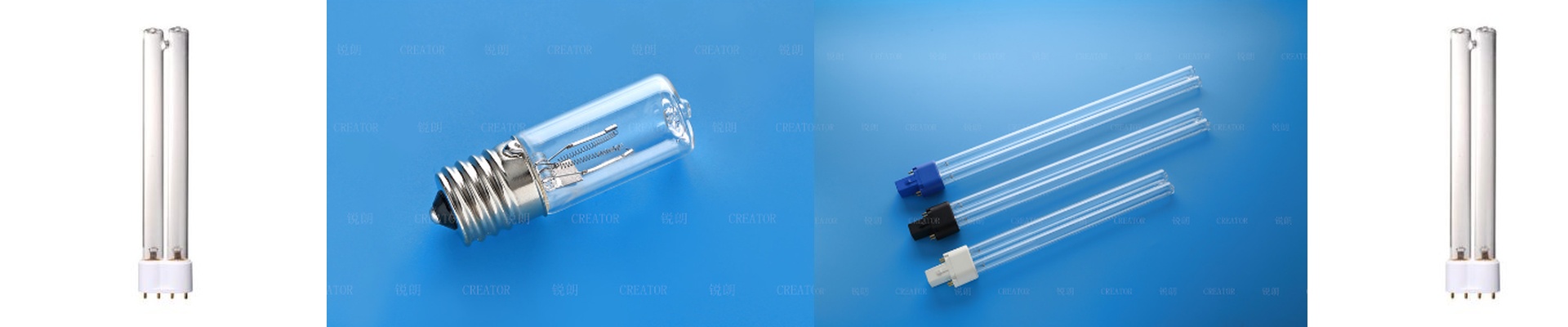
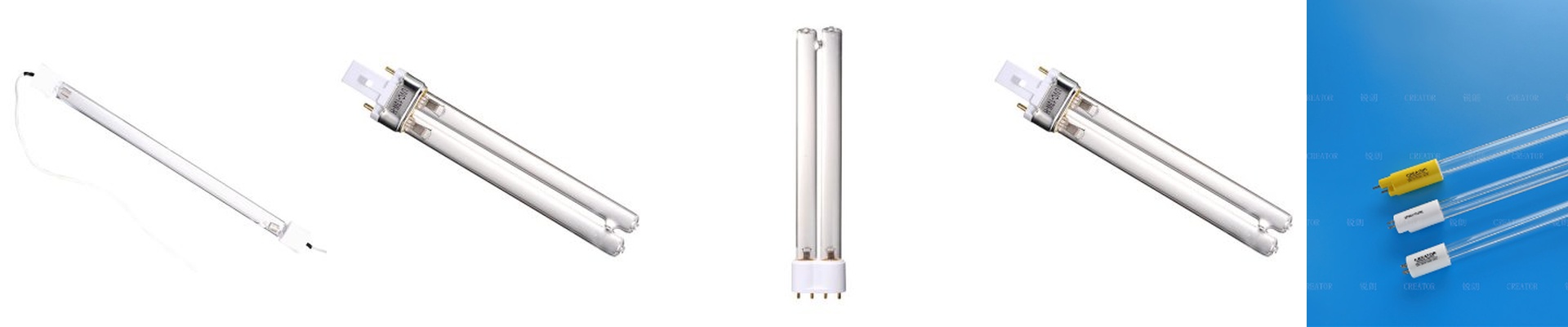
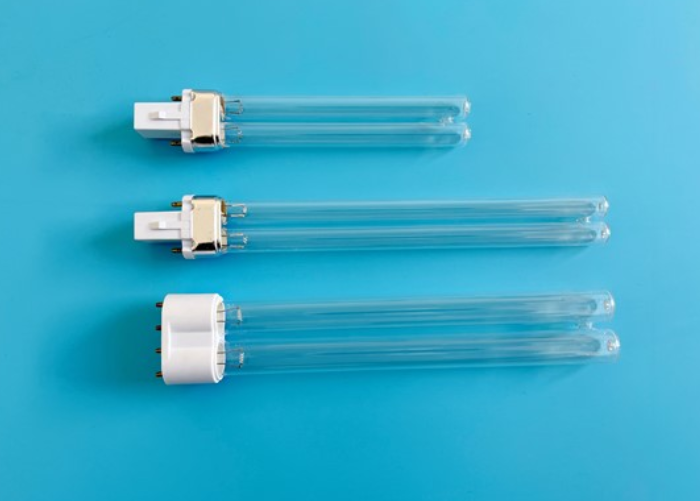
We spent some time visiting 3,000 different printing plants. Why? Because we wanted to see where UV systems actually fall apart in the real world. What we found was pretty simple: most off-the-shelf lamps just aren’t built for the chaos of a production line. They can’t handle the constant shaking or the brutal heat soak. So, we went back to the drawing board and focused on two things: keeping the temperature steady and making sure the wavelength stays exactly where it needs to be. The heat struggle Here’s the thing about industrial curing. To get the ink to set, you need a specific amount of power. We measure our tubes by the wattage per centimeter to make sure you’re getting that “punch” needed for thick coatings. But there’s a catch. More power means more heat. If you just crank it up without the right cooling blowers, you’re asking for trouble. Your quartz envelope will literally crack. It’s a balancing act. Picking the right glass We use high-purity fused quartz because it doesn’t soak up the UV light—it lets it through. For most of you, the 365nm to 395nm range is the sweet spot. But we know every job is different. Whether you’re curing a thin surface glaze or a thick, deep-penetration adhesive, we can dope the lamps to shift the spectrum to fit your specific needs. No more flimsy parts We got tired of seeing flimsy connectors fail. It’s frustrating. If a lamp isn’t seated perfectly, you get flickering or the tube burns out way too early. We fixed that by focusing on secure seating to stop those annoying arcs at the electrodes. Plus, we built these to be drop-in replacements. You can just swap them into your existing racks without having to rewire the whole shop. The honest trade-off I’ll be straight with you: high-intensity output comes with a shorter lifespan. You’ll get faster line speeds, which is great for your bottom line, but you’ll be swapping tubes more often. Keep a close eye on your hour-meter. Once that output dips below 80%, your ink will start feeling “tacky,” and you’ll end up wasting a lot of material. It really comes down to how you want to balance your speed against your maintenance schedule.