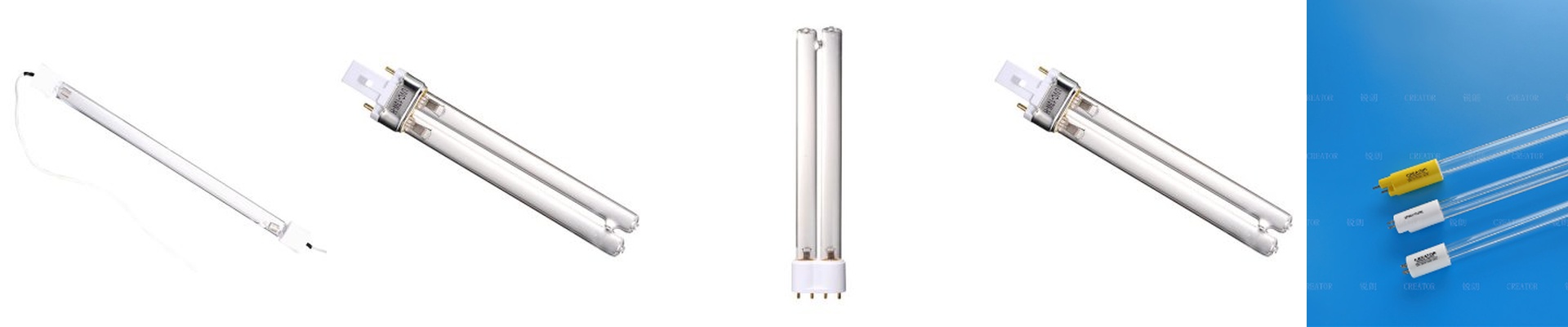
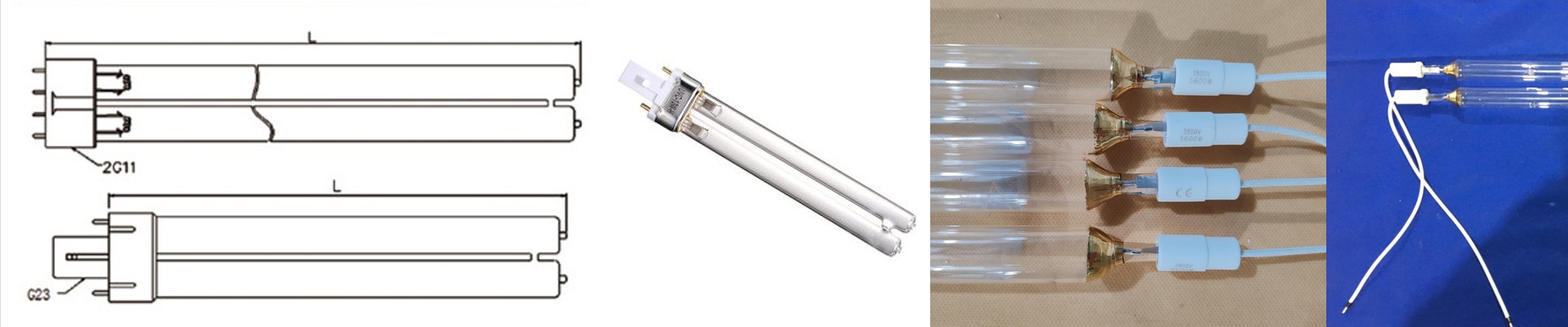
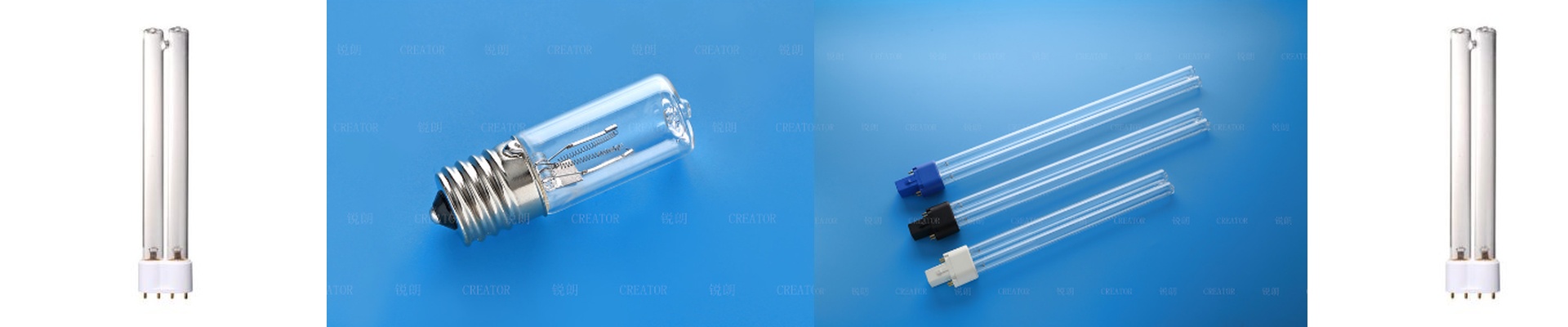
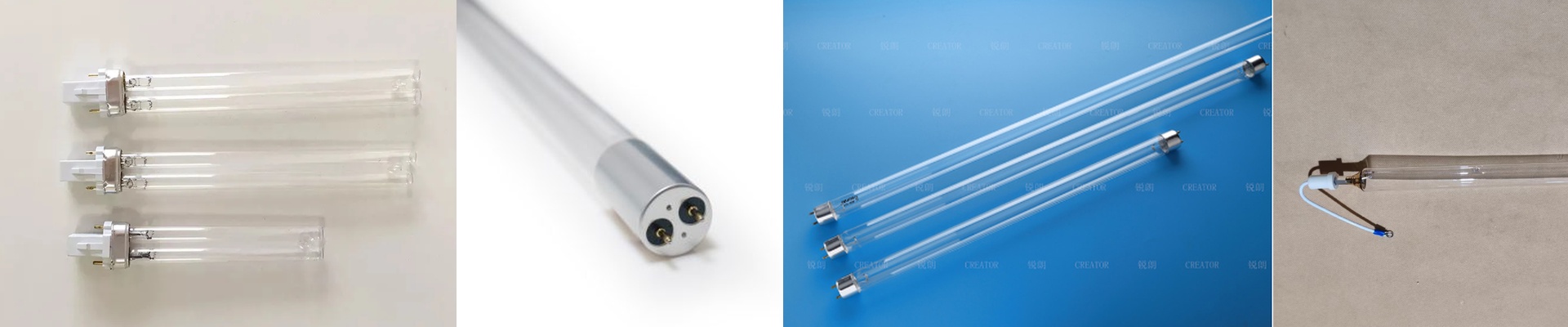
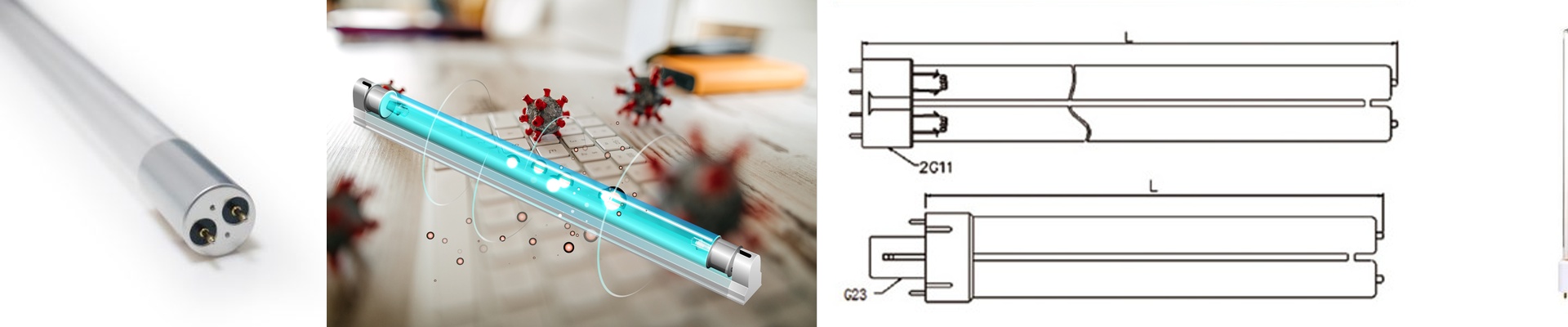
On a web press pushing 200 m/min, UV output stability isn’t a perk. It’s the difference between staying on color and watching the substrate start to ripple. When the lamp starts to drift, cross-linking falls apart, the ink stays tacky, and the scrap pile grows fast. We built our handheld UV curing lamp battery system to deliver repeatable spectral output at line speed, with the freedom to spot-cure, rework, or add auxiliary cure points—without locking the press into a fixed station. What matters under the hood We match the photoinitiator window with a stable, ozone-free spectral profile, typically centered at 365 nm. That wavelength gives you deep penetration into pigmented inks and thick coatings. Peak irradiance is tuned so the flux hits the bottom of the wet film before the web leaves the dwell zone. That gets you a full cure, not a skin that cracks later. The battery pack is sized to hold intensity without droop, so mJ/cm² stays consistent across a full shift. Reflector geometry and dichroic coatings keep heat and stray emission in check, protecting the substrate and preserving lamp life. Why it works at line speed At 200 m/min, the dwell window is short and unforgiving. This handheld unit holds the energy density you need so the ink cures through, even on heavy coverage and heat-sensitive films. The payoff is fewer off-spec sheets, quicker makereadies, and less downtime chasing tack. The battery platform also lets you step in fast at the folder, the die-cut, or the coating head—places where a fixed lamp can turn into a bottleneck. The practical details Match the lamp spectrum to your ink chemistry. If the match is off, you’ll see uncured base no matter how much power you throw at it. Check the battery connector and mounting interface against your press layout, and set aside time for operator training on exposure distance and sweep speed. Higher-capacity packs add a bit of weight—plan for ergonomics if the unit spends hours in hand.