Making Your UV Lamps Actually Last
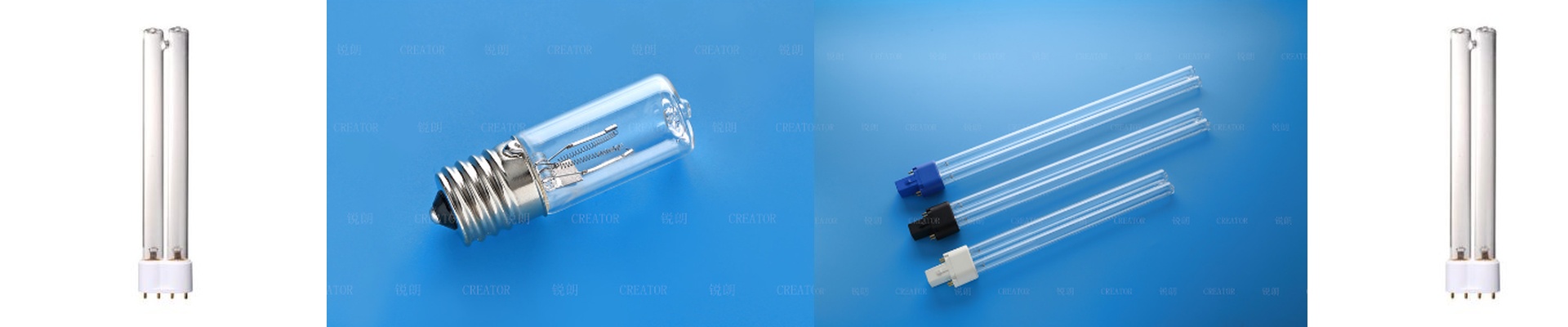
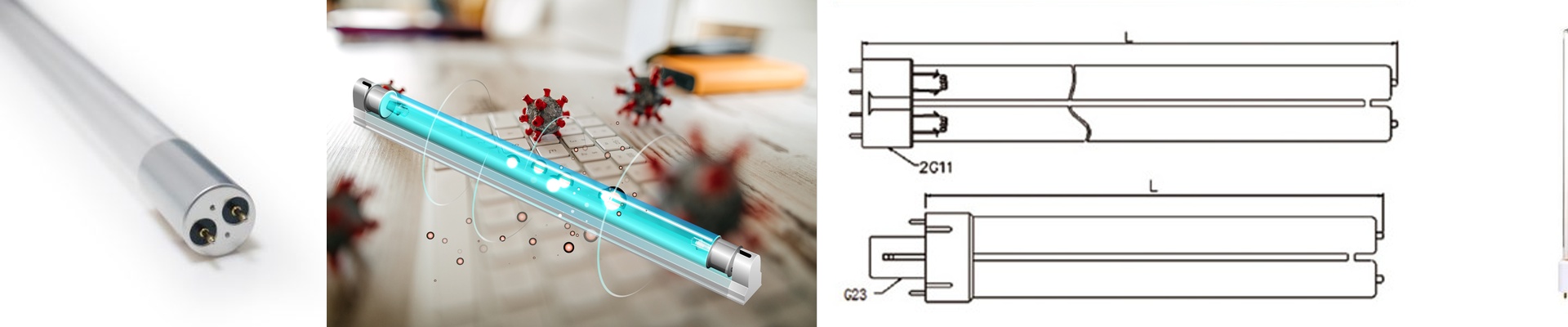
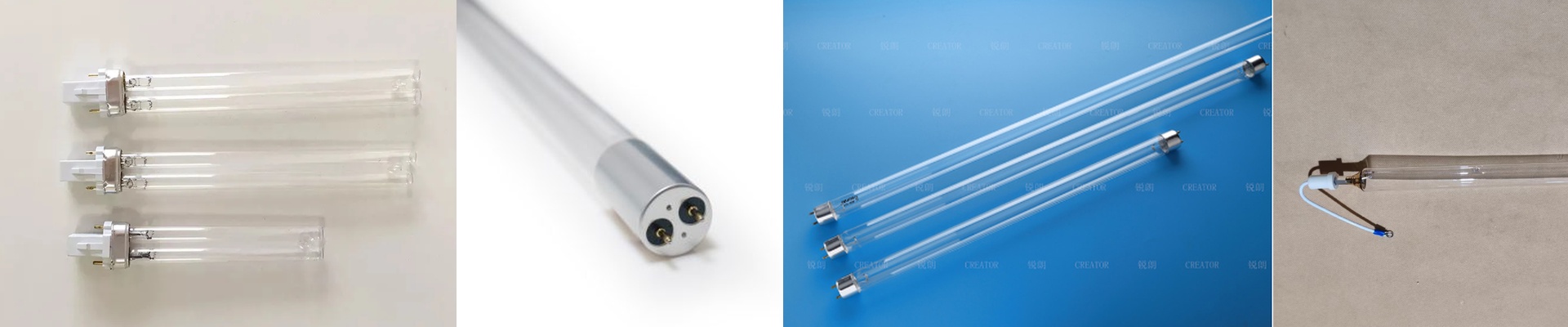
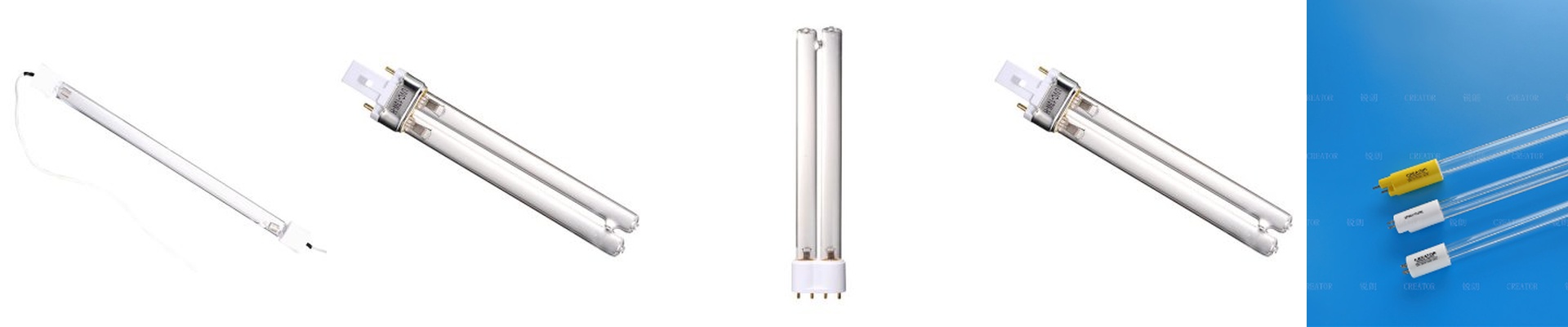
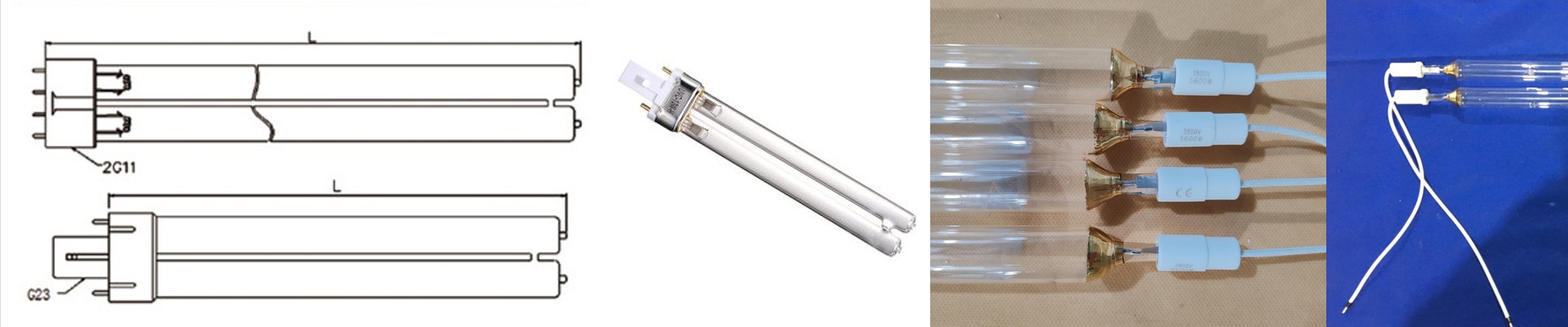
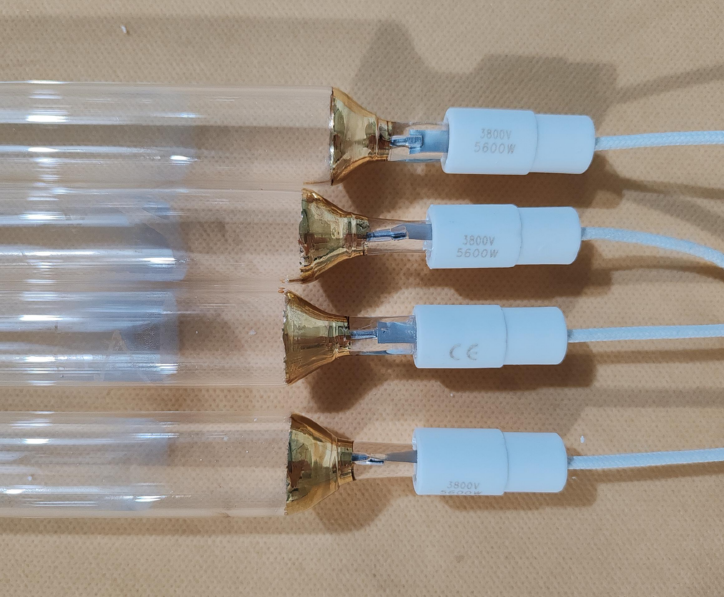
When we build mercury UV curing tubes for our partners, we don’t just chase raw power. Anyone can make a lamp that’s bright for an hour. The real trick is keeping that light steady and strong over thousands of hours of hard work.
Why some tubes just quit
It mostly comes down to the glass and the gas. You’ve probably seen “solarization”—that annoying clouding that happens to the glass over time. It happens because the UV radiation literally beats up the silica structure of the tube. To stop that, we use high-transmittance fused quartz. If you use cheap glass, your UV output will tank even if the lamp looks like it’s running fine. Then there’s the “dark ring” problem. That happens because of sputtering, where metal bits from the electrodes migrate and stick to the tube wall, blocking the light. We use thoriated tungsten for the electrodes to keep that from happening. It’s a small detail, but it’s how we get these lamps to outlast the usual industry standards.
The trade-offs you need to know
Since we do OEM work, you can pretty much pick the wattage and size that fits your machine. You tell us the length and diameter, and we make it fit your reflectors. But here’s the thing: physics doesn’t take a day off. If you squeeze a ton of wattage into a short tube, you’re creating a heat bomb. That puts a massive amount of stress on the end caps and the seals. If you go for a high-output build, you’ve got to make sure your fans or water jackets are actually pulling that heat away. Otherwise, the lamp will burn out early, no matter how fancy the glass is.
We build it, you brand it
We handle the gritty technical stuff—the voltage, the current, and the tight tolerances. You get a drop-in replacement that just works. That way, you can stop worrying about the hardware and spend your time focusing on your customers.