Getting Your UV Cure Exactly Right
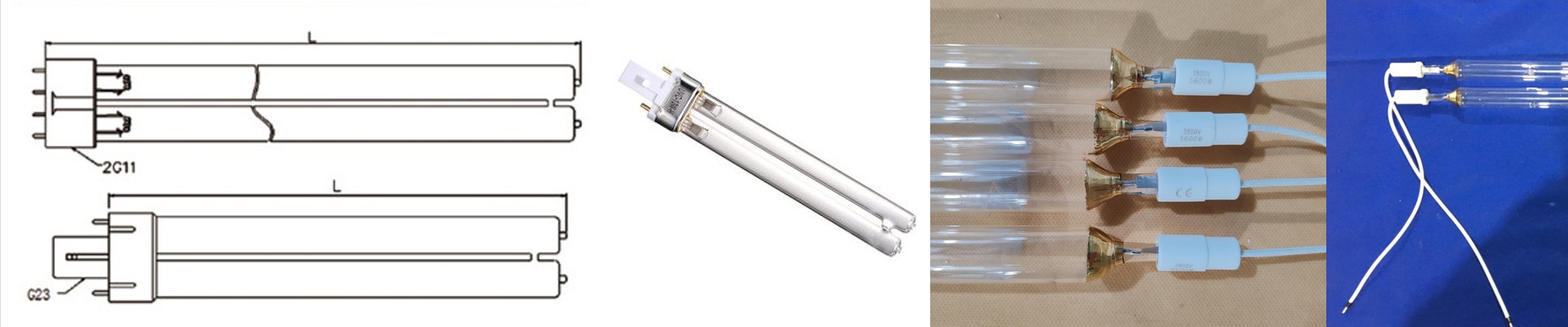
If you’ve ever run a high-speed production line, you know the nightmare of a “tacky” finish. You think the job is done, but the surface just isn’t fully cured. Usually, it comes down to a tiny detail: a 0.5% shift in spectral energy. It sounds like a rounding error, but in the world of industrial coatings, it’s the difference between a perfect product and a pile of scrap. The secret is in the arc. Most off-the-shelf bulbs throw out a broad, messy spectrum of light. We do things differently. We obsess over the mercury purity and the internal gas pressure. Why? Because if that pressure is even slightly off, the emission lines broaden. We call this “spectral leakage.” Basically, you’re paying for energy that just vanishes into wavelengths your ink or resin can’t even use. We tighten those tolerances so the peak energy hits the exact spot your chemistry needs. It’s about putting the power where it actually does the work. A word of caution on heat. To keep that light pure, we use high-purity fused quartz. It keeps the glass from soaking up the UV rays. But there’s a trade-off: pushing for that kind of energy concentration creates a lot of heat. Check your cooling blowers. Seriously. If the tube runs too hot, the quartz can “solarize.” The glass gets cloudy, your UV output tanks, and you’re back to square one. Making it work in your shop. The good news is these are drop-in replacements. You don’t need to rebuild your system. We’ve tweaked the electrode geometry to stop those annoying premature burn-outs at the ends of the lamp. You’ll notice the light is more uniform across the web, which means you can stop slowing down your conveyor just to fix “cold spots.” One last tip: keep an eye on your ballast settings. Sure, over-driving the lamp will hit your cure targets faster, but you’ll burn through the bulb way too quickly. Find that sweet spot and you’re golden.