Getting Your UV Production Right Without the Headaches
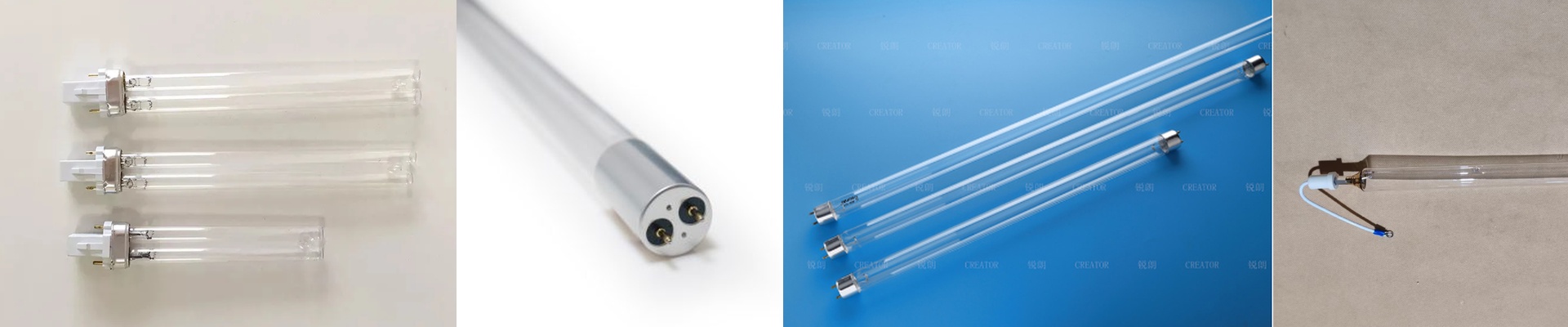
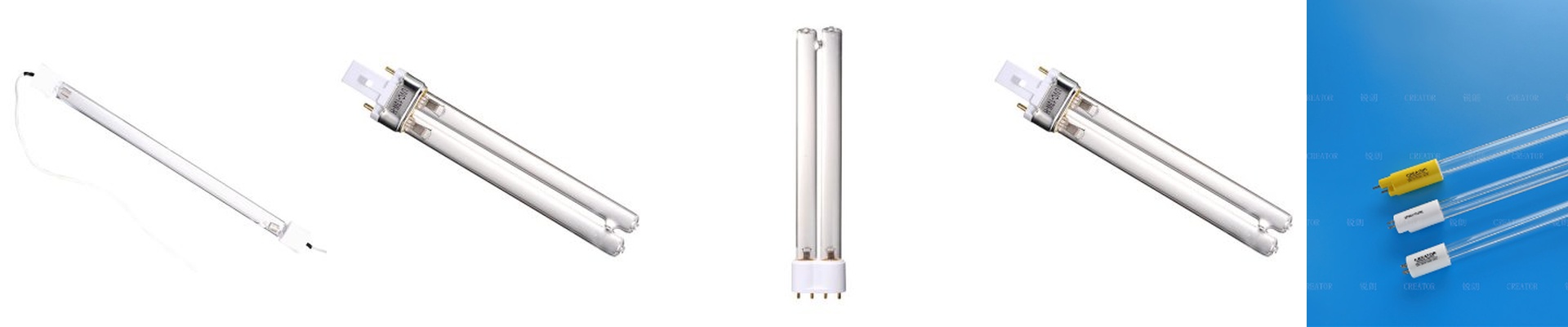
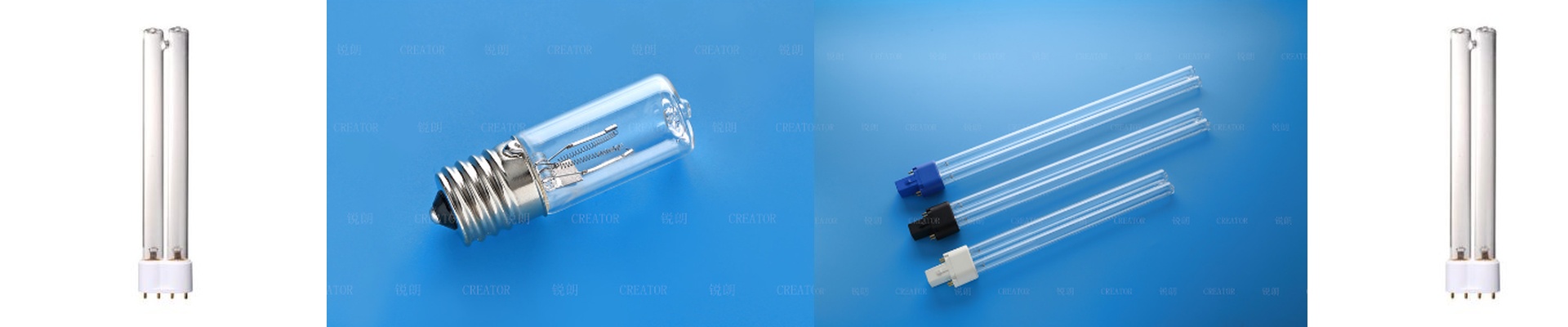
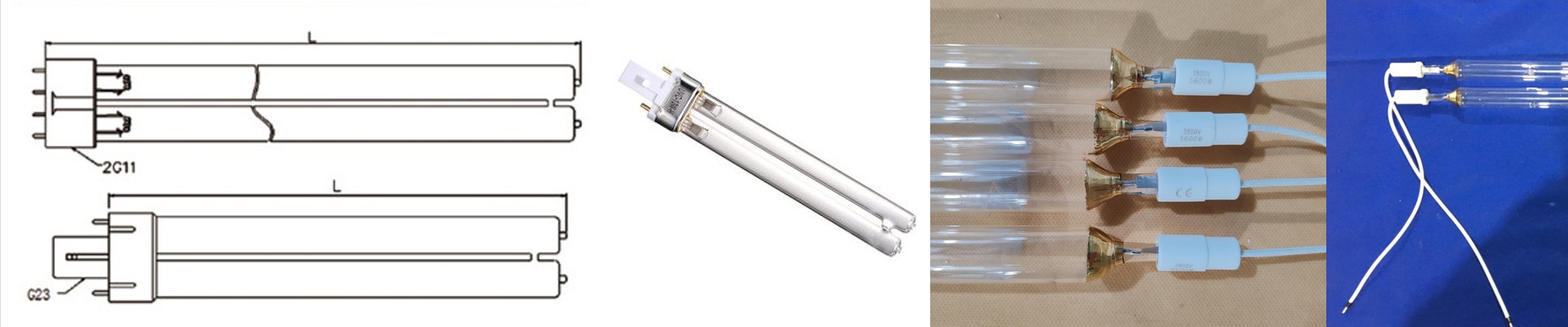
Let’s be honest: UV sterilization and curing can be a pain. Whether you’re trying to kill germs at 254nm or hardening polymers with UV-A/B, the whole thing relies on getting the wavelength exactly right. Most people buy their lamps from a middleman, which is why prices jump around for no reason. We do things differently. We handle everything—from smelting the raw quartz to the final assembly. It keeps things simple, and it keeps the costs steady. The deal with power and heat At the heart of every lamp is mercury vapor. We tweak the gas pressure and current to make sure you get the exact light intensity you need. If you’re running high-wattage tubes on a fast conveyor belt, you’re getting a ton of power. But there’s a catch: they gethot. Really hot. Make sure your housing has plenty of airflow. If the lamp overheats, the vapor pressure shifts, and your UV output just tanks. It’s that simple. Better glass, fewer breaks We use high-purity fused quartz because standard glass tends to soak up the UV light instead of letting it out. That defeats the whole purpose. For the curing crowd, we can add doped coatings to shift the spectral peak. This is great if you’re working with thick adhesives and need the light to actually sink deep into the material. And since industrial shops are tough on gear, we beef up the end-seals. No one wants to deal with a vacuum leak in the middle of a shift. Making it actually work in your shop Our lamps are designed to just… fit. We obsess over the pin tolerances and the glass diameter so they slide into your existing sockets without any forcing or stressing of the quartz. Because we control the raw materials, our electrodes don’t fail nearly as often. You get a steady, reliable output for the life of the lamp. The best part? You can stop messing with your curing timers every couple of weeks. Set it, forget it, and get back to work.