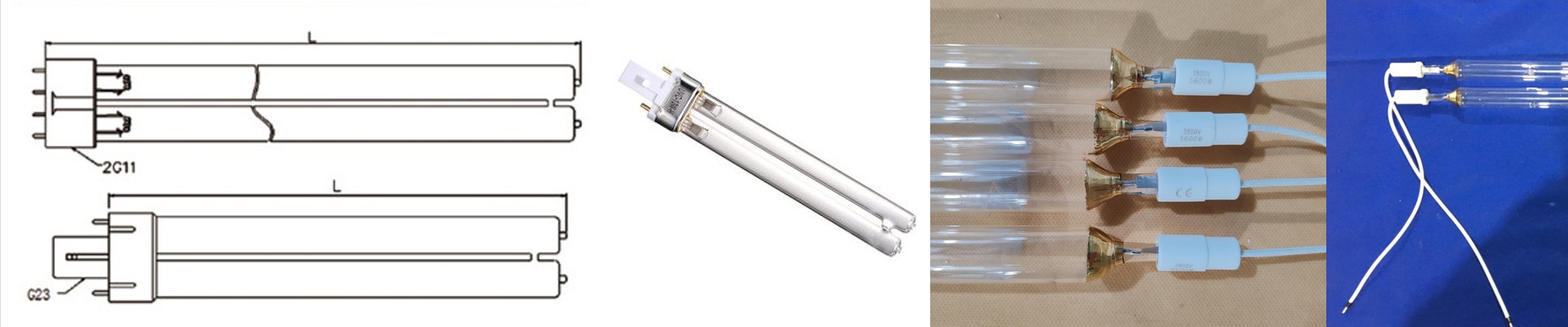

Dealing with Electrical Noise in Gallium Iodide UV Systems
Gallium iodide lamps have a very specific job: curing inks and coatings using precise spectral lines. But here’s the thing—printing floors are chaotic. When you’ve got several massive presses running in one bay, the air is basically thick with electromagnetic interference. It’s an electrical mess.
The headache of multi-lamp arrays
If you’ve ever seen UV lamps flicker or jump around, it’s usually because they’re sharing a power grid with giant servo motors and high-voltage drives. The ballast and the lamp arc are sensitive. They don’t like voltage spikes. When that noise creeps in, your curing becomes inconsistent. One minute it’s fine, the next you’ve got “wet” spots on your substrate. Or worse, the lamp just gives up entirely.
How we keep things steady
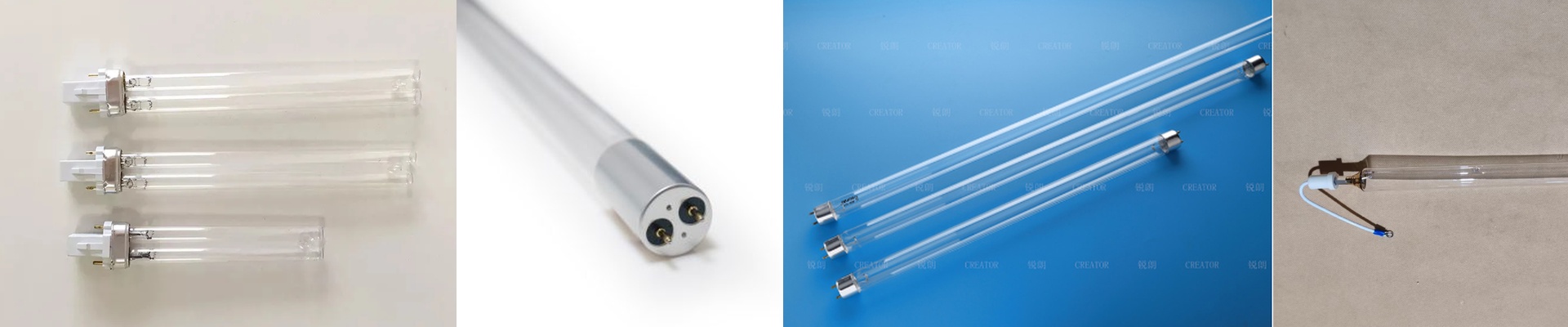
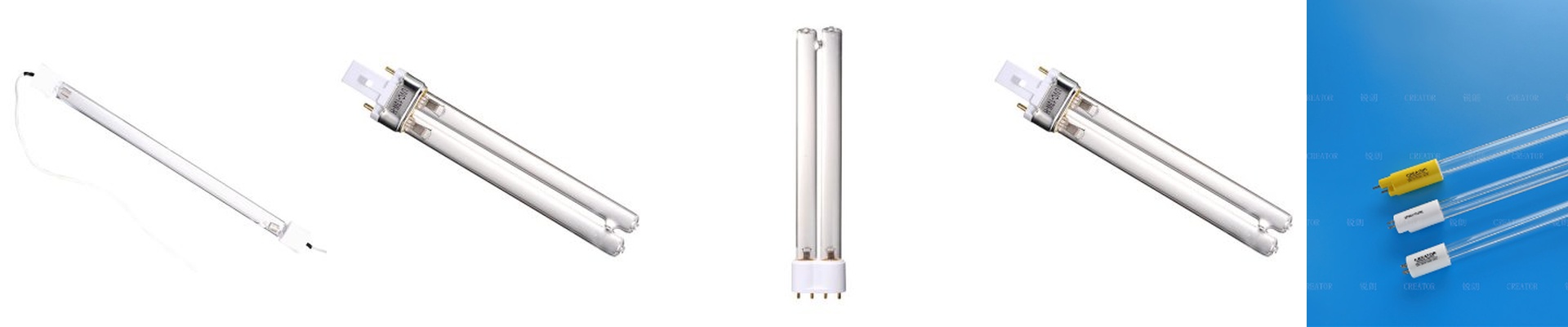
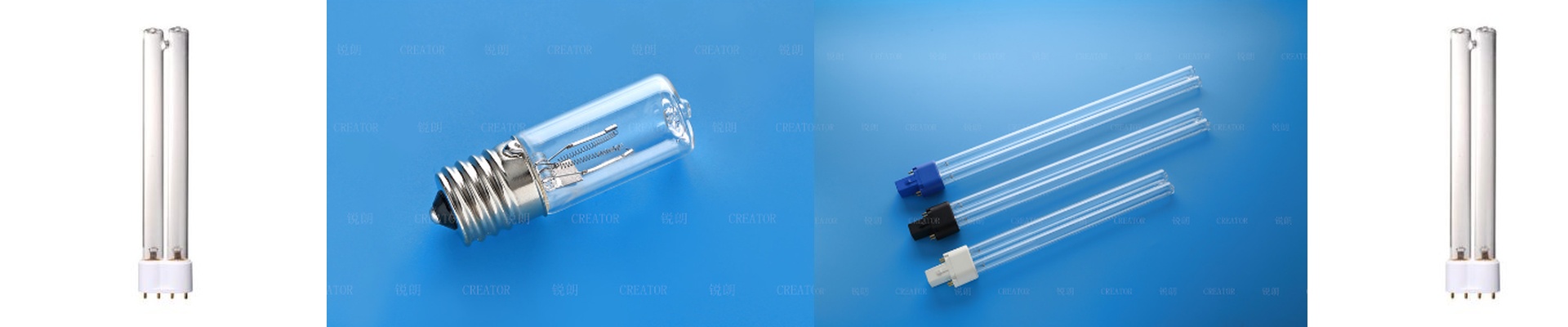
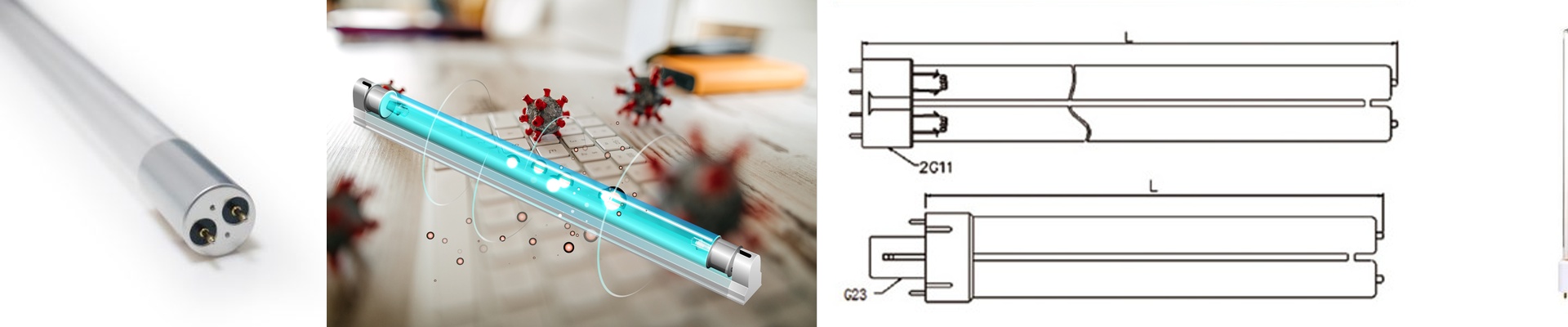
We don’t believe in flashy numbers; we believe in stability. To stop that flickering, we spent a lot of time on the internal electrode geometry and the purity of the gallium iodide fill. We also use high-grade quartz envelopes. All of this just means the lamp doesn’t “listen” to the electrical noise around it. Even when the machinery next to you is pulling a massive current load, the arc stays steady. The UV output stays flat. That’s how it should be.
Real world, shop-floor talk
These are drop-in replacements for your standard tubes. They’re built to take a beating in high-vibration environments without losing their spark. But a quick heads-up: our lamps are tough, but they aren’t magic. Your grounding has to be right. If your factory floor has poor grounding, no lamp on earth can cancel out that noise. Check your shielding before you wire these up—it’ll save your ballasts from burning out early. At the end of the day, you just want a consistent UV dose across the entire web, no matter how many presses are screaming in the background. We make sure that actually happens.